Birds of Samoa
A photographic journey through Samoa’s remarkable birdlife
Samoa is home to a remarkable diversity of birds, including nine endemic species found nowhere else on Earth. During my visits to Upolu, I have photographed a growing selection of its birdlife—from familiar Pacific species to birds unique to the Samoan islands—creating an expanding visual record of what makes this part of the Pacific so special.
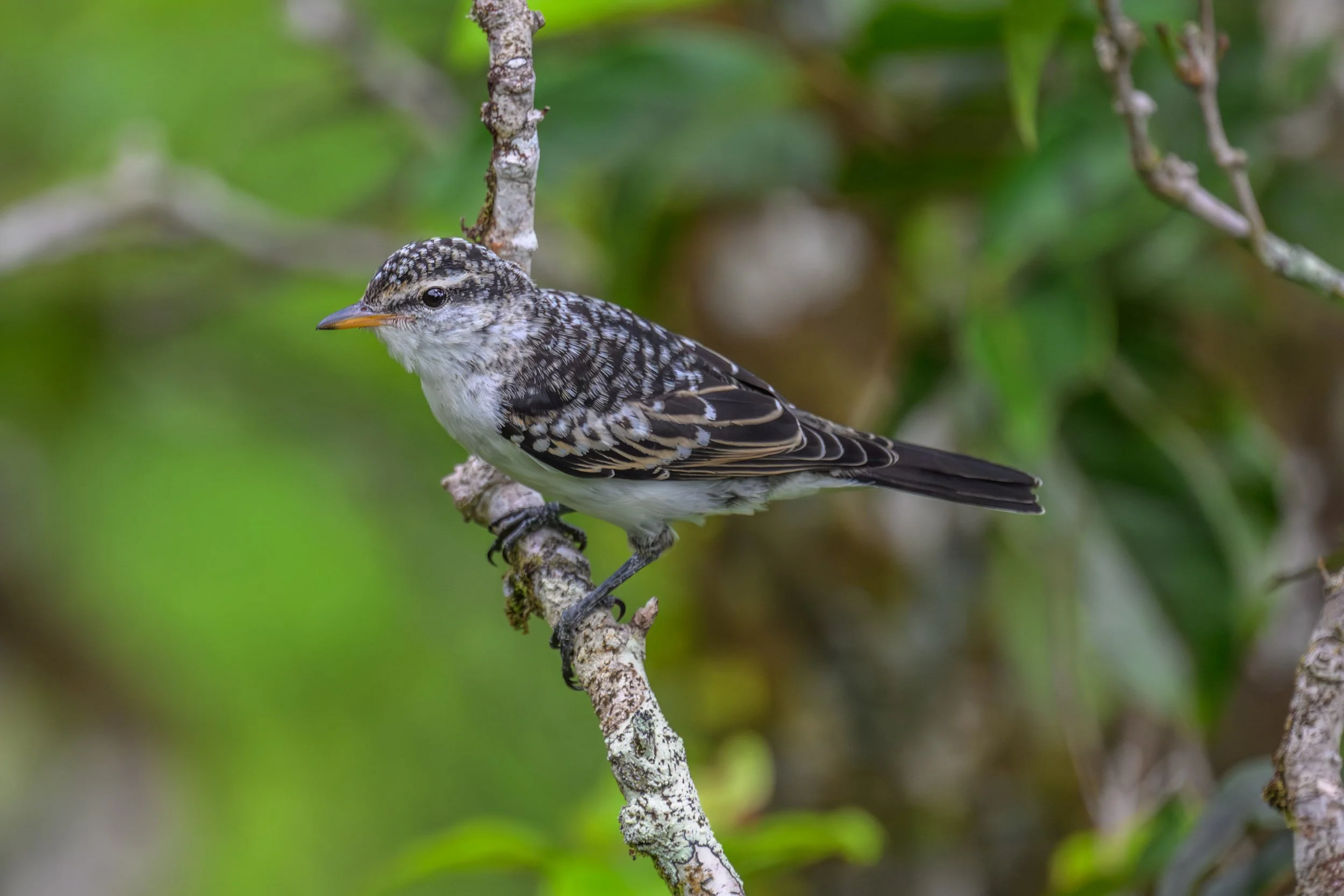
Polynesian Triller (Lalage maculosa) photographed on Upolu, Samoa.
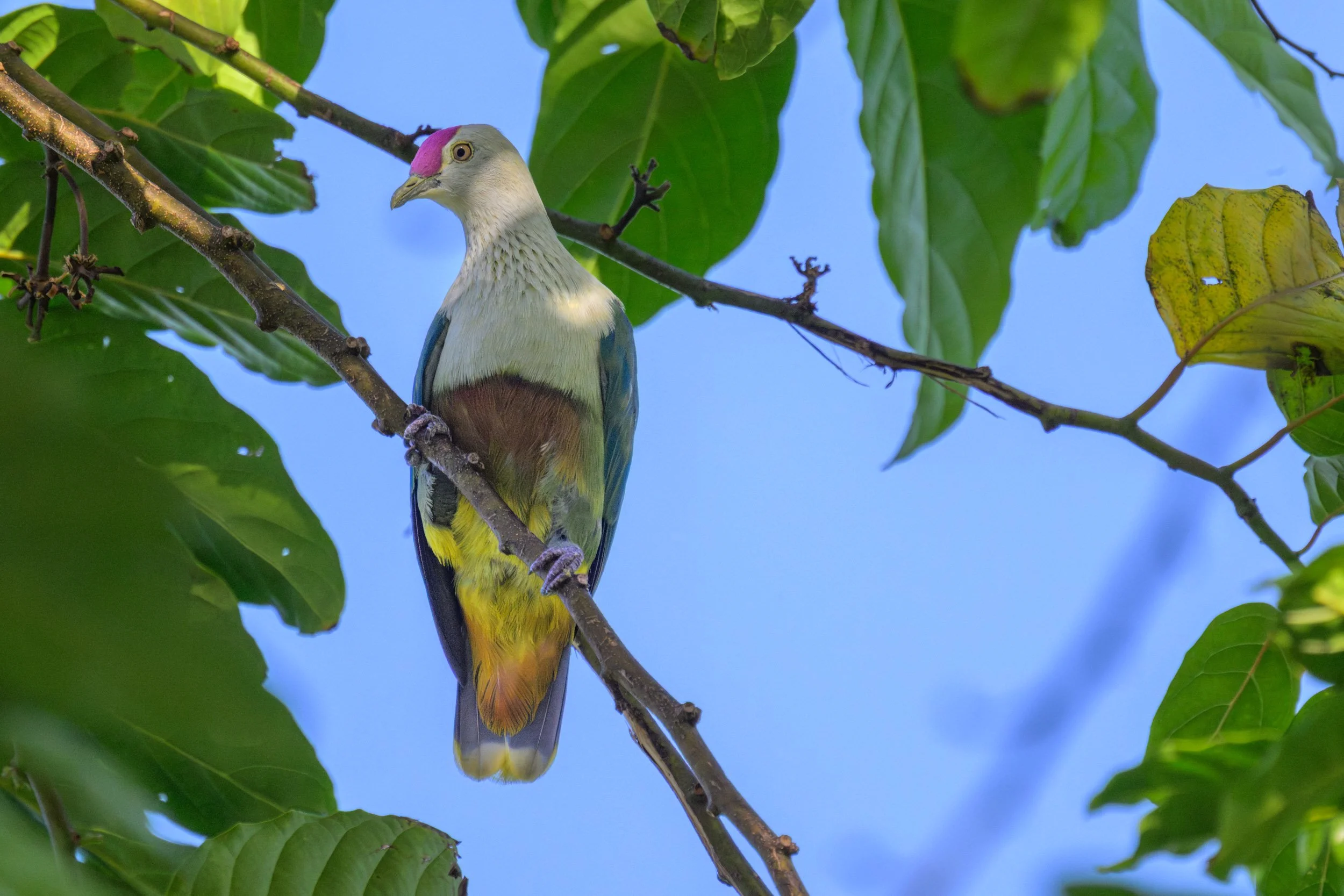
Crimson-crowned Fruit-Dove (Ptilinopus porphyraceus) photographed on Upolu, Samoa.
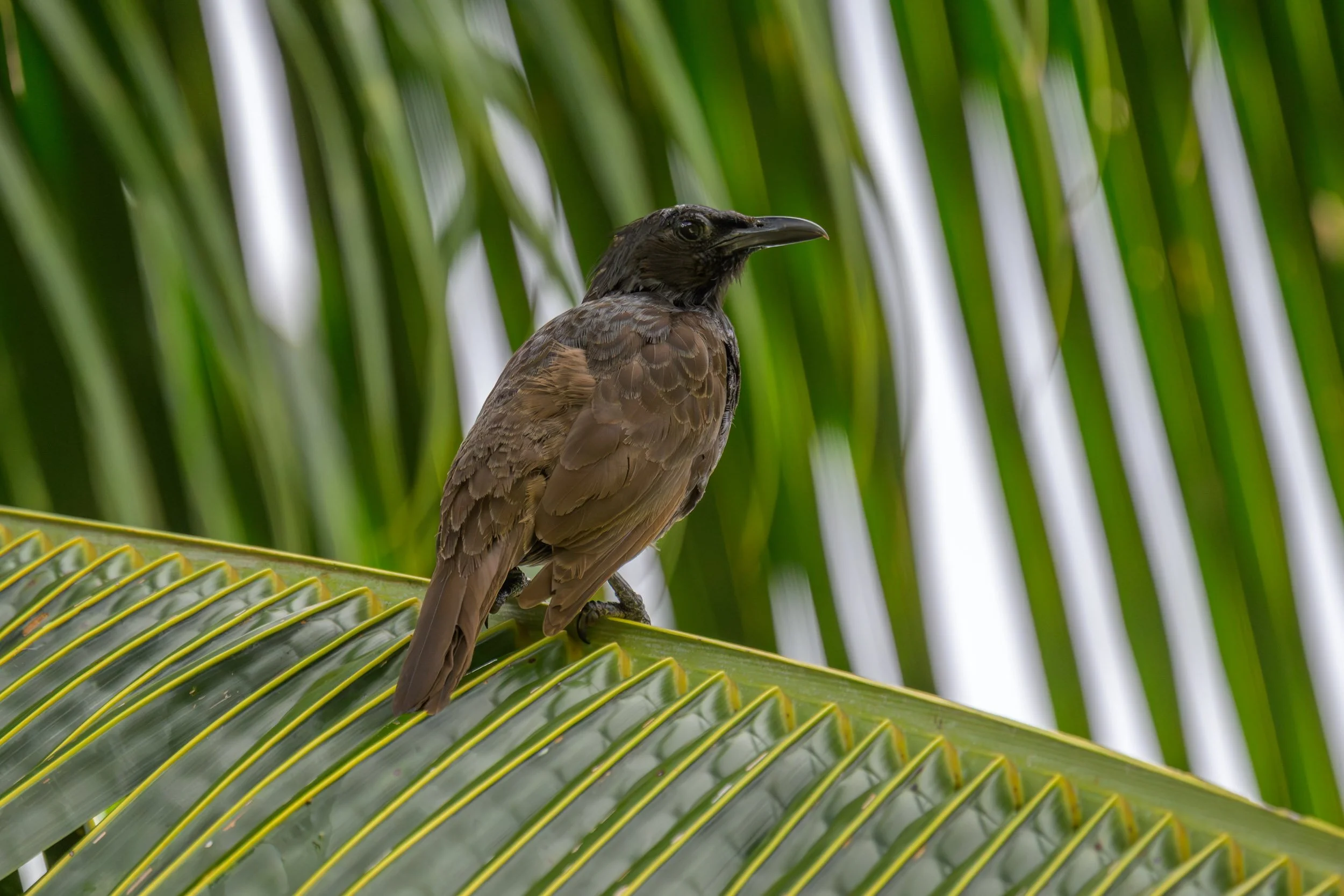
Samoan Starling (Aplonis atrifusca) photographed on Upolu, Samoa.
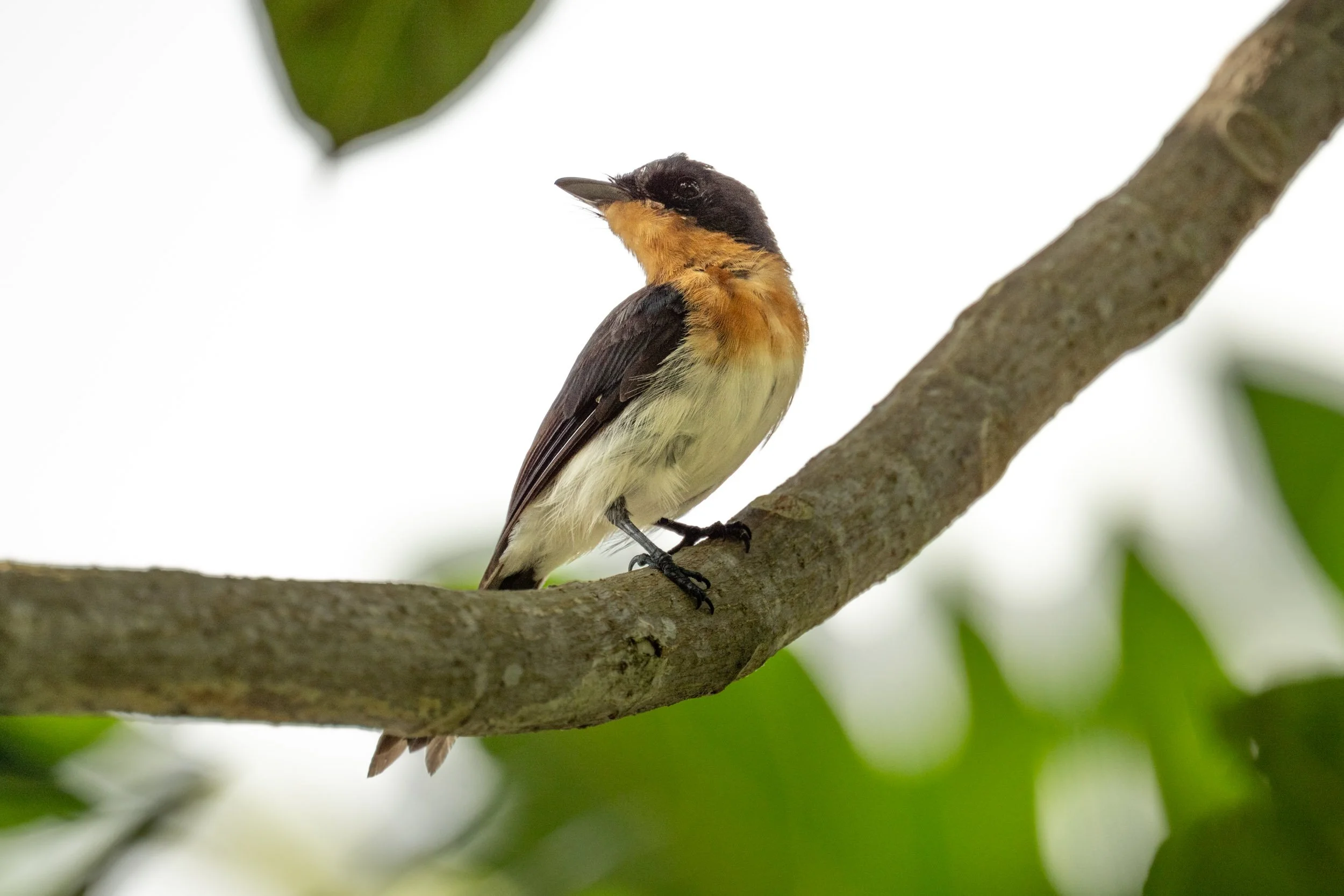
Samoan Flycatcher (Myiagra albiventris) photographed near Uafato Village on Upolu, Samoa.
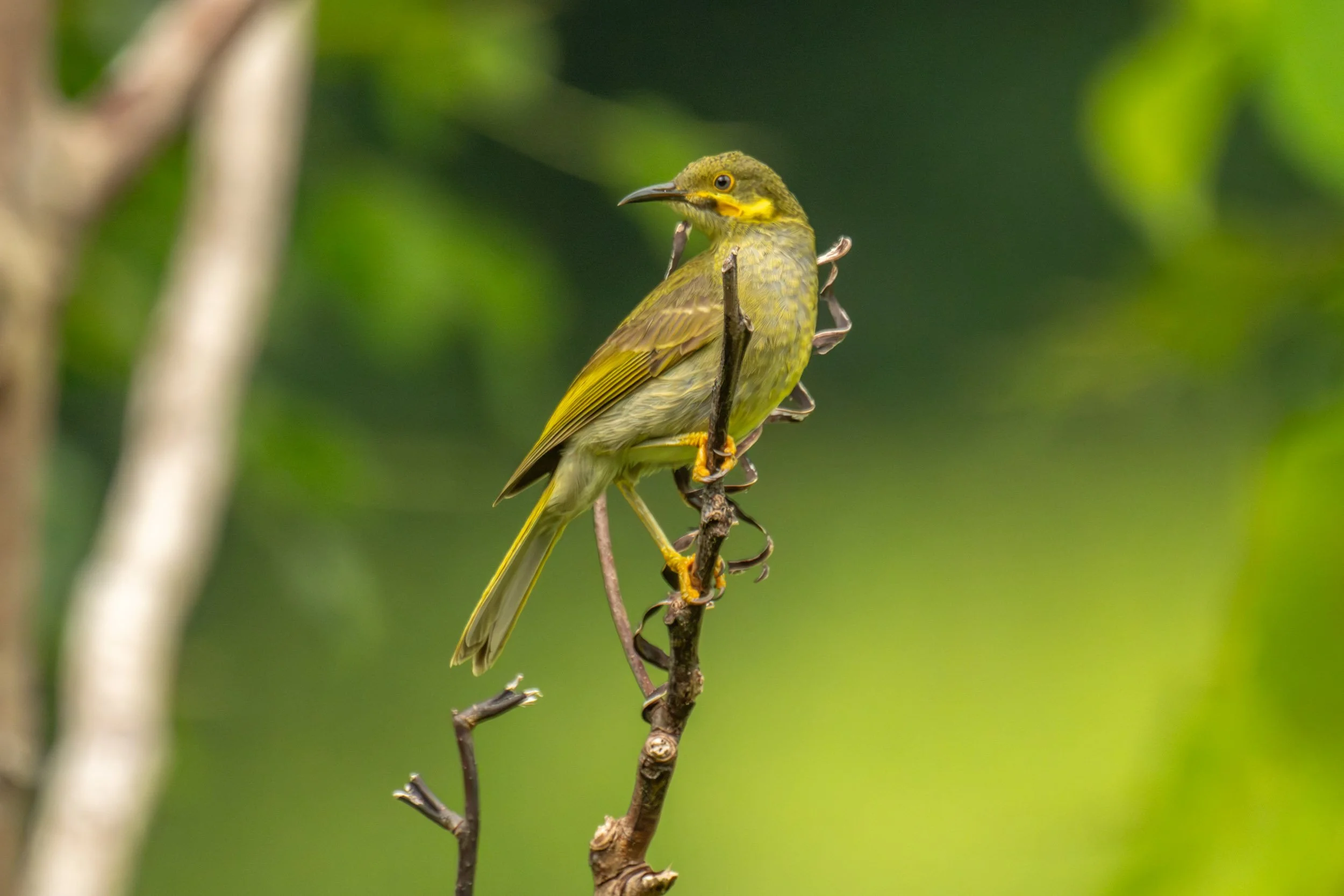
Polynesian Wattled Honeyeater (Foulehaio carunculatus) photographed near Uafato Village on Upolu, Samoa.
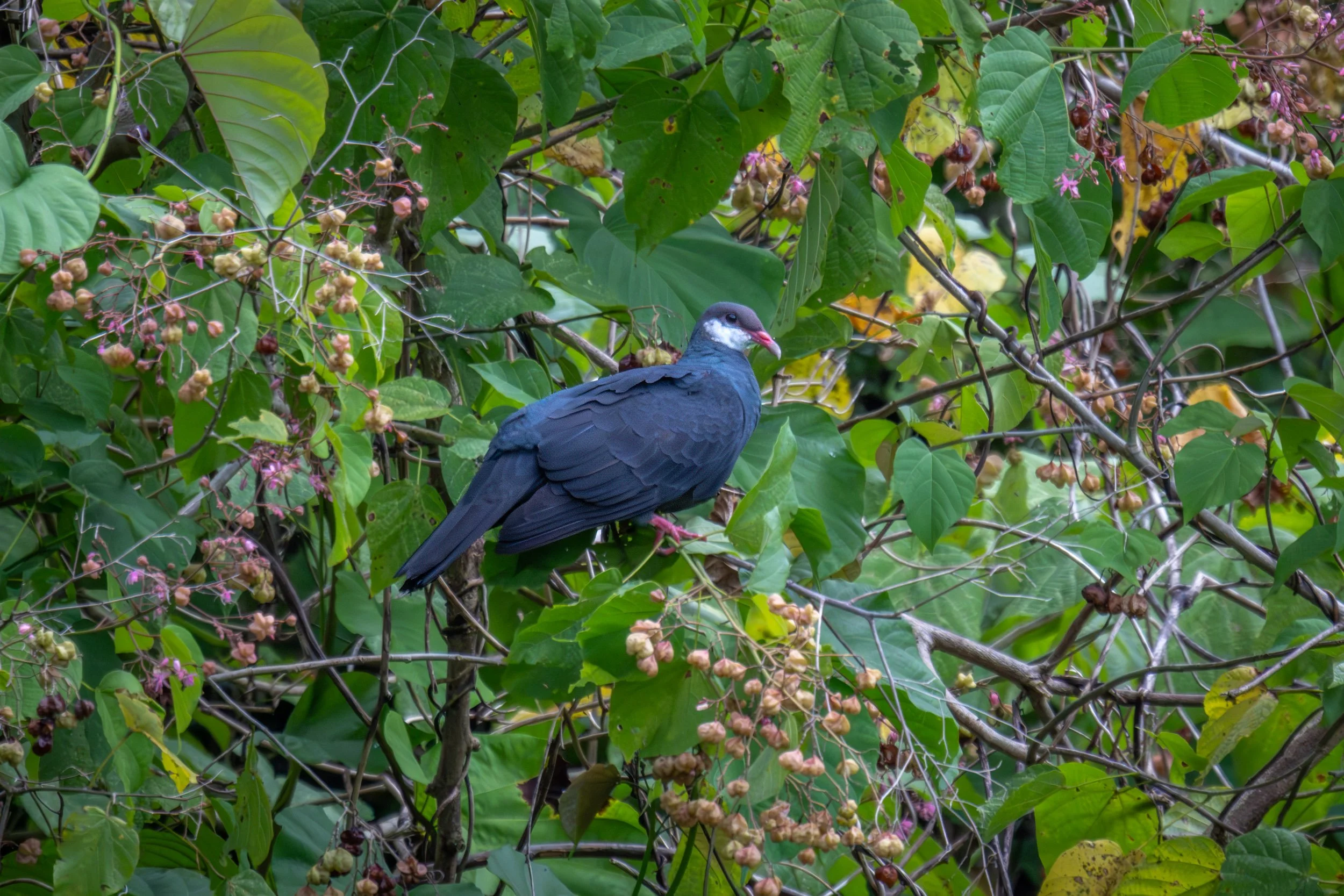
Metallic Pigeon of the Samoan subspecies (Columba vitiensis castaneiceps) photographed near Uafato Village on Upolu, Samoa.
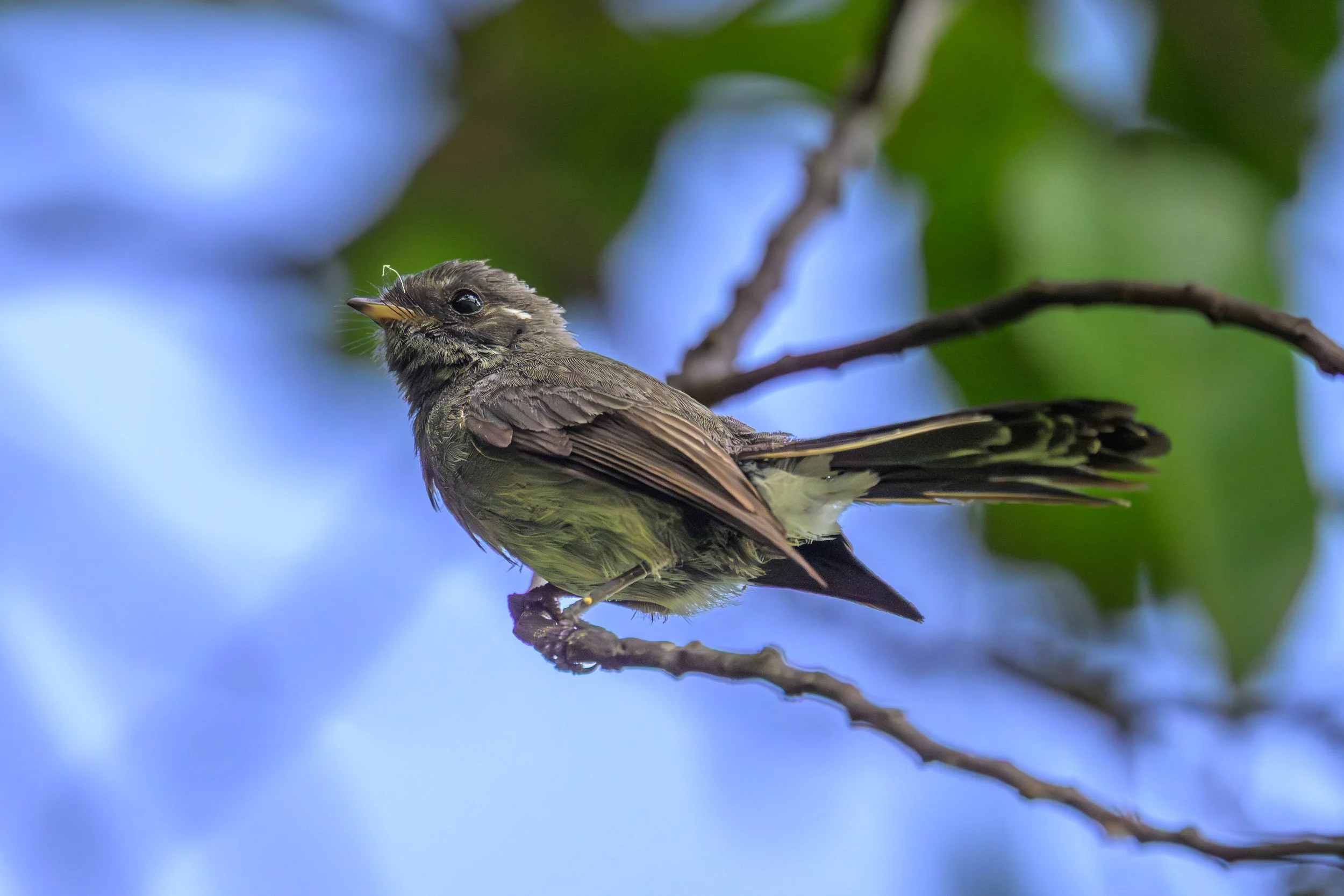
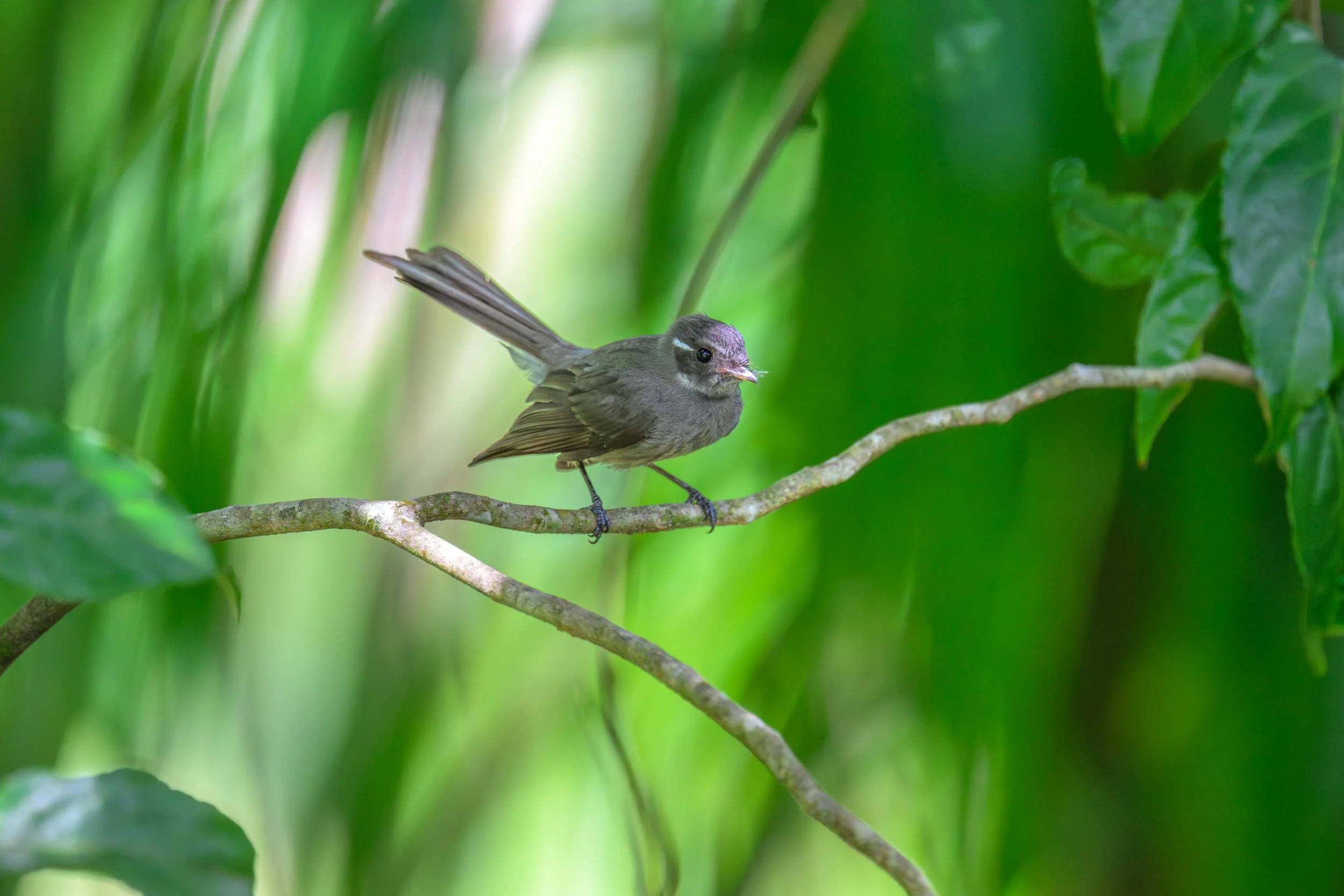
Samoan Fantail (Rhipidura nebulosa) sitting on a branch on Upolu, Samoa.
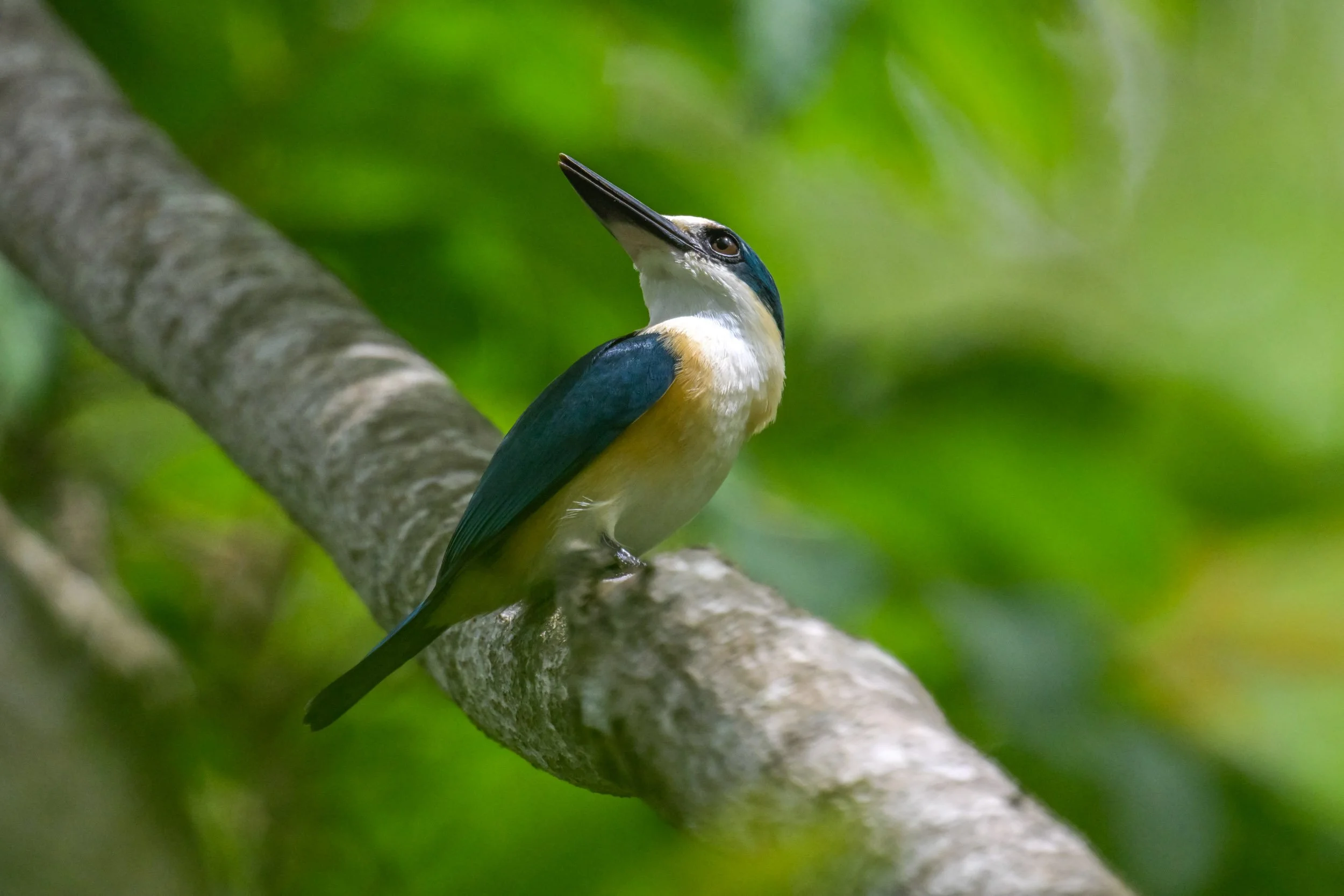
Flat-billed Kingfisher (Todiramphus recurvirostris) photographed on Upolu, Samoa.
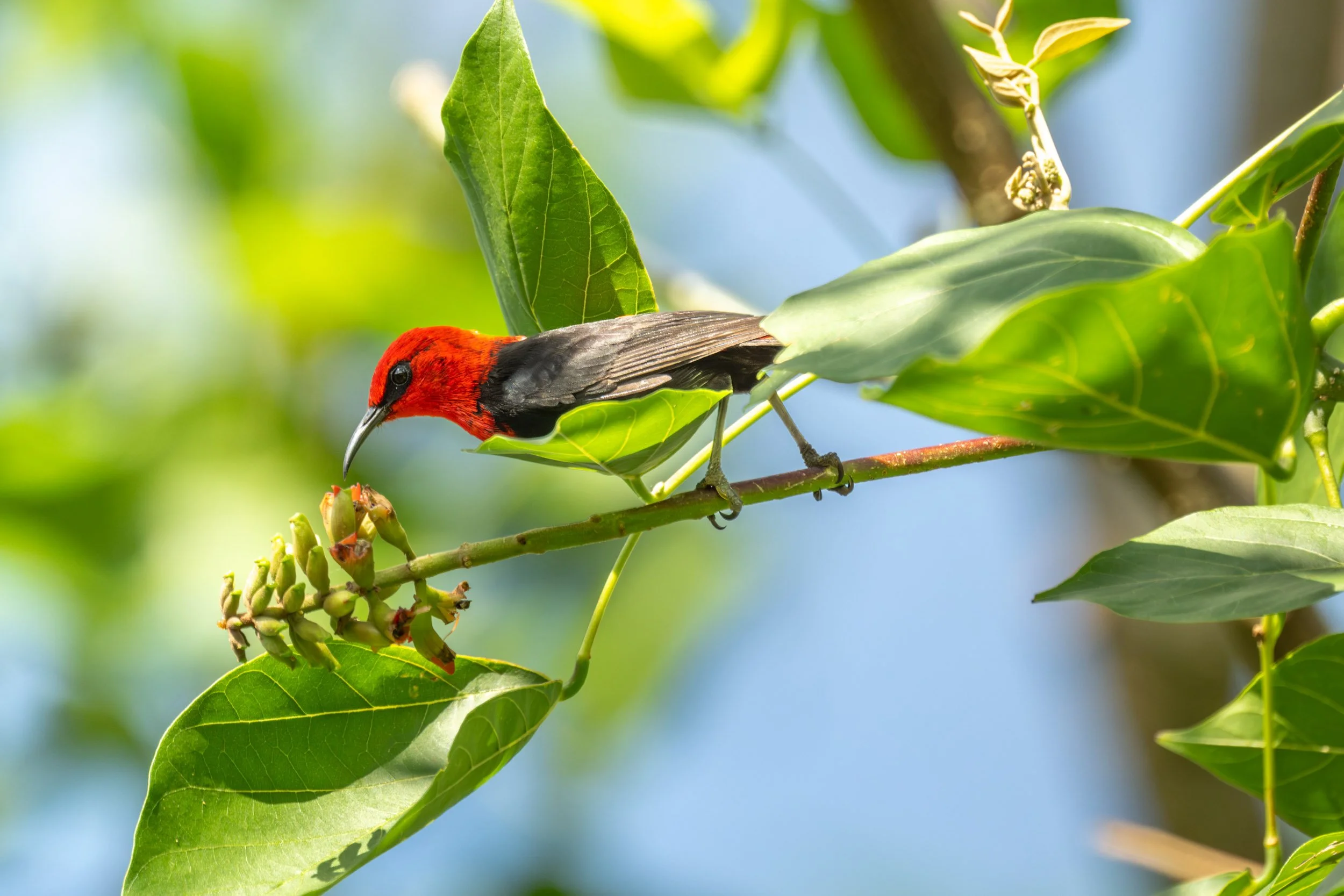
Samoan Myzomela (Myzomela nigriventris) photographed on Upolu, Samoa.
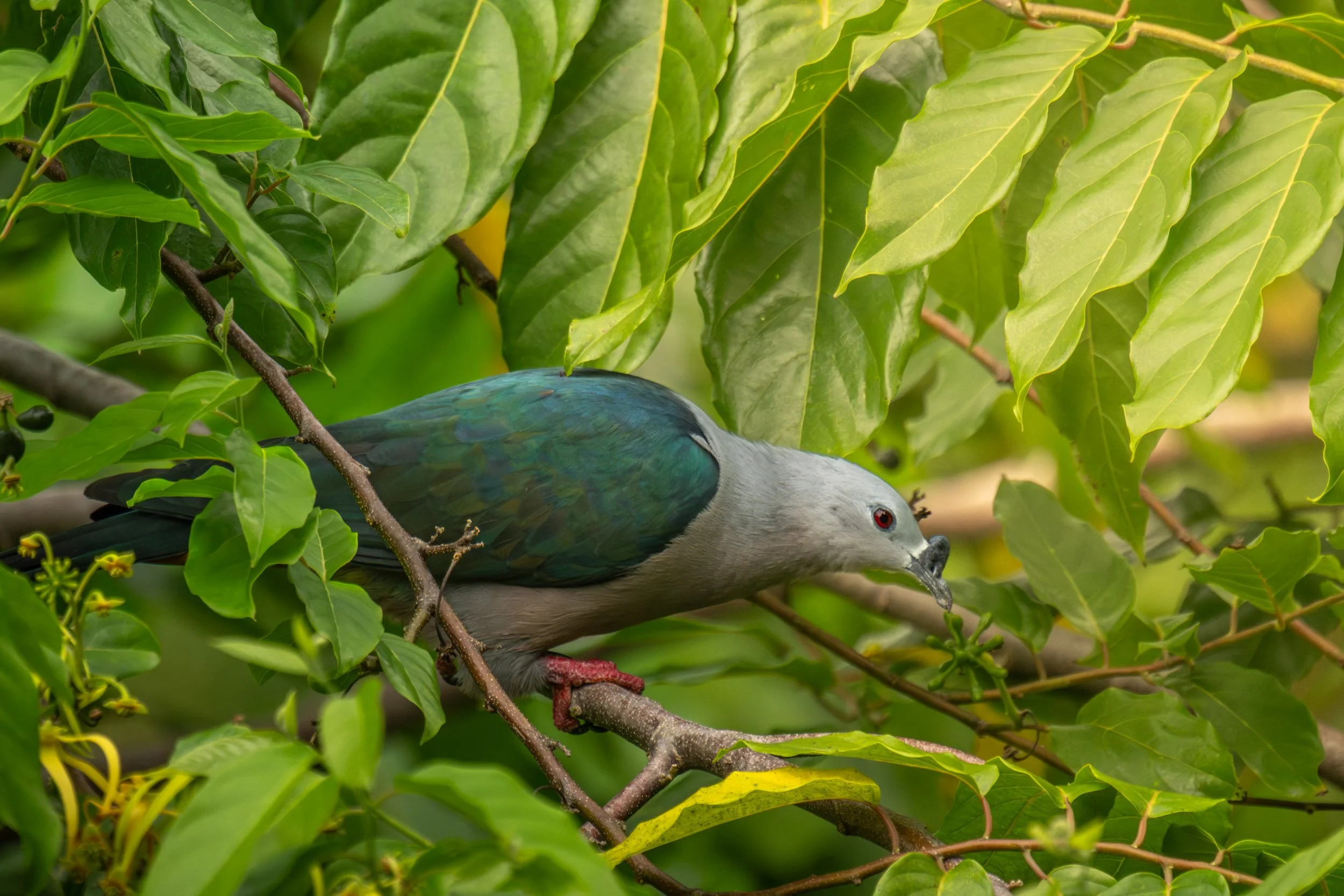
Pacific Imperial-Pigeon (Ducula pacifica) photographed near Uafato Village on Upolu, Samoa.
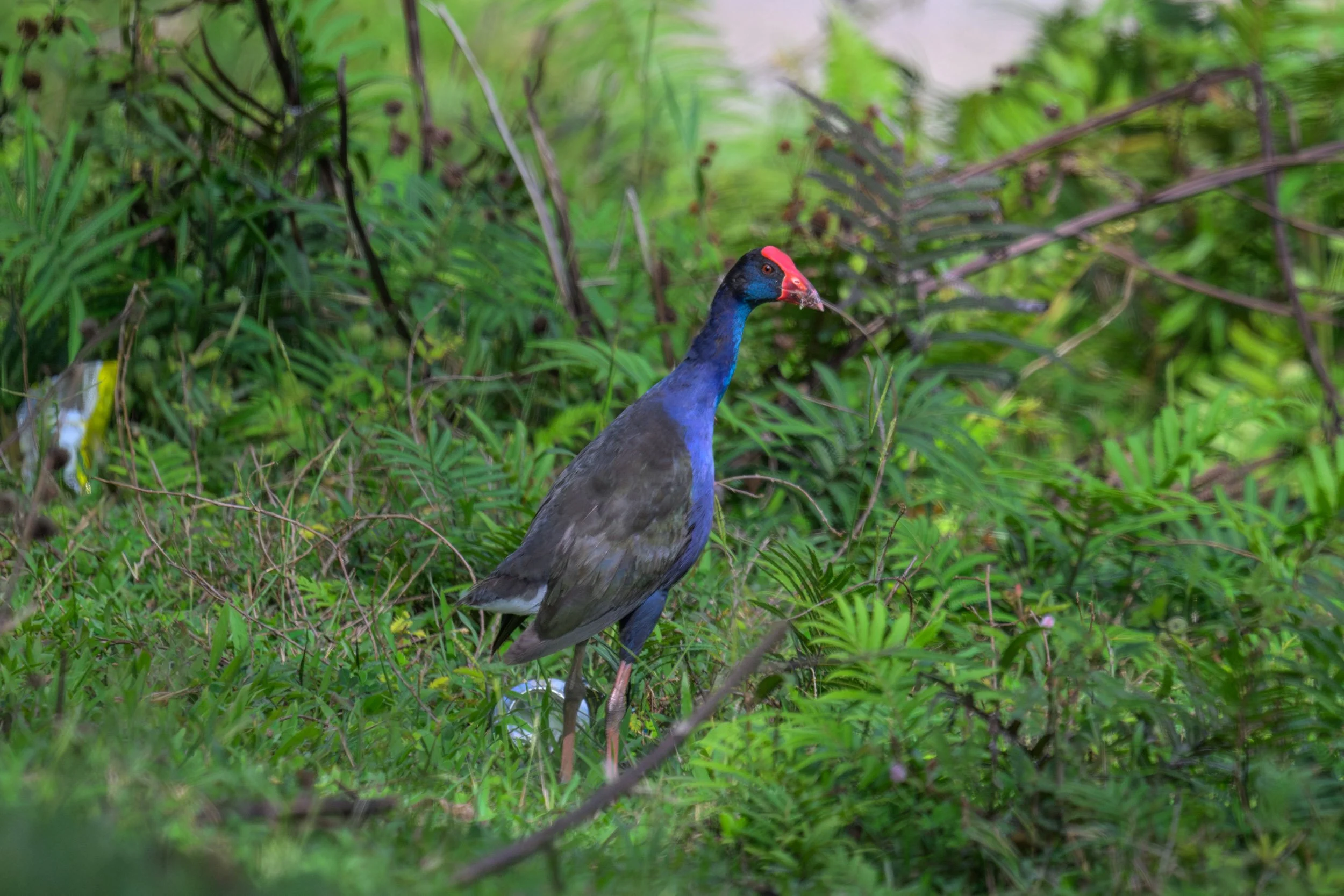
Purple Swamphen (Porphyrio porphyrio samoensis) photographed on Upolu, Samoa.
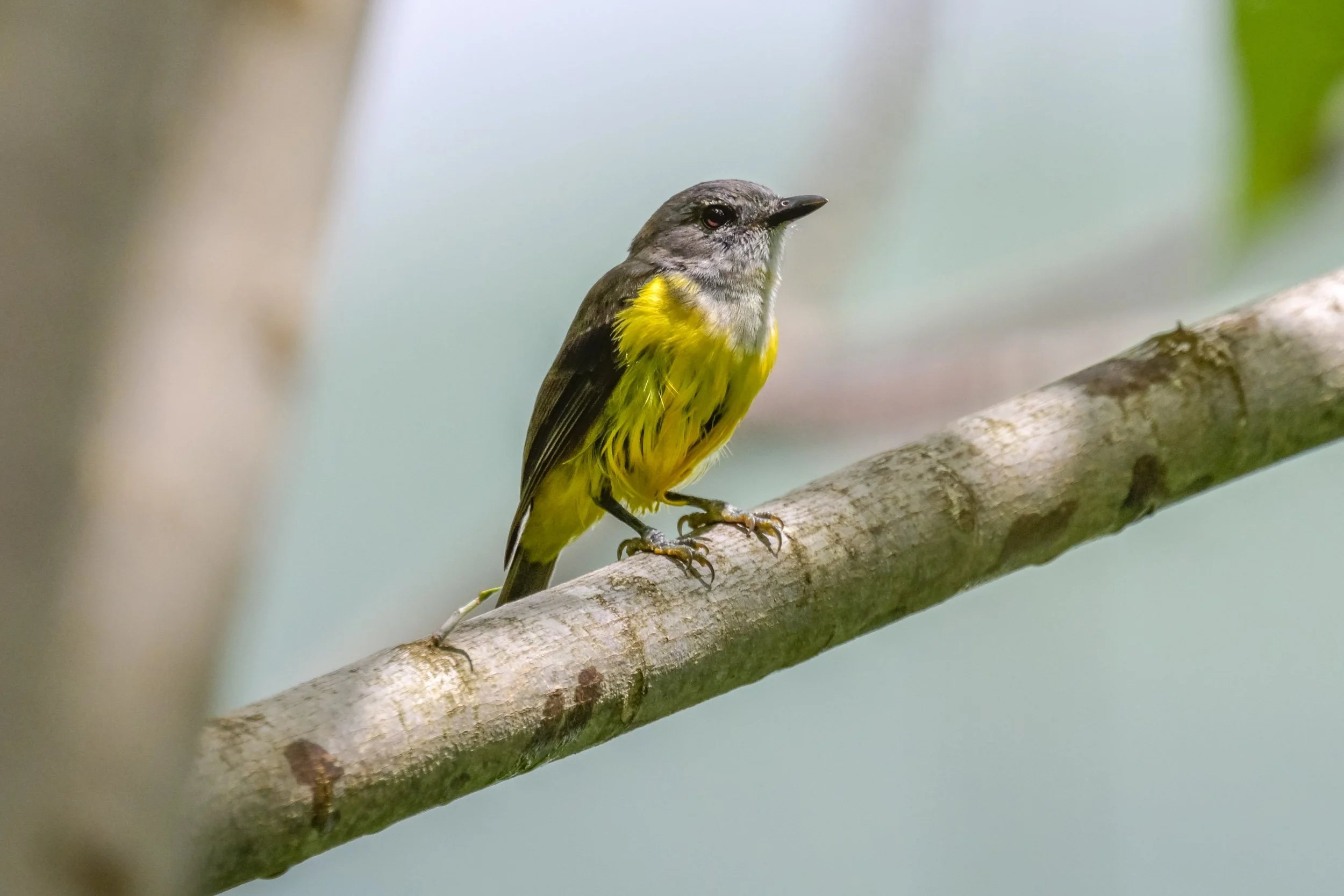
Samoan Whistler (Pachycephala flavifrons) photographed near Uafato Village on Upolu, Samoa.
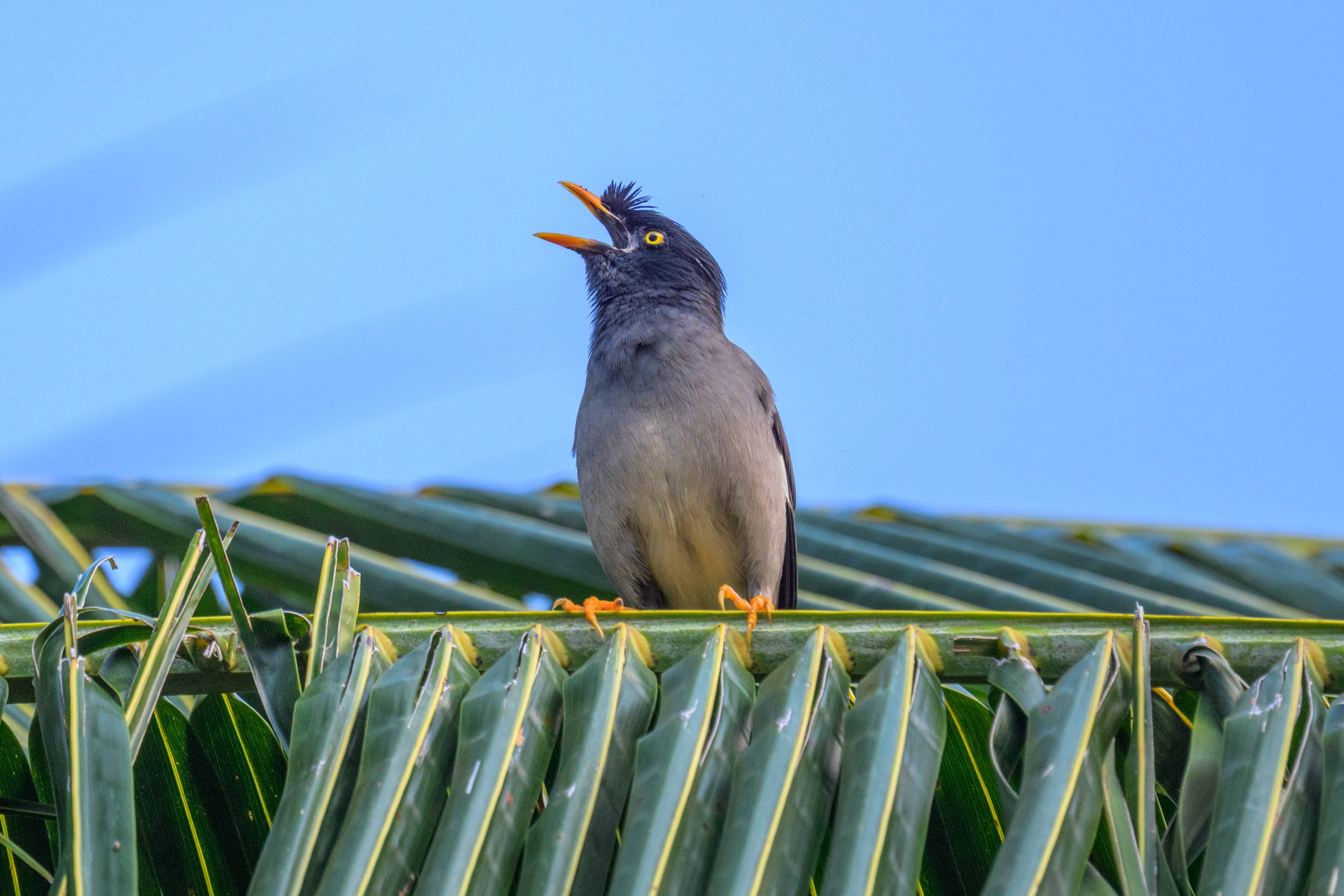
Jungle Myna (Acridotheres fuscus) photographed on Upolu, Samoa.
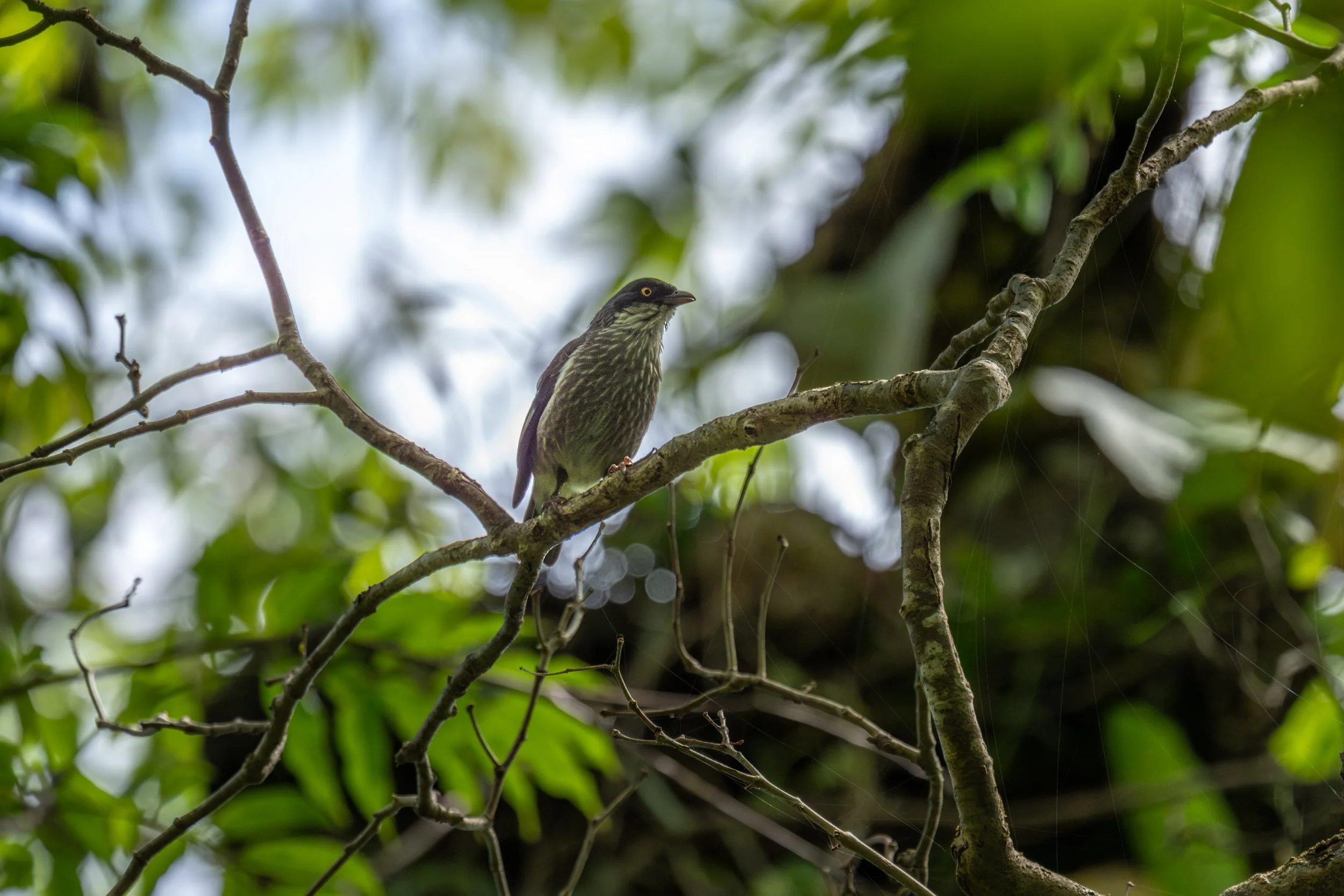
Polynesian Starling (Aplonis tabuensis) photographed on Upolu, Samoa.
Endemic Birds of Samoa
Samoa is home to nine endemic bird species—an exceptional concentration for a small Pacific island nation. Some occur across both Upolu and Savai‘i, while others have much more restricted ranges, reflecting the isolation and distinctive evolution of the islands’ birdlife.
All the photographs in this collection were taken on Upolu. The three endemics highlighted below—the Samoan Flycatcher, Samoan Fantail and Flat-billed Kingfisher—offer a glimpse into the island’s remarkable forest birdlife.
The Samoan Flycatcher (Myiagra albiventris) is another range-restricted endemic, occurring only on Upolu, Savai‘i and the small island of Nu‘utele. With its contrasting dark upperparts and pale belly, it often watches quietly from a perch before moving after insects. I photographed this individual in the forest near Uafato Village on Upolu.
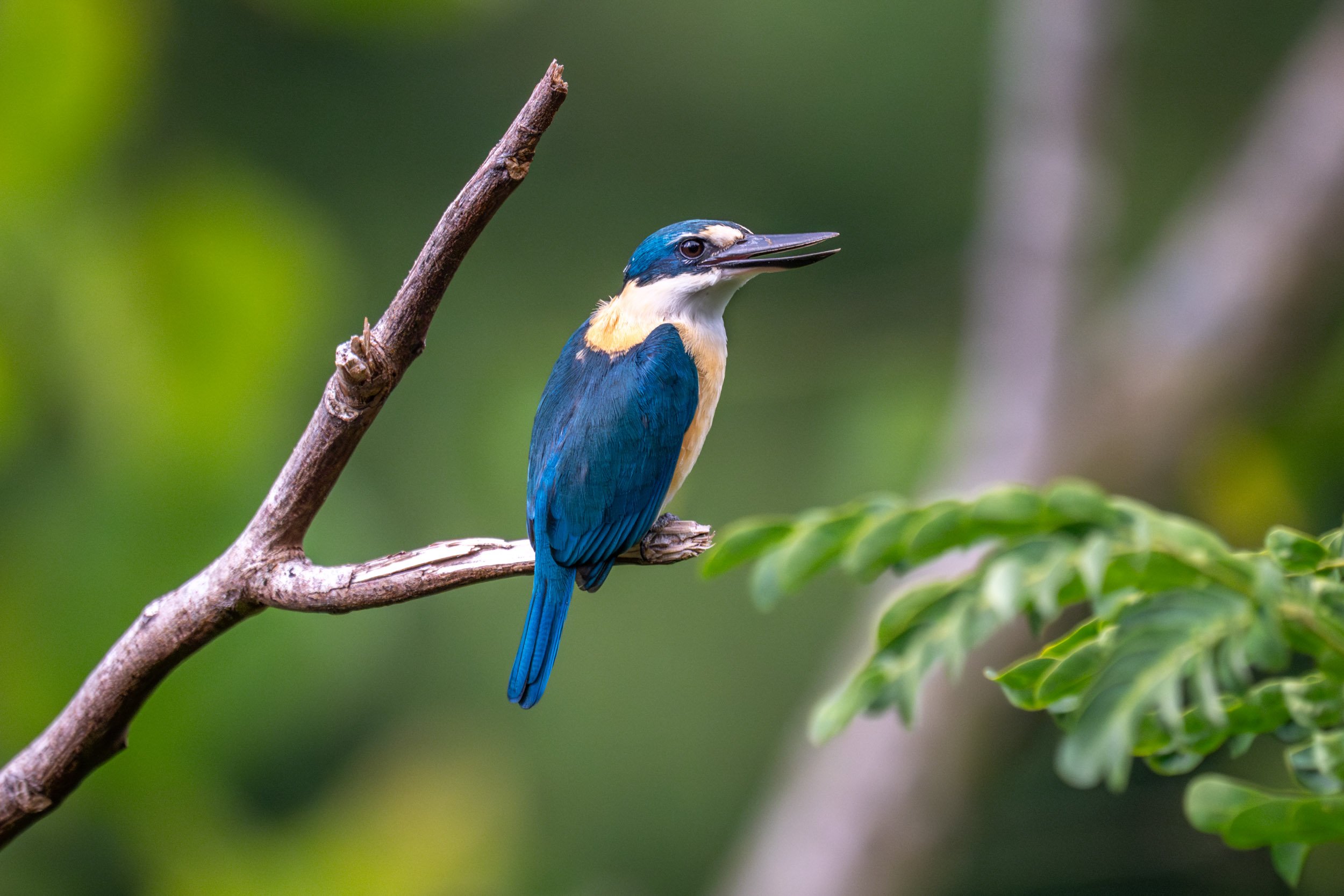
The Flat-billed Kingfisher (Todiramphus recurvirostris) is found only in Samoa, occurring on Upolu, Savai‘i and Apolima. Named for its unusually broad, flattened bill, it feeds largely on insects and small reptiles, watching for prey from exposed perches. I photographed this individual near Uafato Village on Upolu, where the species inhabits lowland forest and other wooded environments.
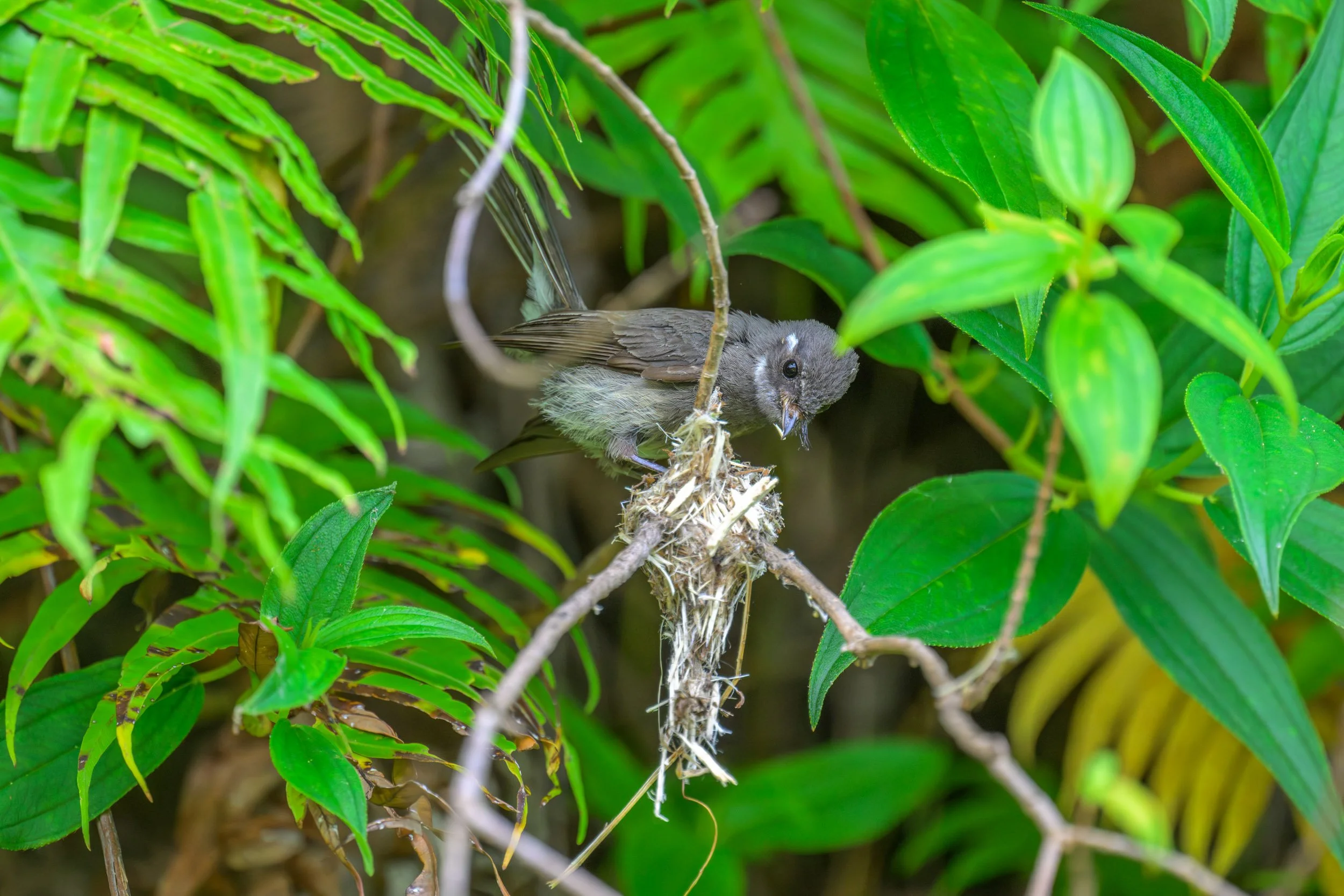
The Samoan Fantail (Rhipidura nebulosa) is an energetic forest bird found only on Upolu and Savai‘i. I photographed a pair tending their small, carefully constructed nest on Upolu, repeatedly returning while remaining alert in the surrounding vegetation. Observing them from a respectful distance offered an intimate glimpse into the breeding behaviour of a bird more often seen moving restlessly through the forest with its distinctive tail spread wide.
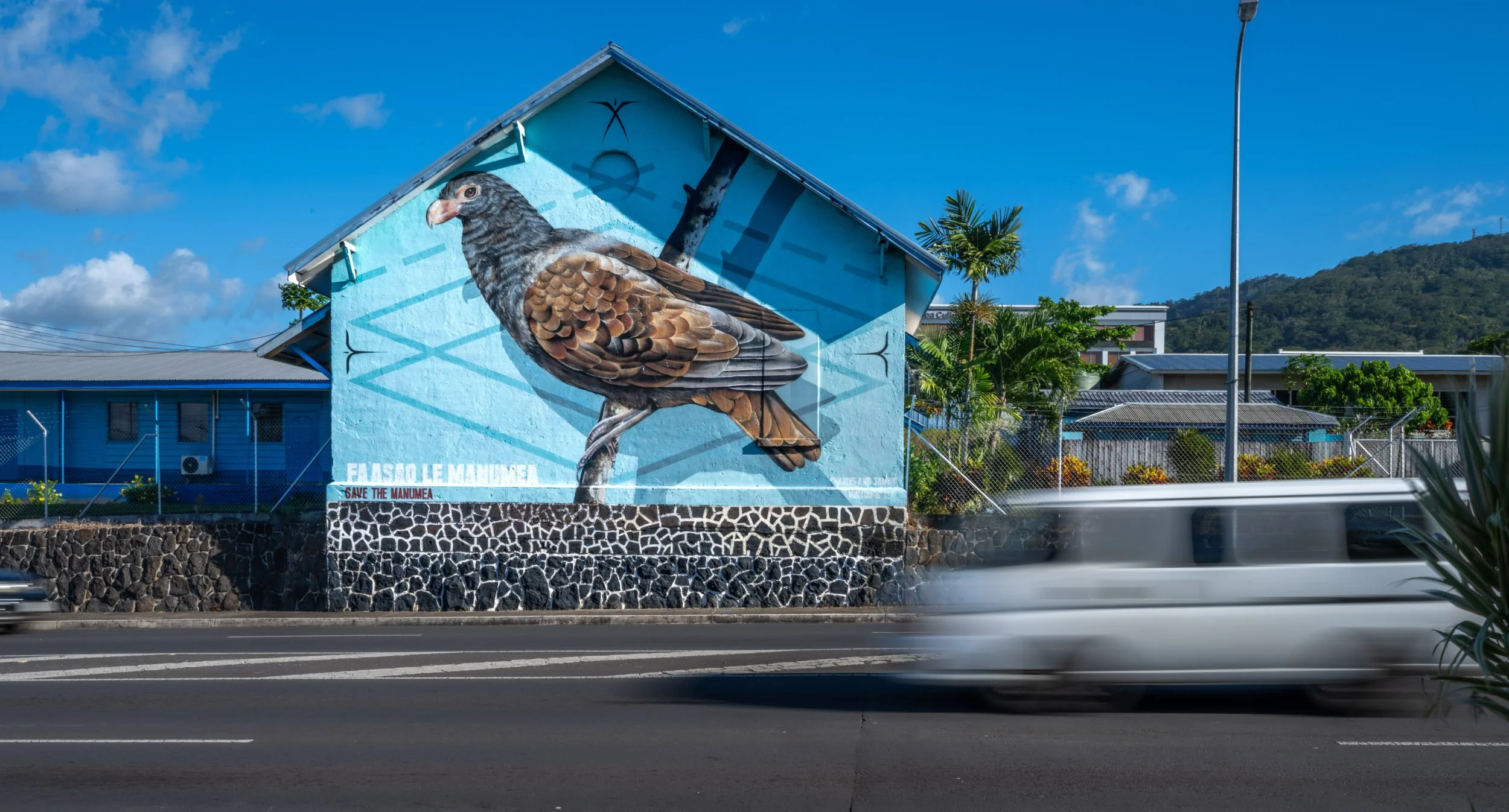
Searching for the Manumea
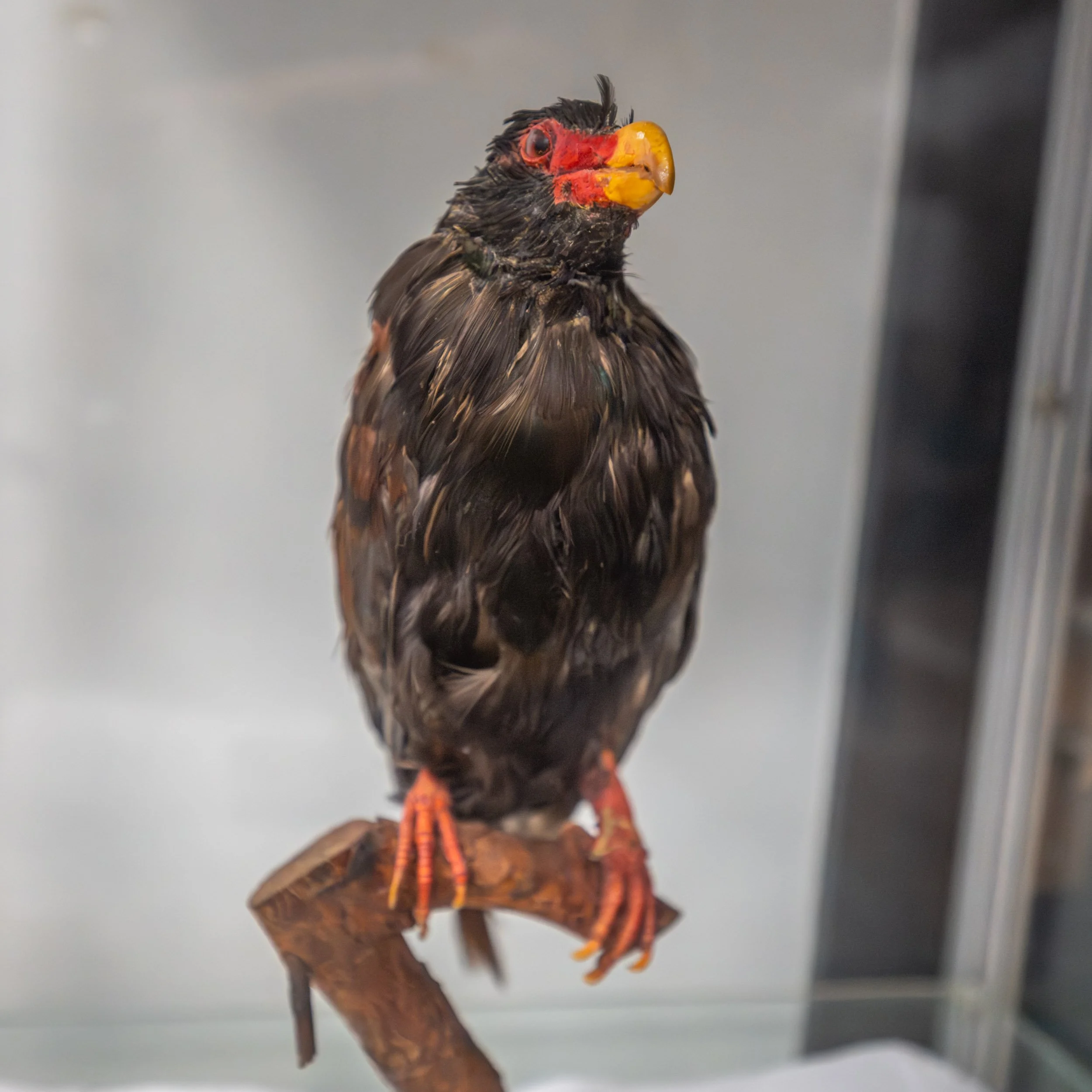
A preserved Manumea, or Tooth-billed Pigeon (Didunculus strigirostris), displayed at the Museum of Samoa in Apia.
The Manumea, or Tooth-billed Pigeon (Didunculus strigirostris), is found only in Samoa. As the country’s national bird and one of the world’s rarest pigeons, it has become an important symbol of Samoa’s natural heritage. Its powerful, tooth-like bill allows it to feed on large native fruits and seeds, helping disperse them throughout the forest. Habitat loss, hunting and invasive predators have pushed the species dangerously close to extinction.
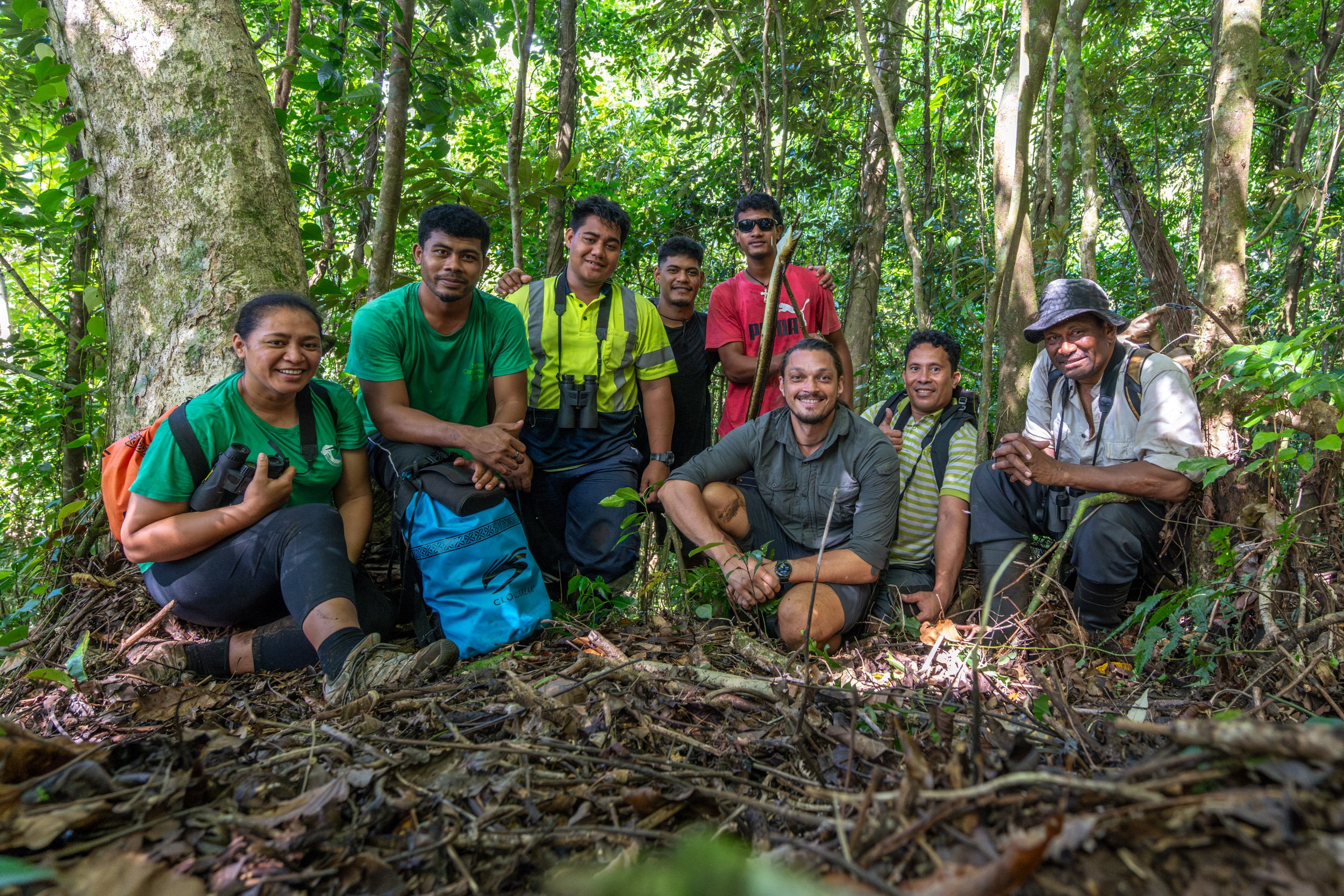
During a six-week assignment on Upolu, I joined BirdLife International and the Samoa Conservation Society to document the search for the Manumea. The team worked through remote rainforest around Uafato, combining field observations with camera traps and acoustic recorders. Although the expedition produced no confirmed sighting, it demonstrated both the difficulty of locating such an elusive bird and the urgency of protecting the forests on which it depends.
The short film follows the team into the forest and offers a glimpse behind the scenes of the continuing search for Samoa’s national bird.