BIRDS OF PAPUA NEW GUINEA
A photographic journey through Papua New Guinea’s remarkable island birdlife
Papua New Guinea is one of the most biologically diverse countries on Earth, with bird communities shaped by vast rainforests, rugged mountains and hundreds of islands. My assignments have taken me primarily through the Bismarck Archipelago—from New Britain and New Ireland to New Hanover, Mussau, Emirau and remote Tench Island—allowing me to build a growing photographic record of the region’s extraordinary birdlife.
Many of these photographs were made while documenting conservation expeditions with WWF, WCS and GIZ, often in remote places that are rarely visited and remain scientifically little known.

BIRDS OF THE BISMARCK ARCHIPELAGO
The long isolation of Papua New Guinea’s islands has produced distinctive bird communities, including numerous species found only on individual islands or island groups. The photographs below are organised geographically, reflecting the different places where I have worked and the remarkable variation in birdlife across the archipelago.
NEW BRITAIN

Pied Coucal (Centropus ateralbus) photographed in Pomio District, East New Britain, Papua New Guinea.
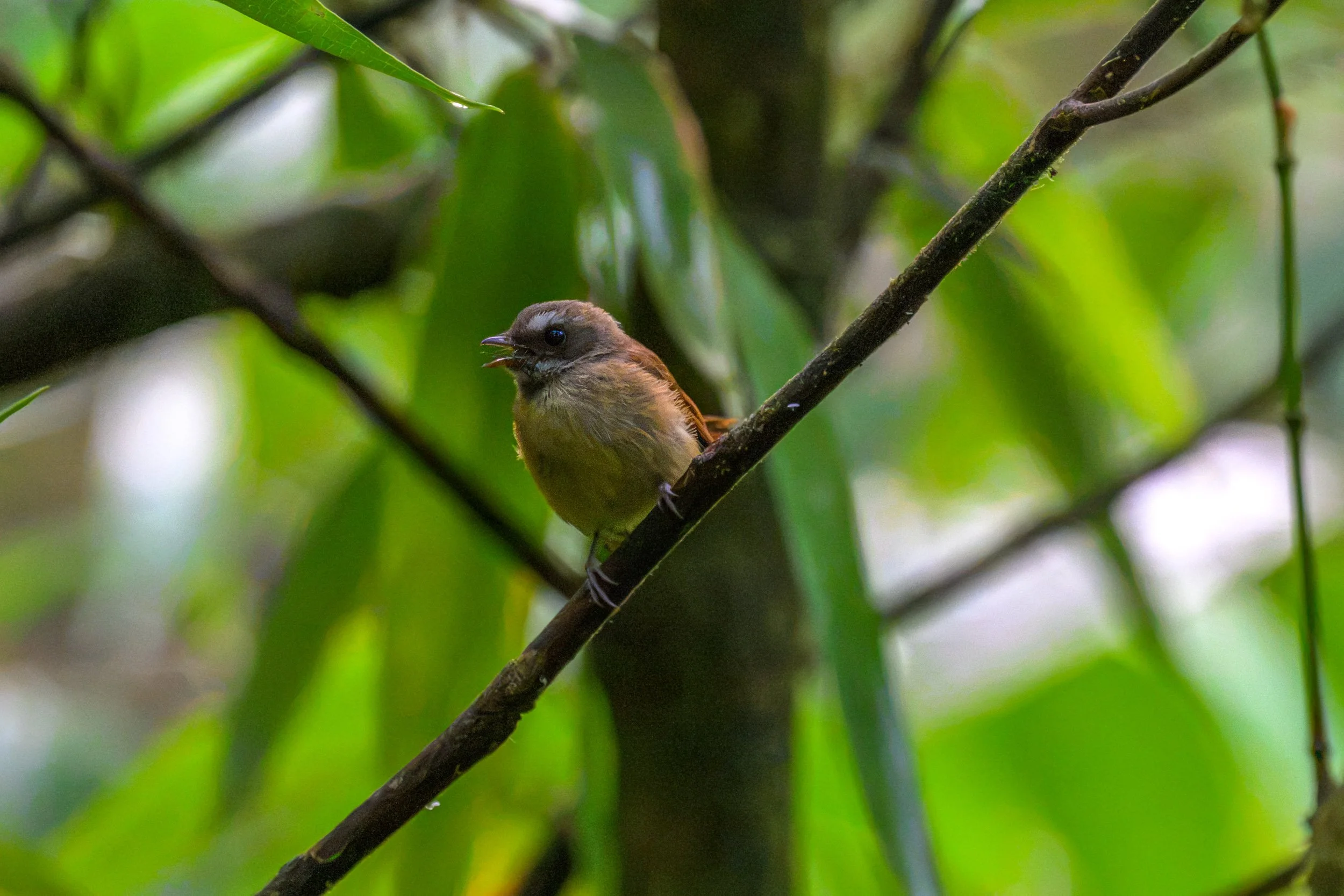
Bismarck Fantail (Rhipidura dahli) photographed in Pomio District, East New Britain, Papua New Guinea.
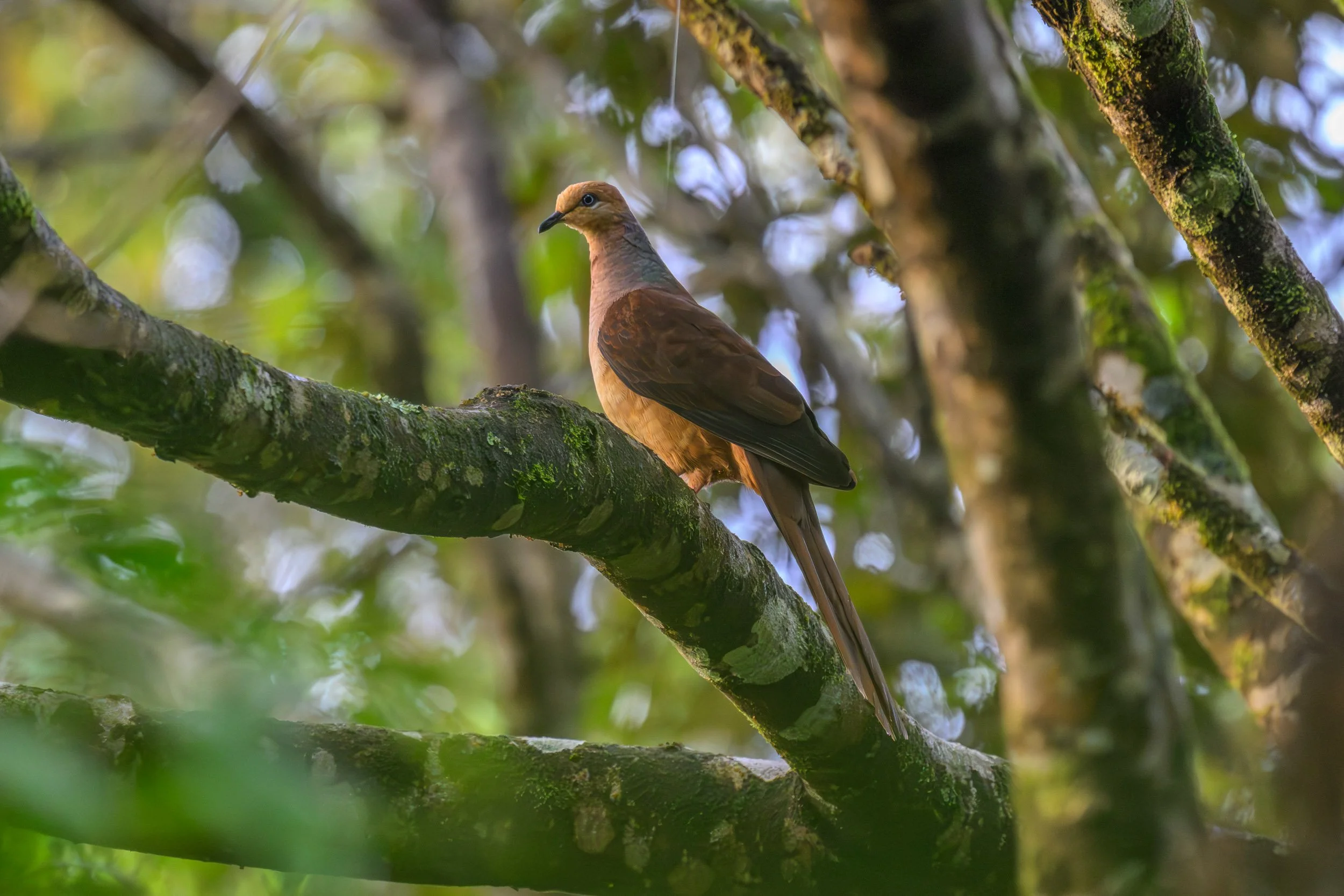
Brown Cuckoo-Dove (Macropygia phasianella) photographed in the highlands of New Britain, Pomio District, East New Britain Province, Papua New Guinea.
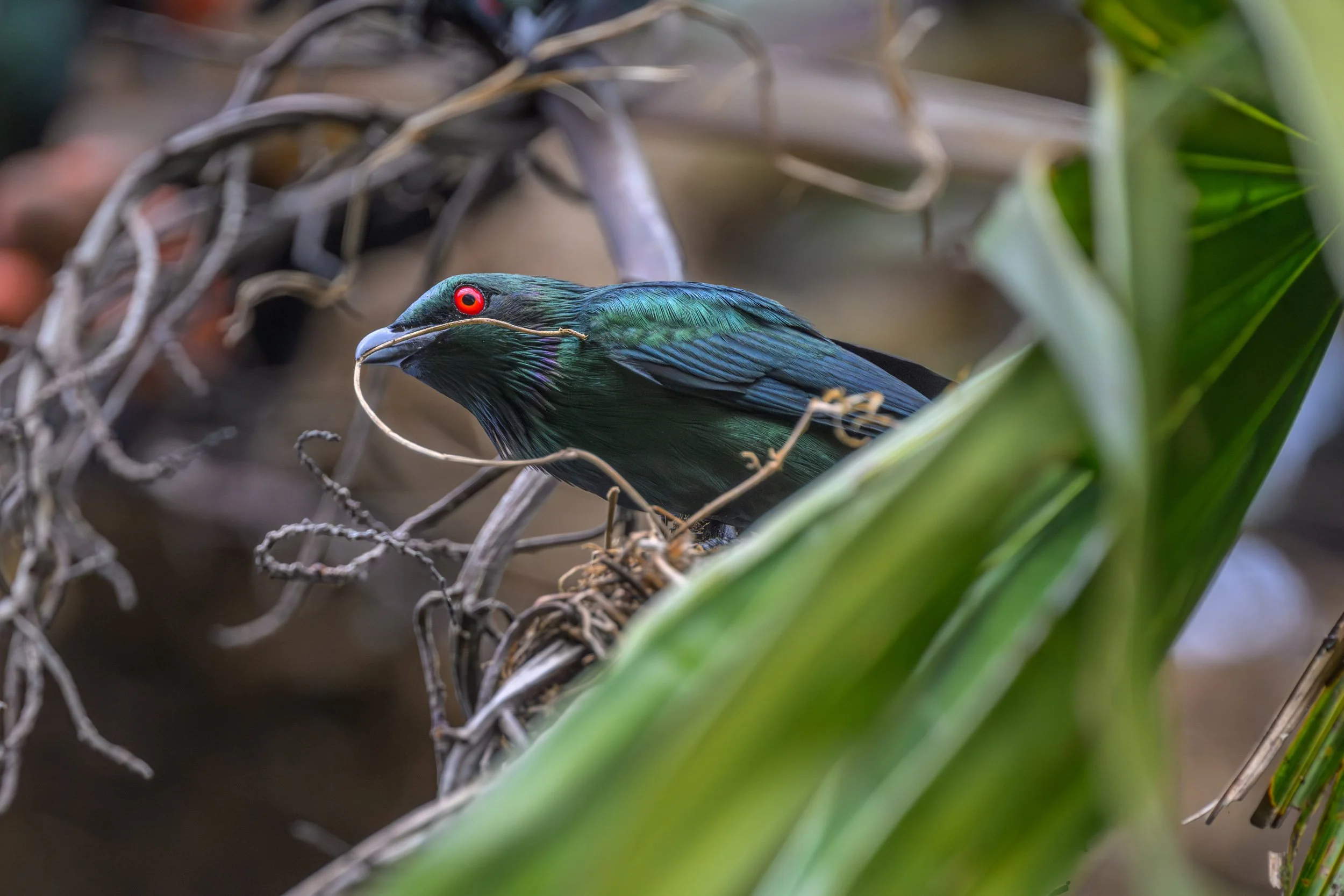
Metallic Starling (Aplonis metallica) photographed in Pomio District, East New Britain, Papua New Guinea.
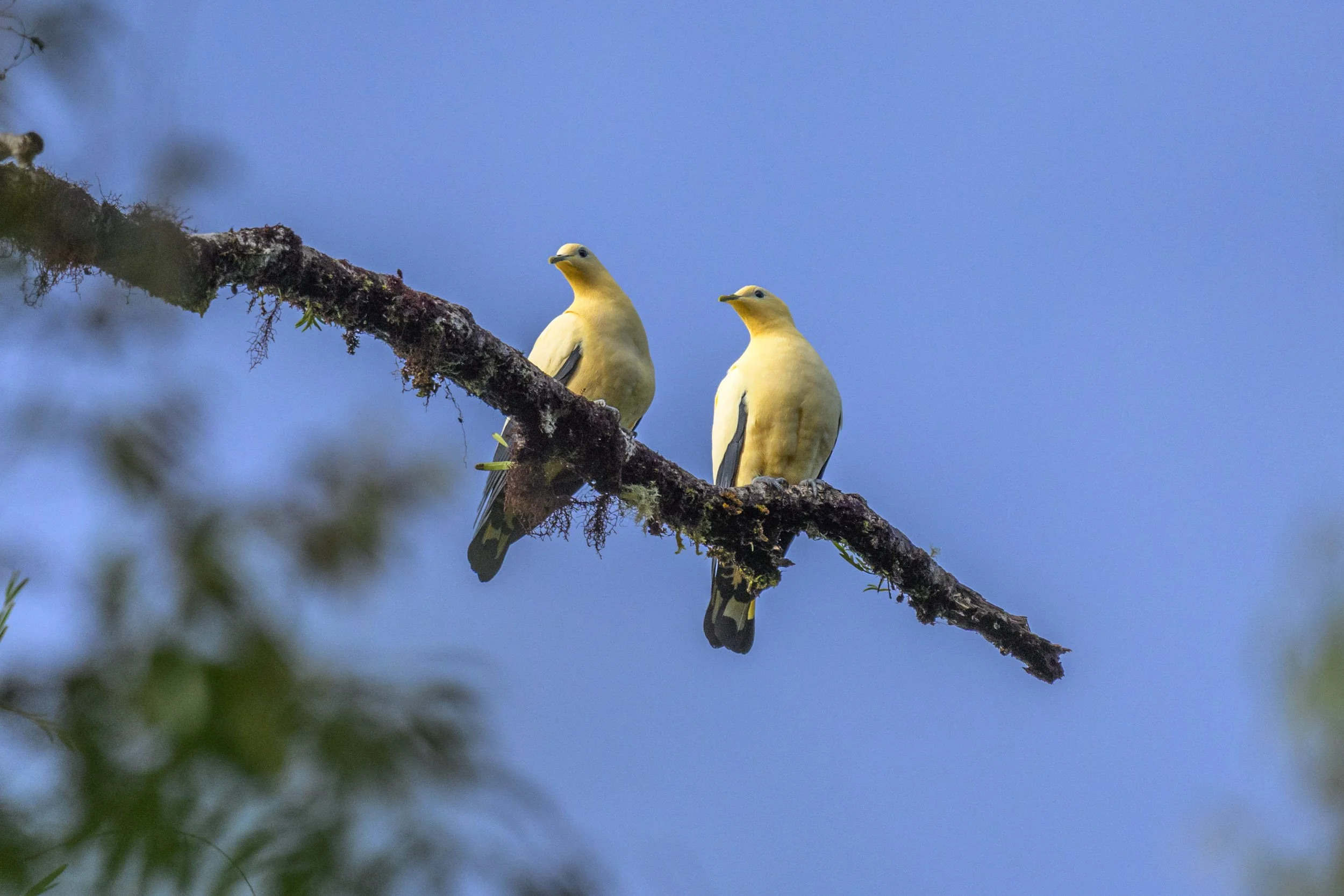
Two Yellowish Imperial Pigeons (Ducula subflavescens) perched together in Pomio District, East New Britain, Papua New Guinea.
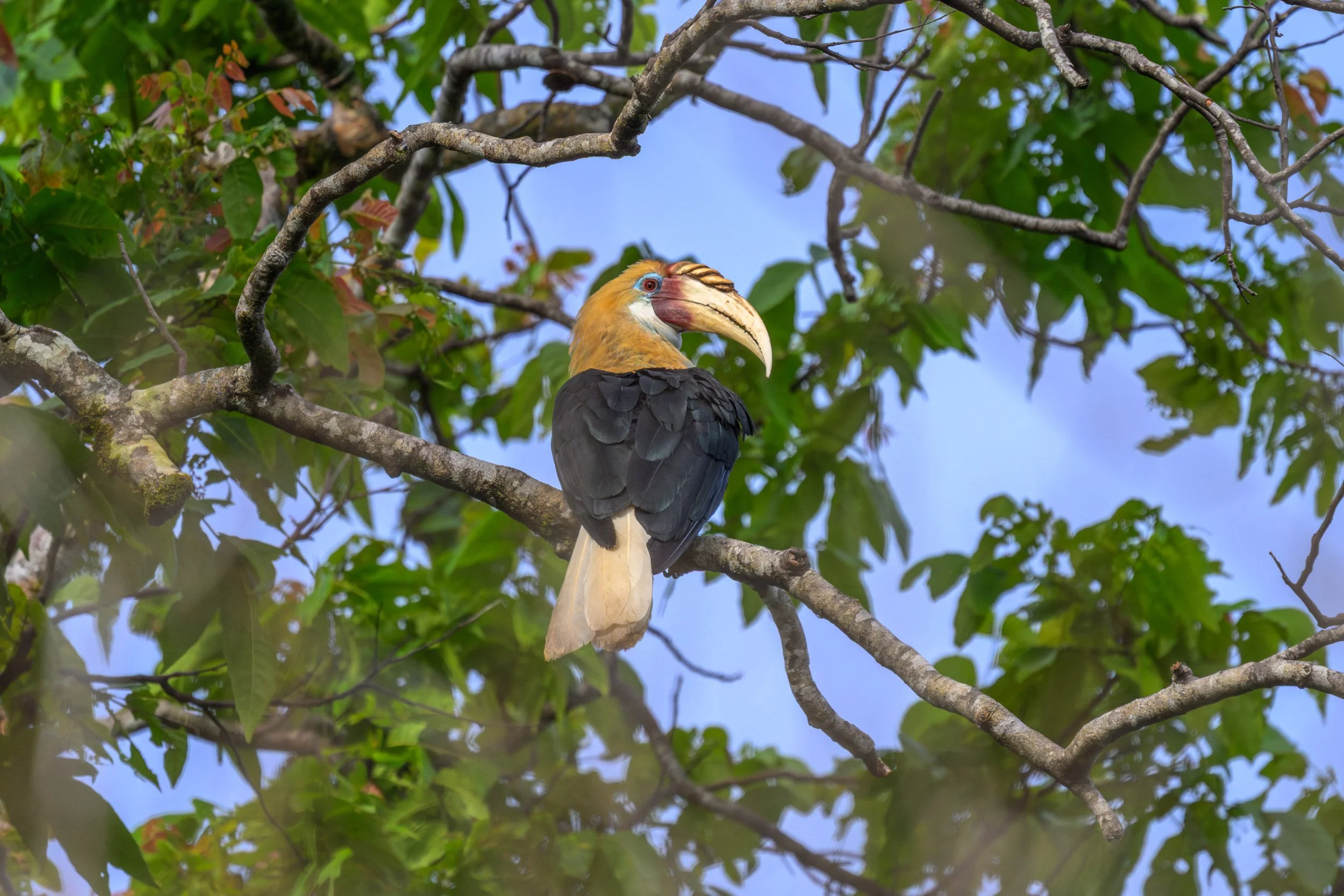
A Blyth’s Hornbill (Rhyticeros plicatus) resting on a tree branch near Palmalmal, Pomio District, East New Britain, Papua New Guinea.
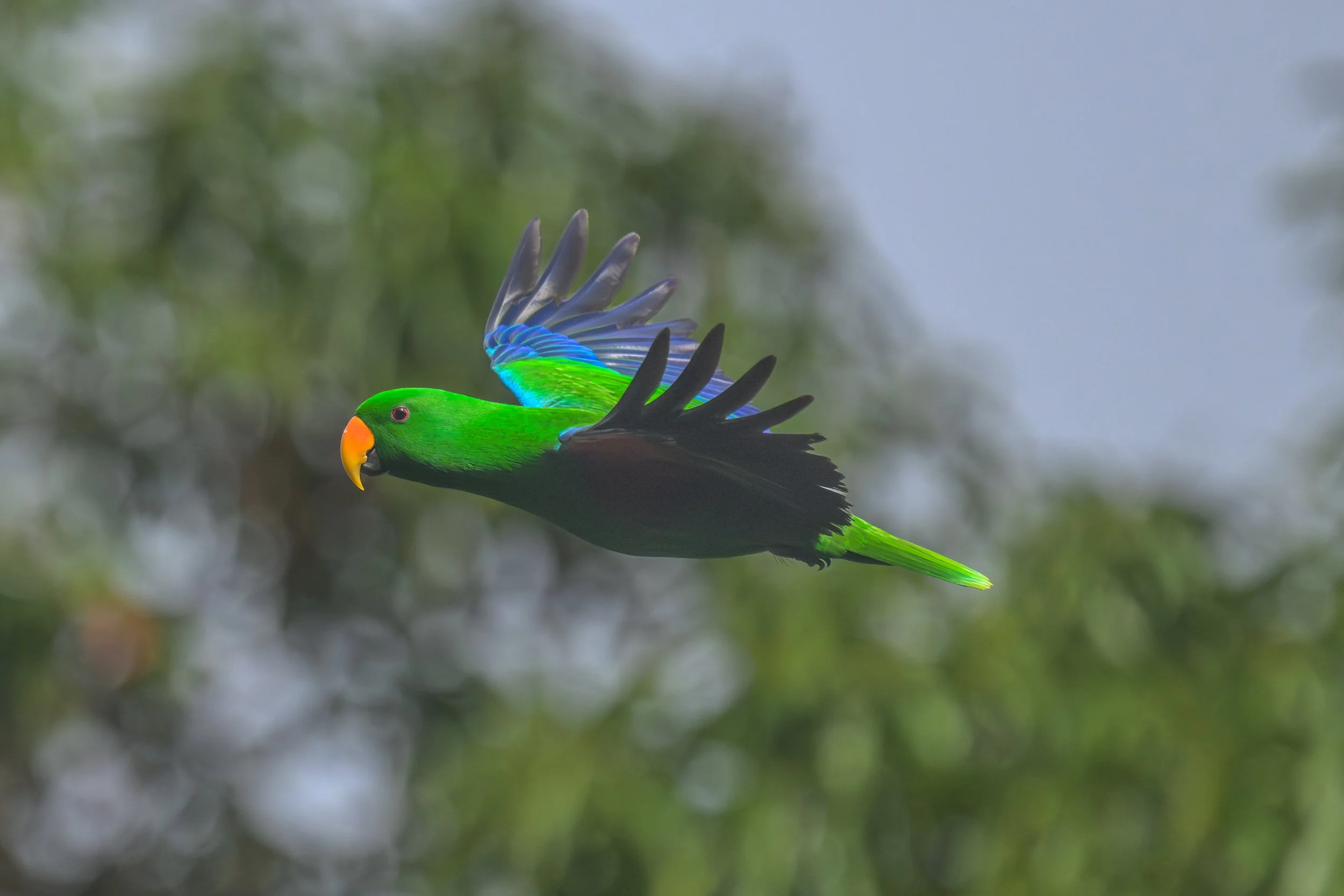
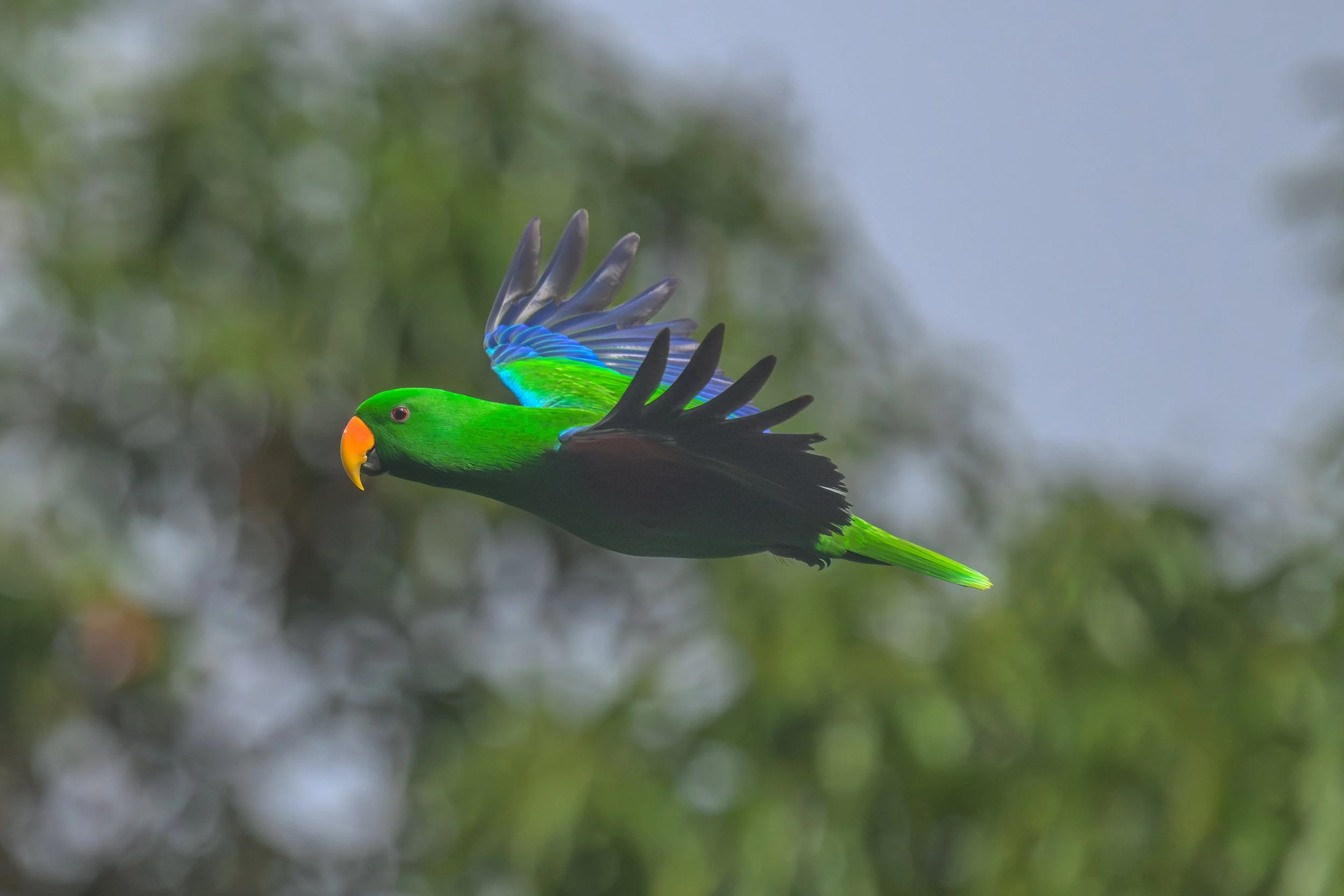
Male Papuan Eclectus (Eclectus polychloros) in flight photographed in Pomio District, East New Britain, Papua New Guinea.
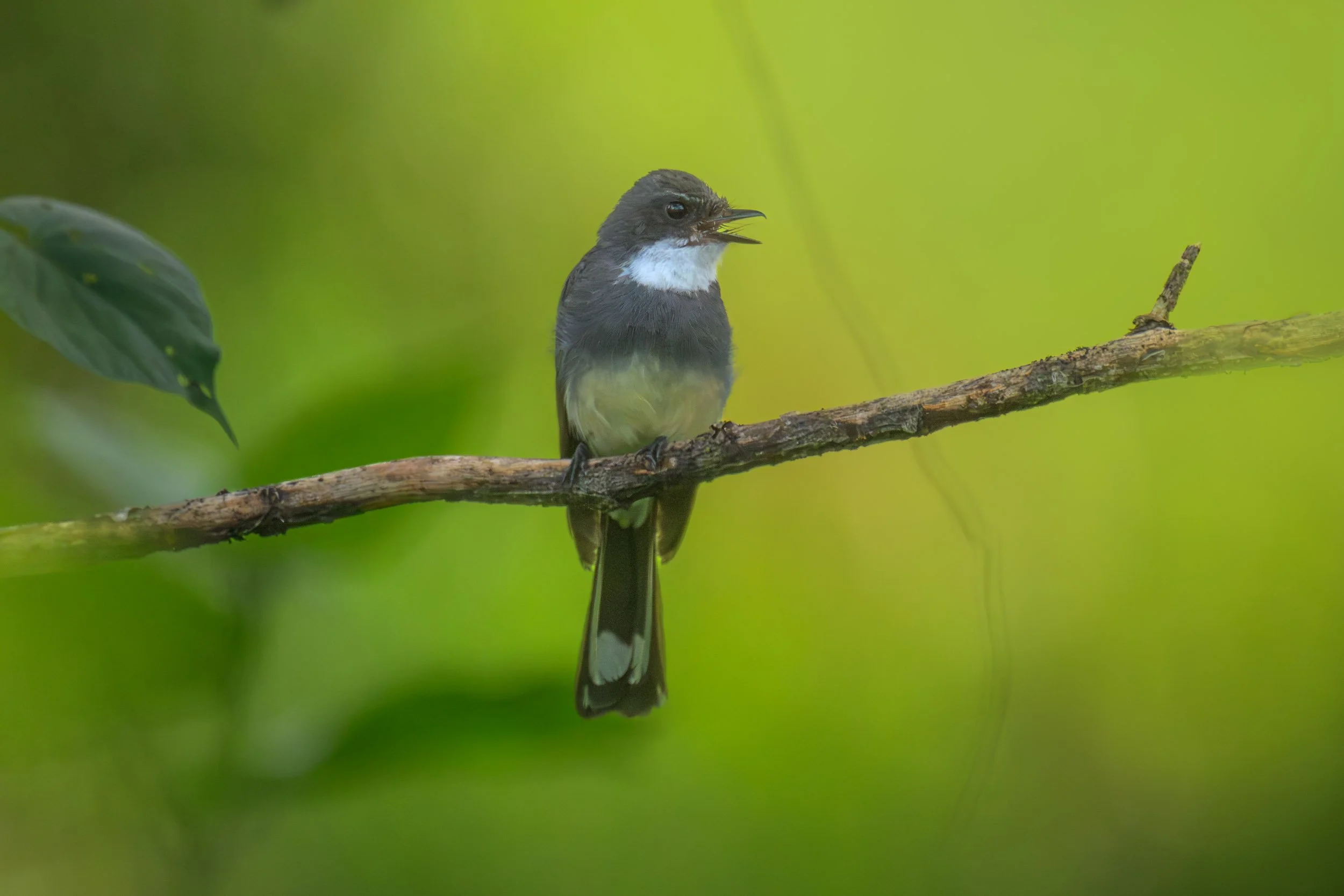
A Northern Fantail (Rhipidura rufiventris finschii) perched in inland Pomio, East New Britain, Papua New Guinea.
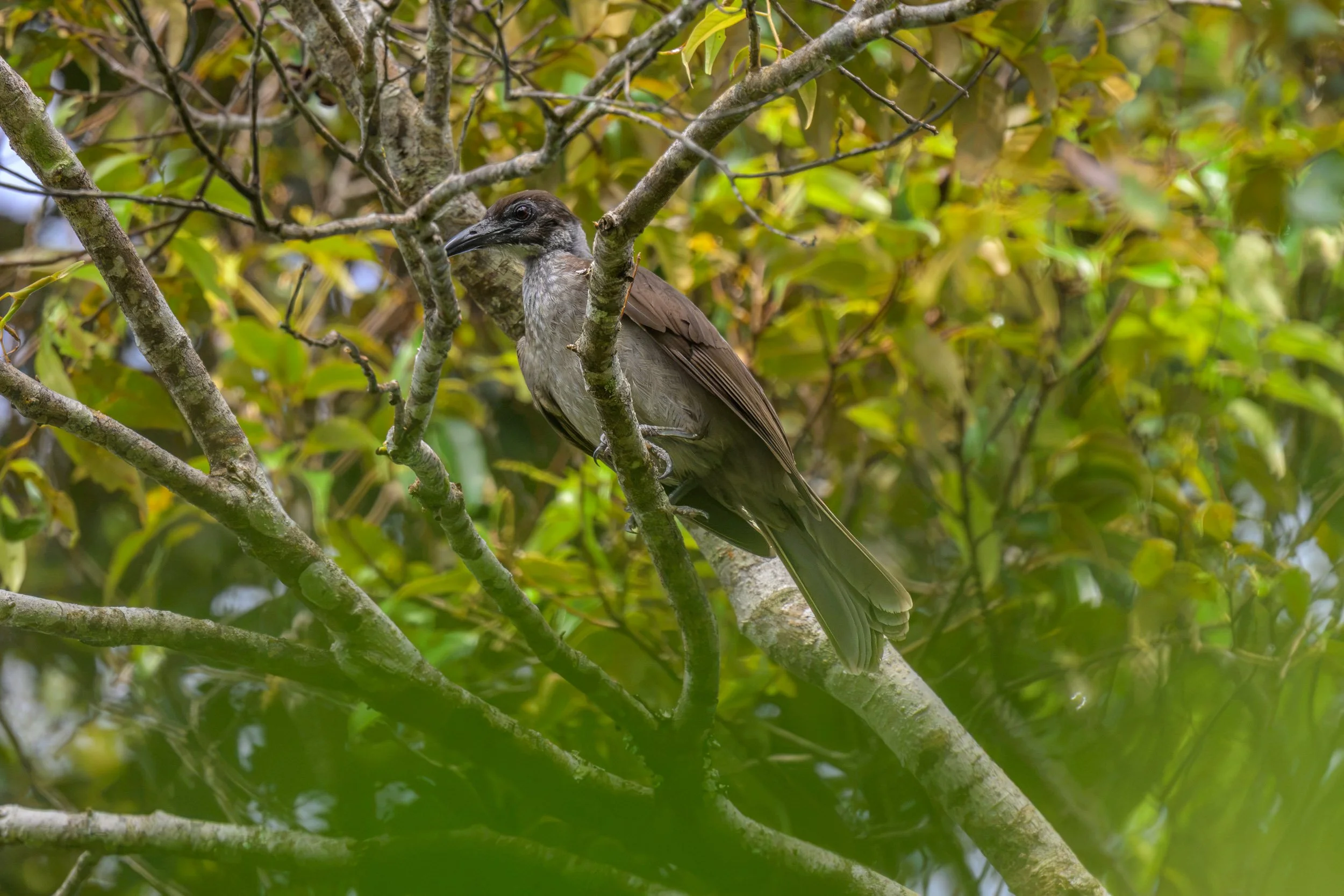
New Britain Friarbird (Philemon cockerelli) perched in a tree in Pomio District, East New Britain, Papua New Guinea.
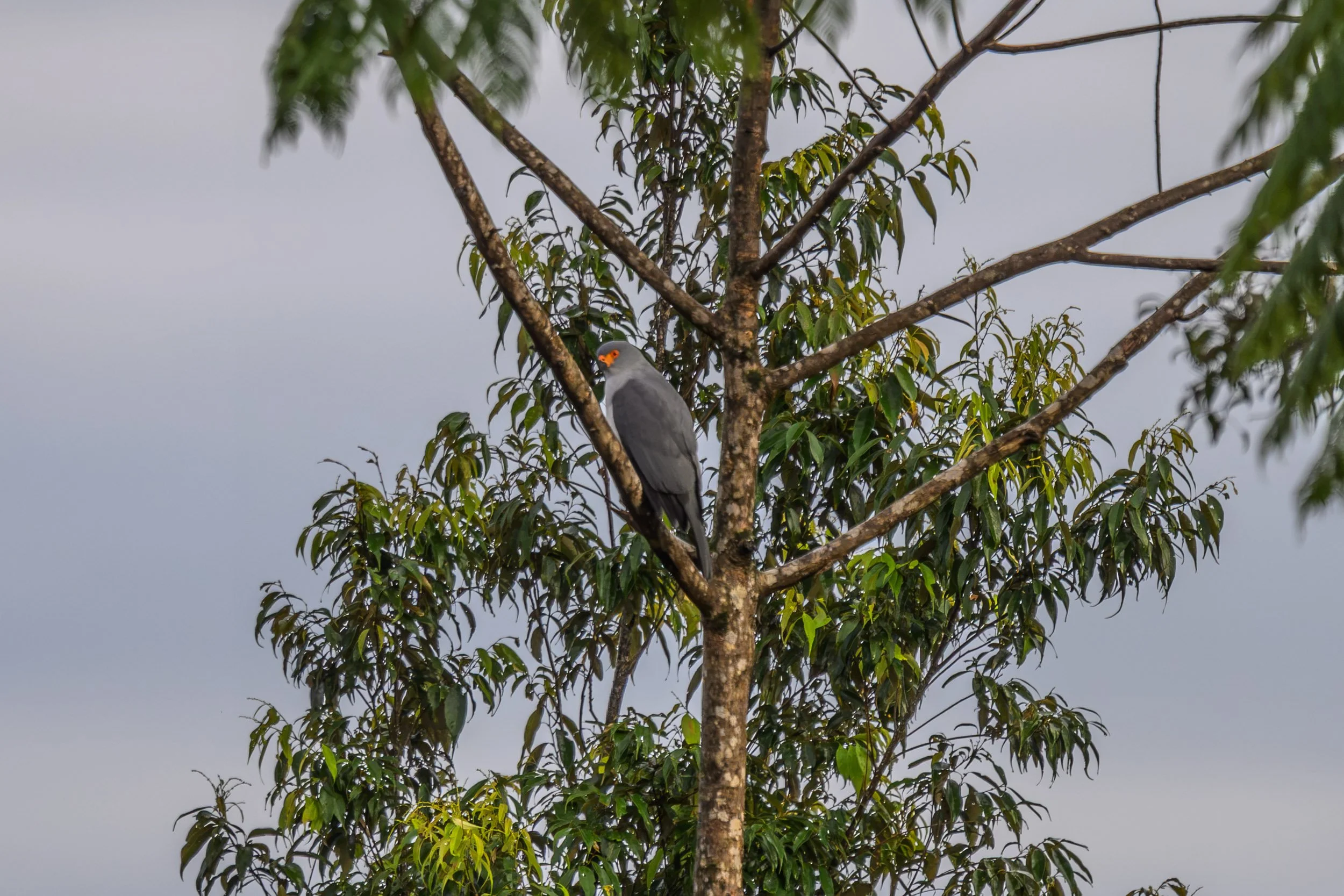
New Britain Goshawk (Tachyspiza princeps) perched in Pomio District, East New Britain, Papua New Guinea. This is the first known photograph of the species.
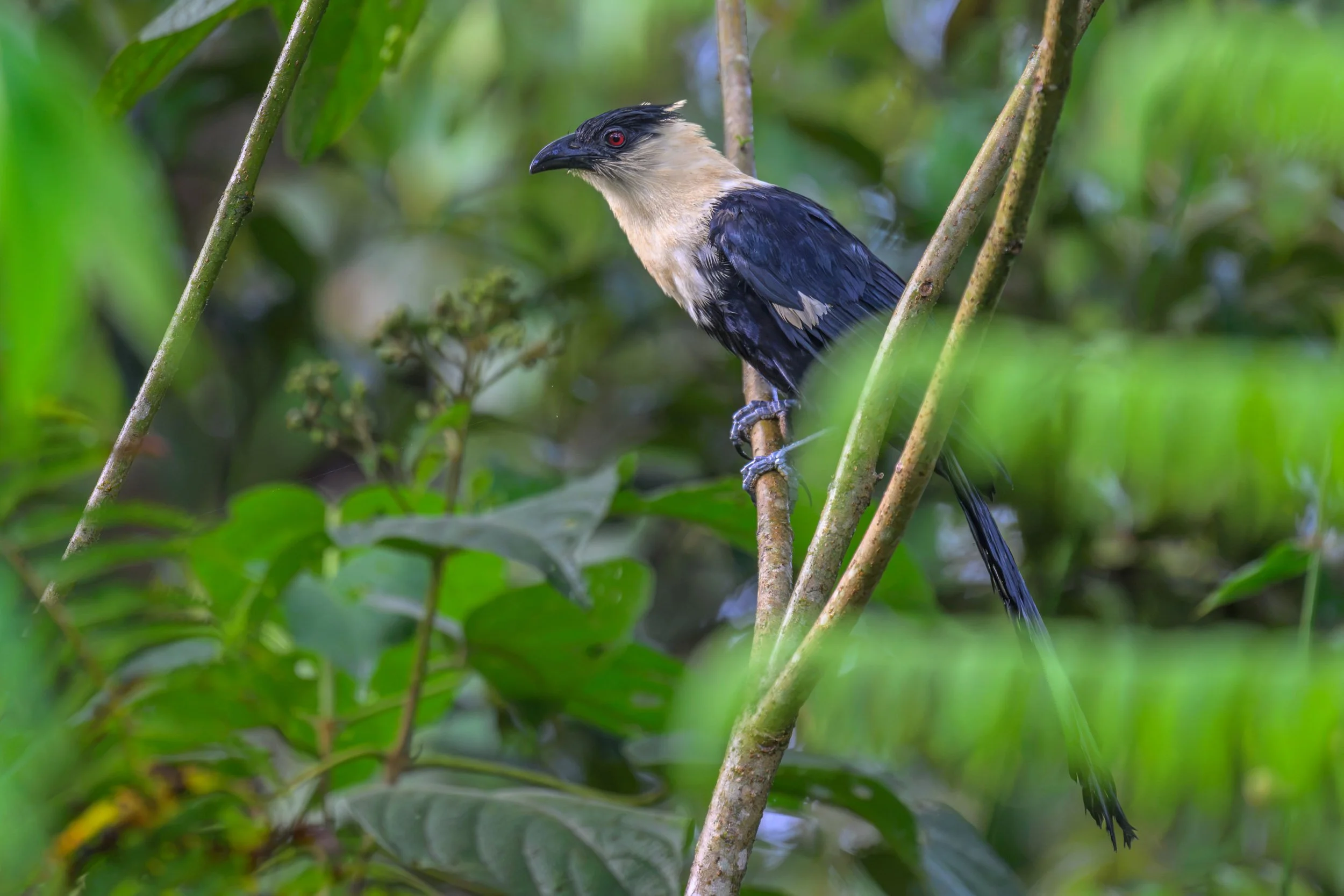
Pied Coucal (Centropus ateralbus) photographed in Pomio District, East New Britain, Papua New Guinea.
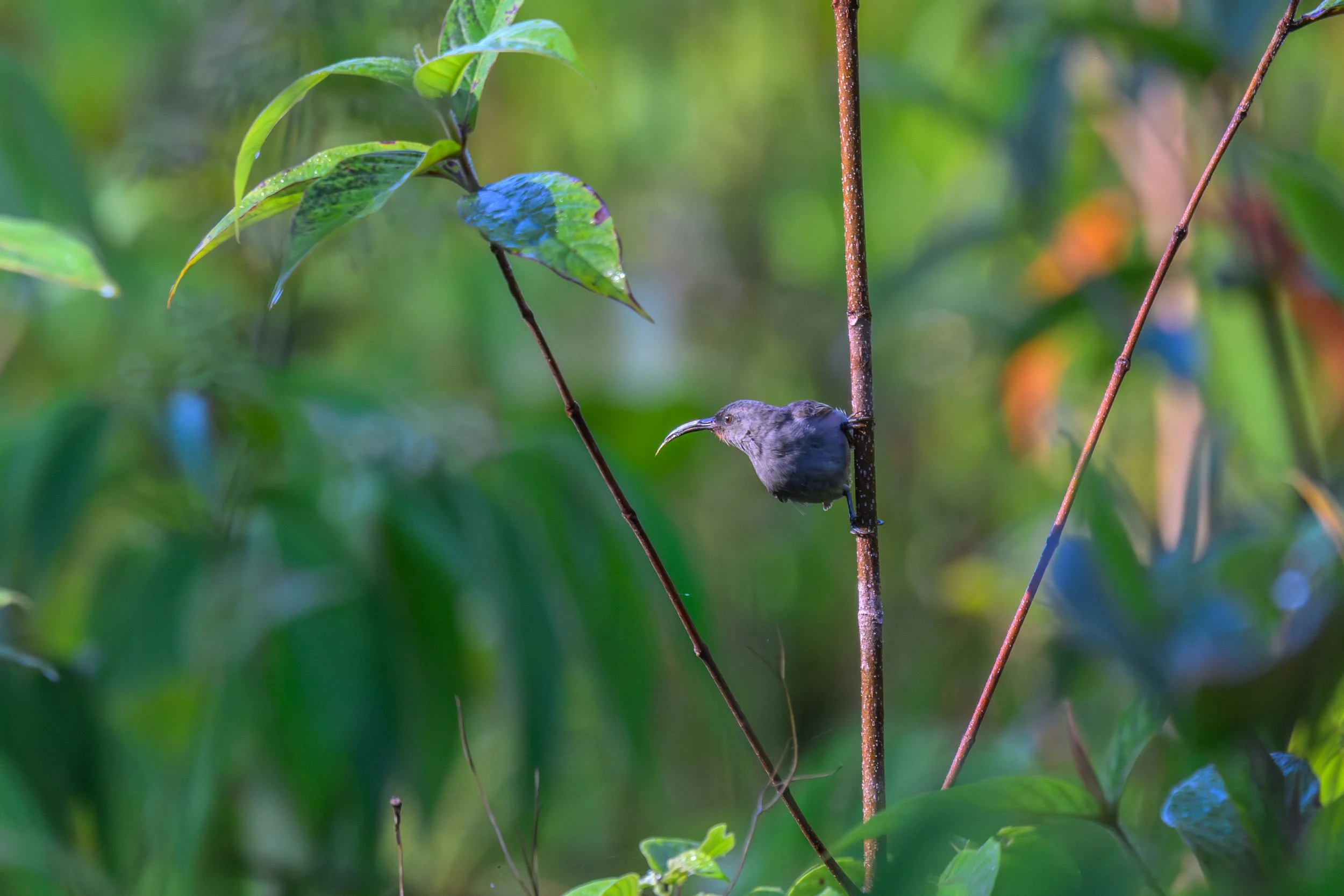
An Ashy Myzomela (Myzomela cineracea) perched on a low branch in inland Pomio, East New Britain, Papua New Guinea. Endemic to the Bismarck Archipelago, the species is restricted to New Britain and Umboi Island.
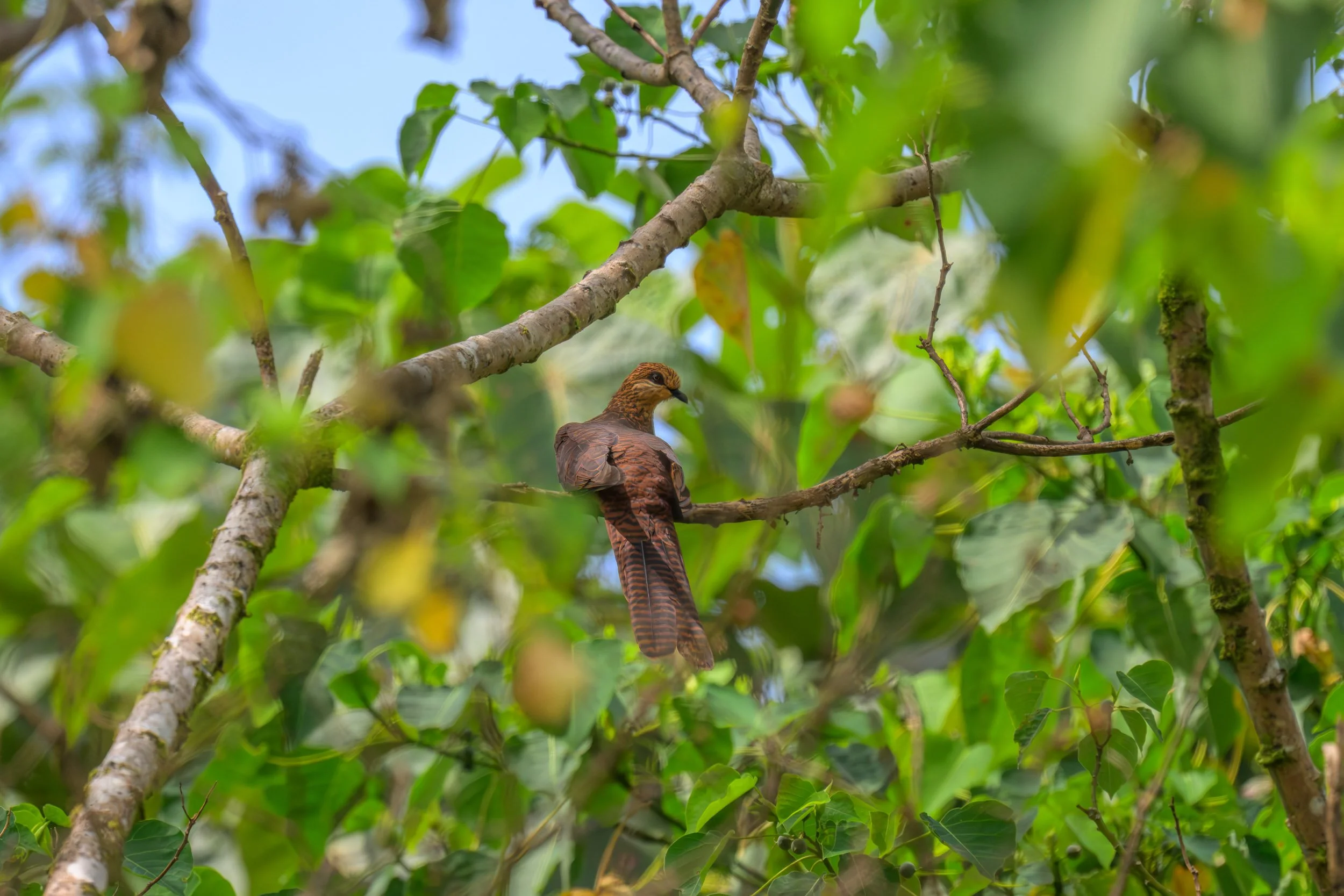
A Black-billed Cuckoo-Dove (Macropygia nigrirostris) perched in a tree in inland Pomio, East New Britain, Papua New Guinea.
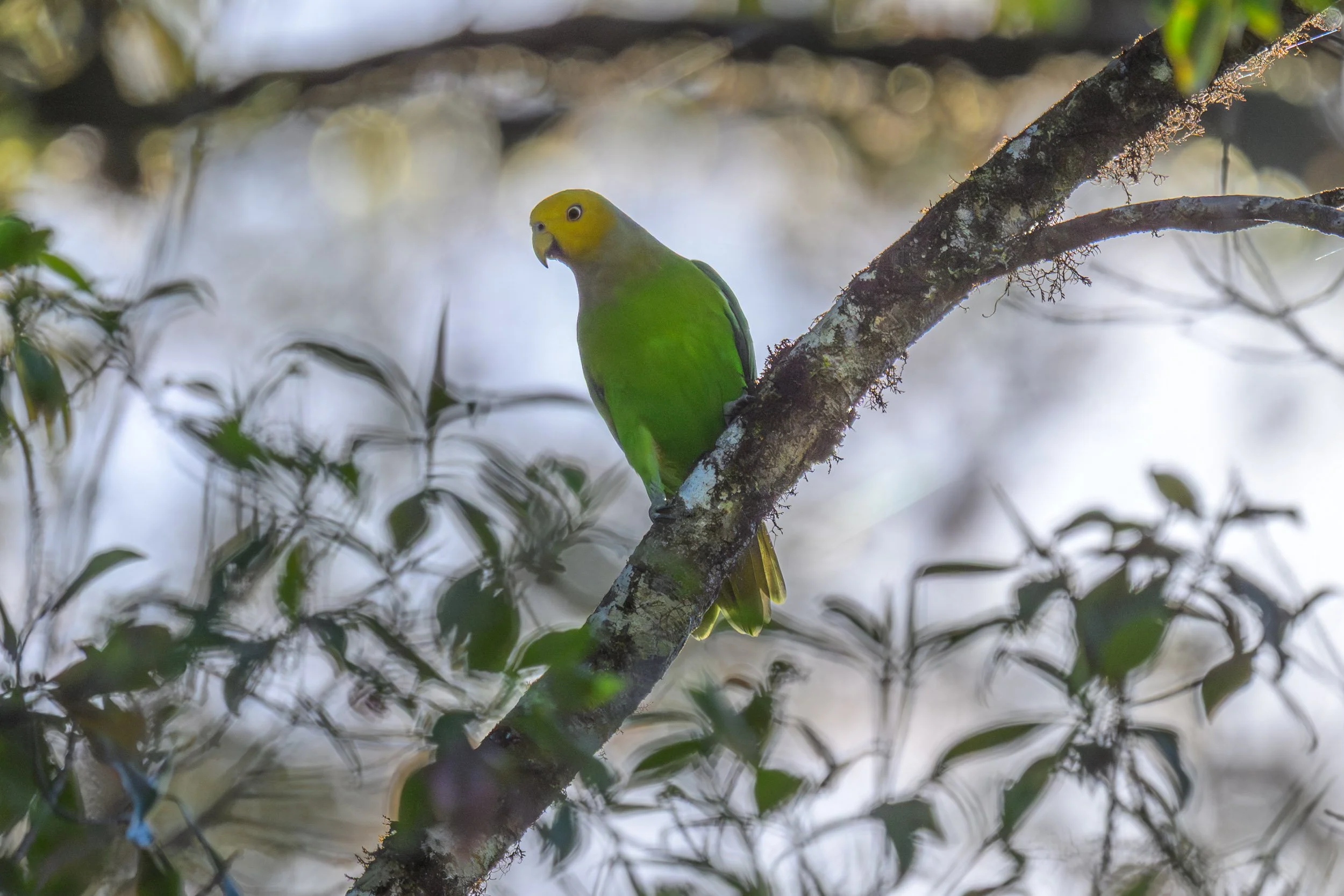
A Singing Parrot (Geoffroyus heteroclitus) perched in inland Pomio, East New Britain, Papua New Guinea. The species occurs across the Bismarck Archipelago, Bougainville and the Solomon Islands.
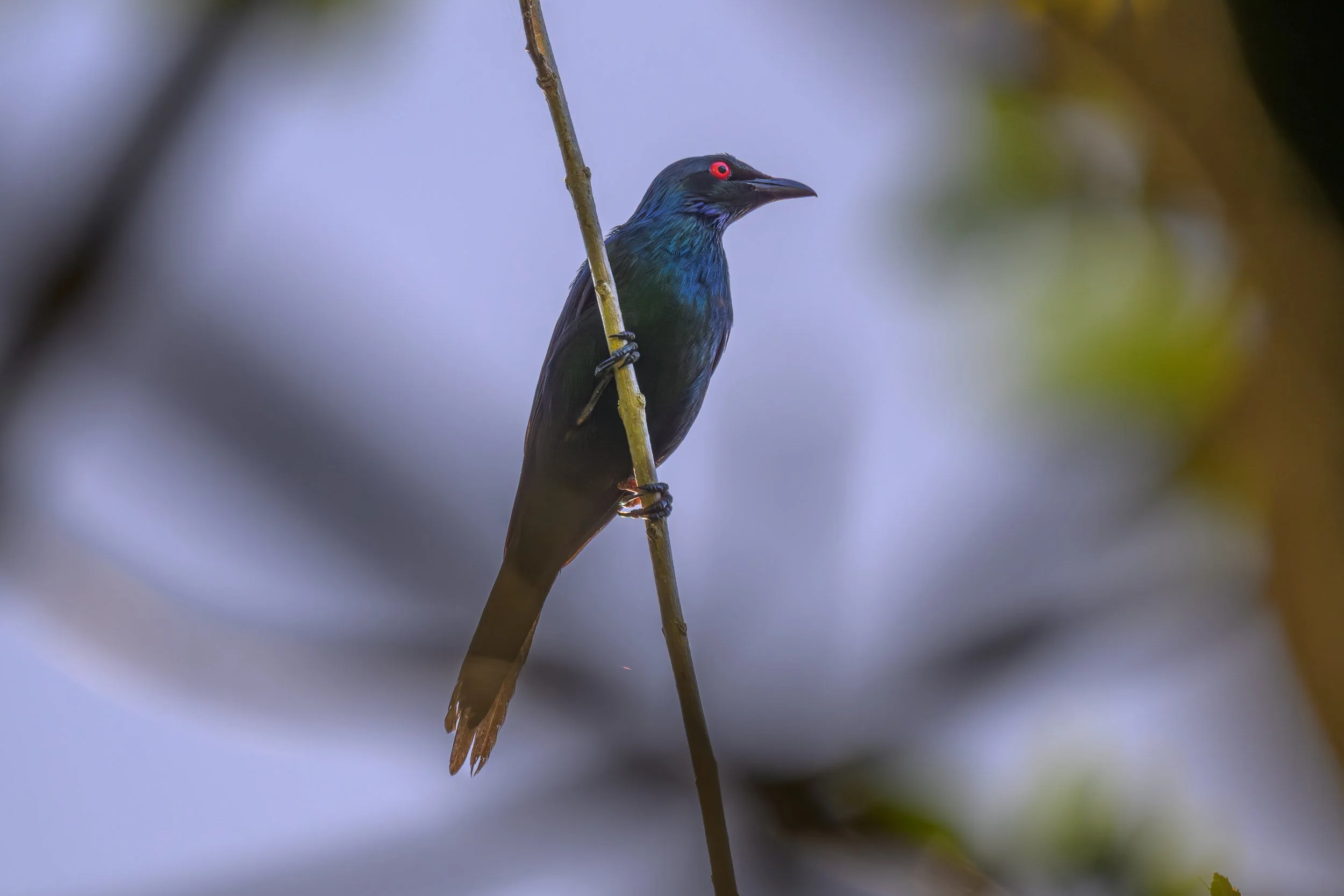
A Metallic Starling (Aplonis metallica) perched near Sahalil in western Pomio, East New Britain, Papua New Guinea.
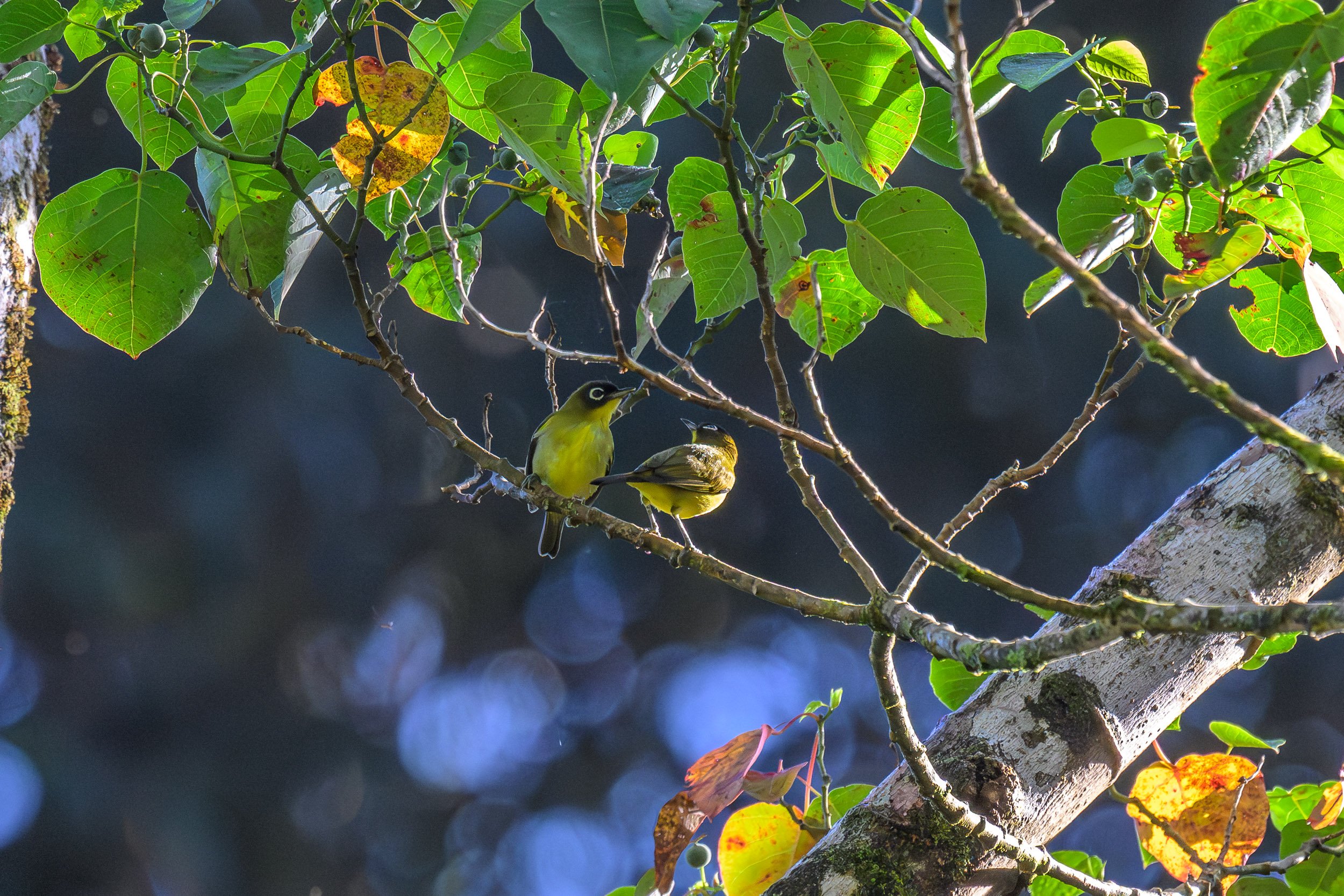
A pair of Black-headed White-eyes (Zosterops hypoxanthus), also known as Bismarck White-eyes, perched together in inland Pomio, East New Britain, Papua New Guinea. The species is endemic to the Bismarck Archipelago.
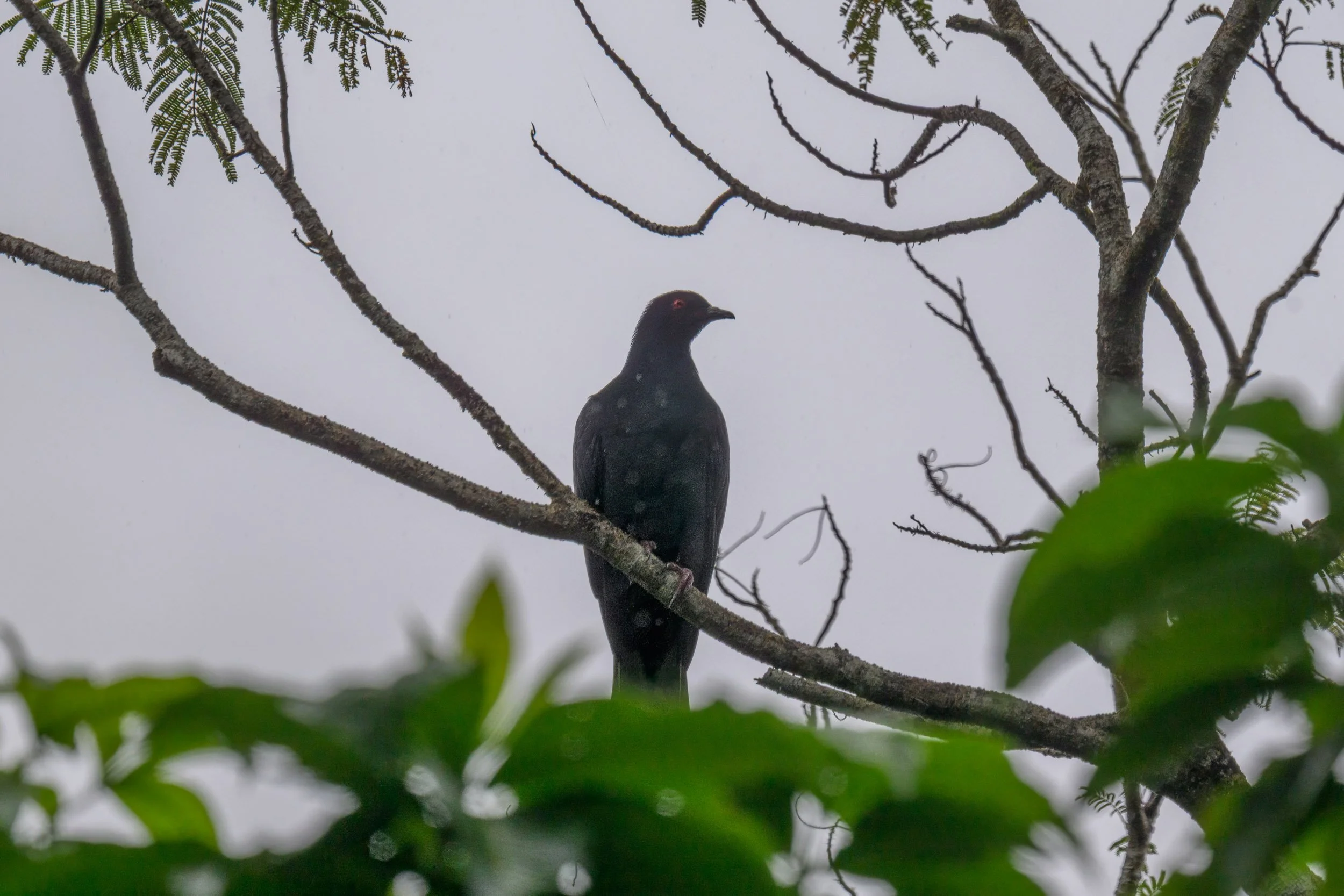
Black Imperial-Pigeon (Ducula melanochroa) photographed in Pomio District, East New Britain, Papua New Guinea.
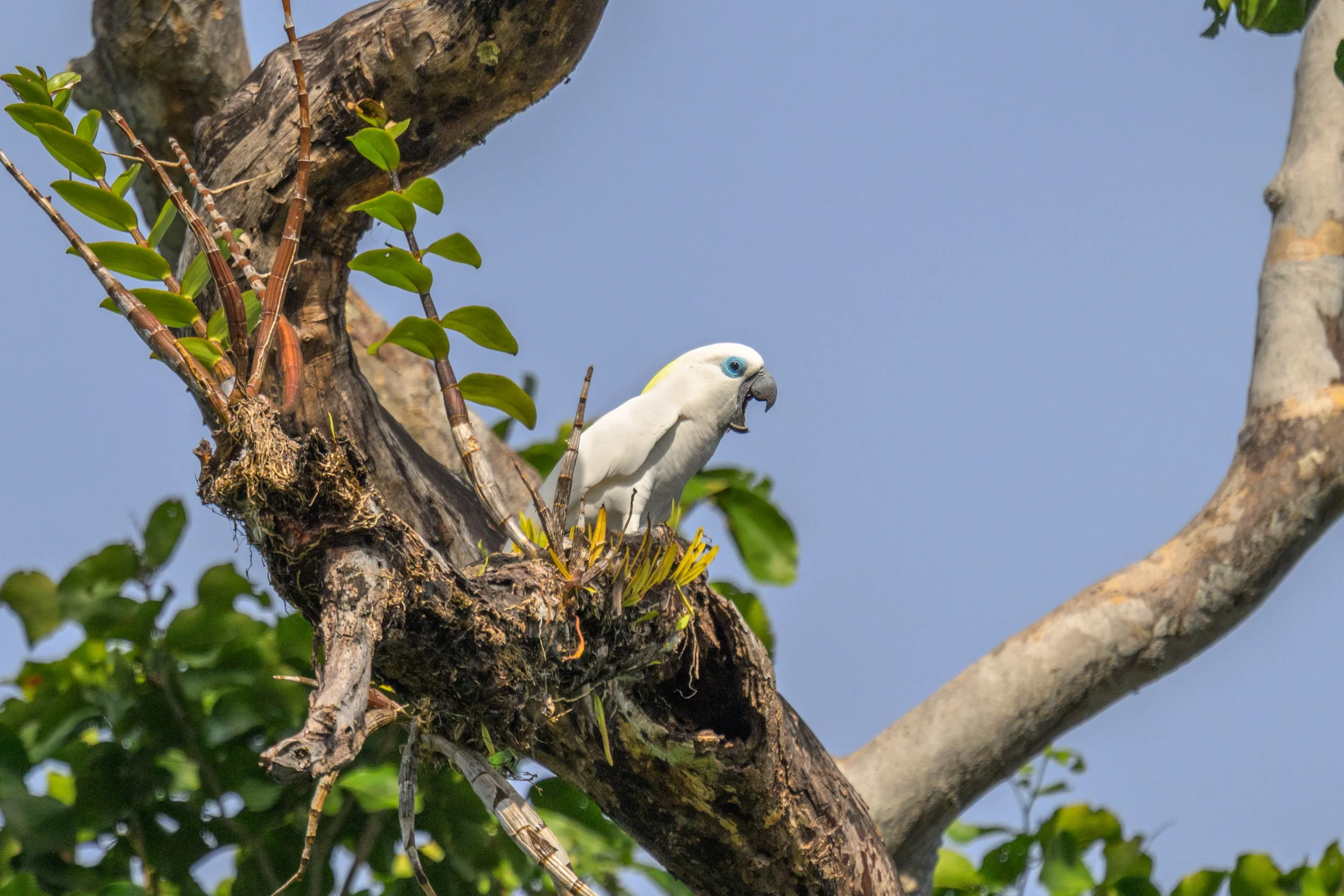
A Blue-eyed Cockatoo (Cacatua ophthalmica) perched near Pomio, East New Britain, Papua New Guinea. Endemic to New Britain in the Bismarck Archipelago, the species is listed as Vulnerable on the IUCN Red List.
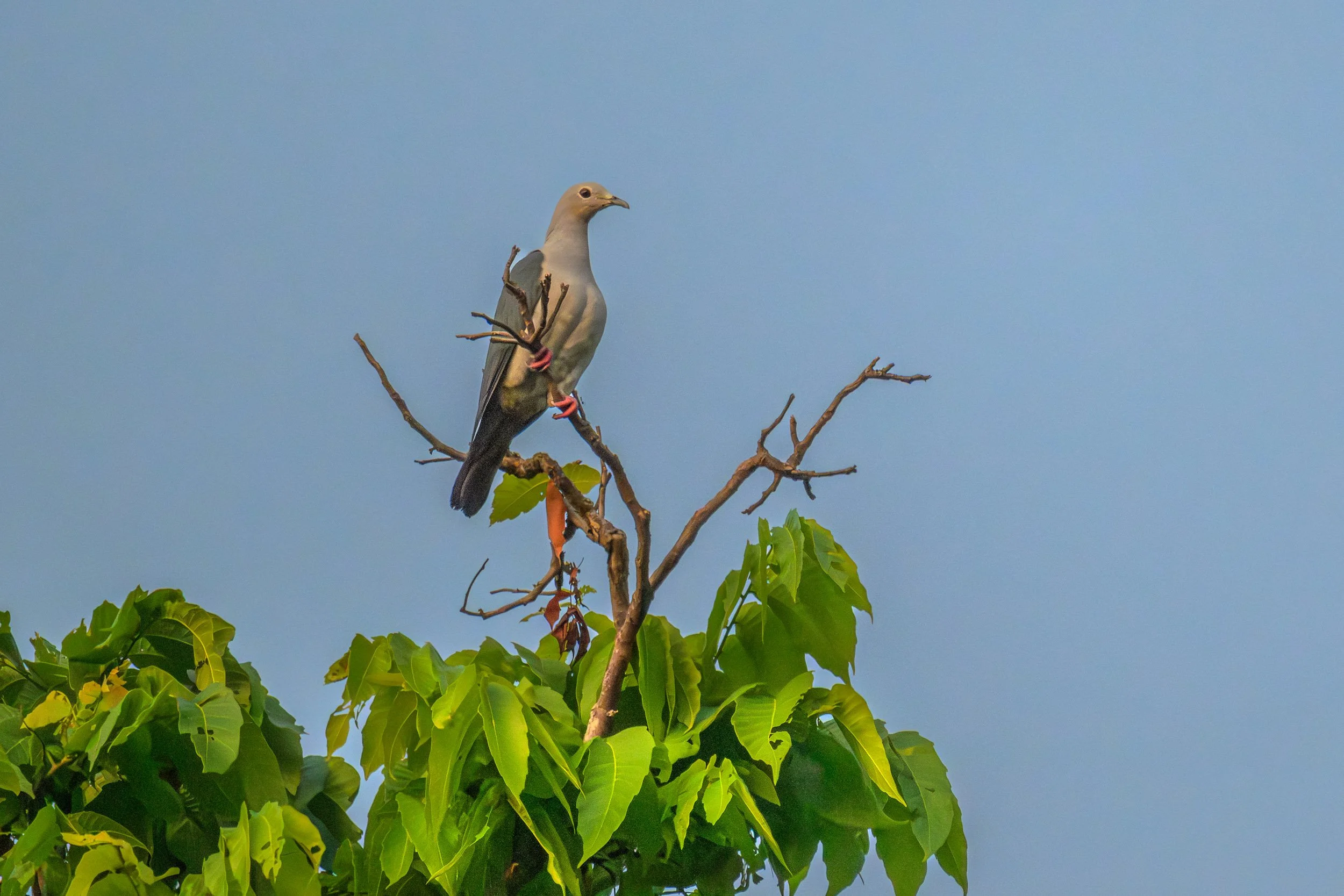
Island Imperial-Pigeon (Ducula pistrinaria) photographed in Pomio District, East New Britain, Papua New Guinea.
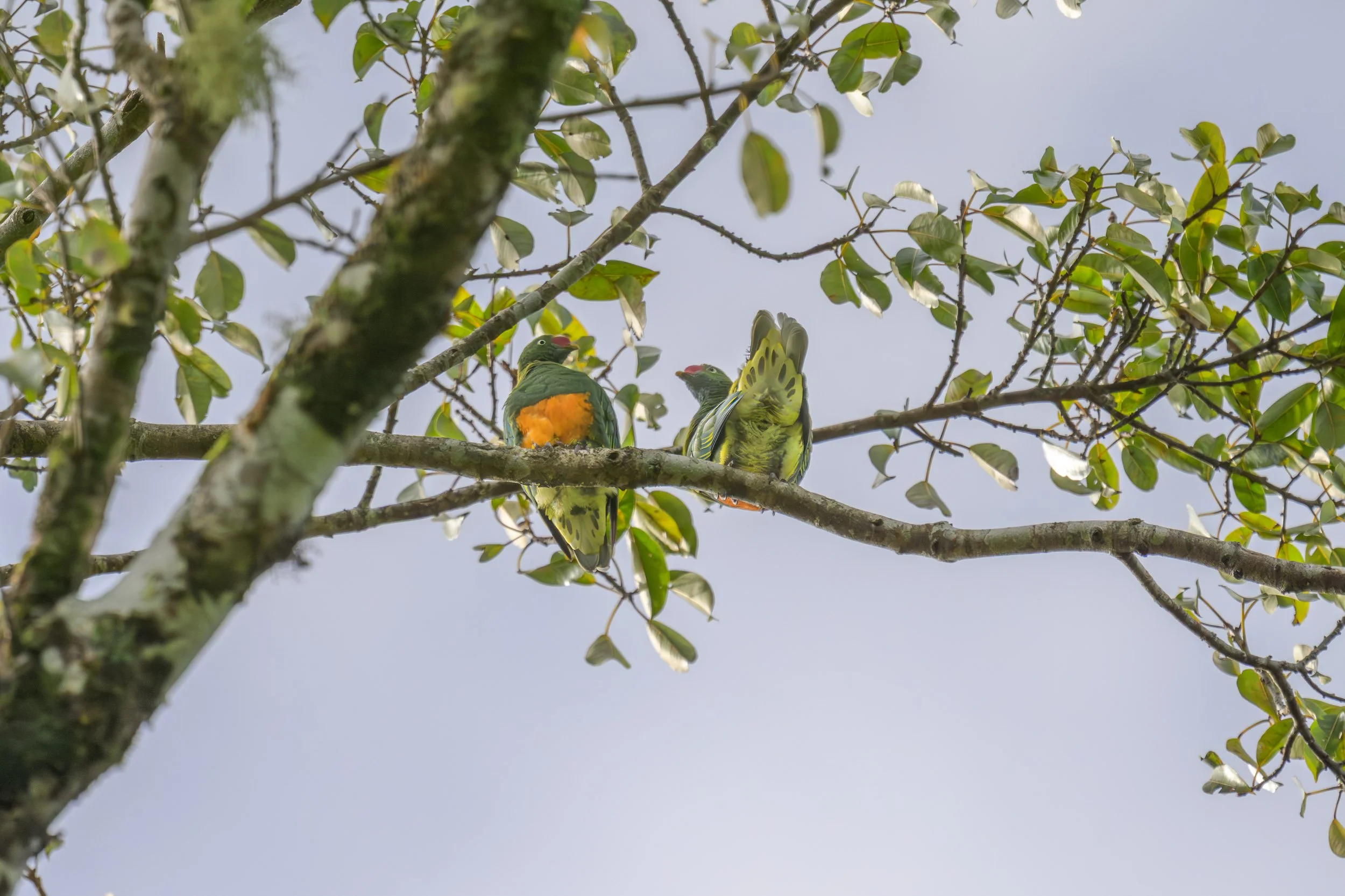
Two Knobbed Fruit-Doves (Ptilinopus insolitus) perched on a branch in inland Pomio, East New Britain, Papua New Guinea. Endemic to the Bismarck Archipelago, the species inhabits lowland and hill forests and feeds primarily on fruit.
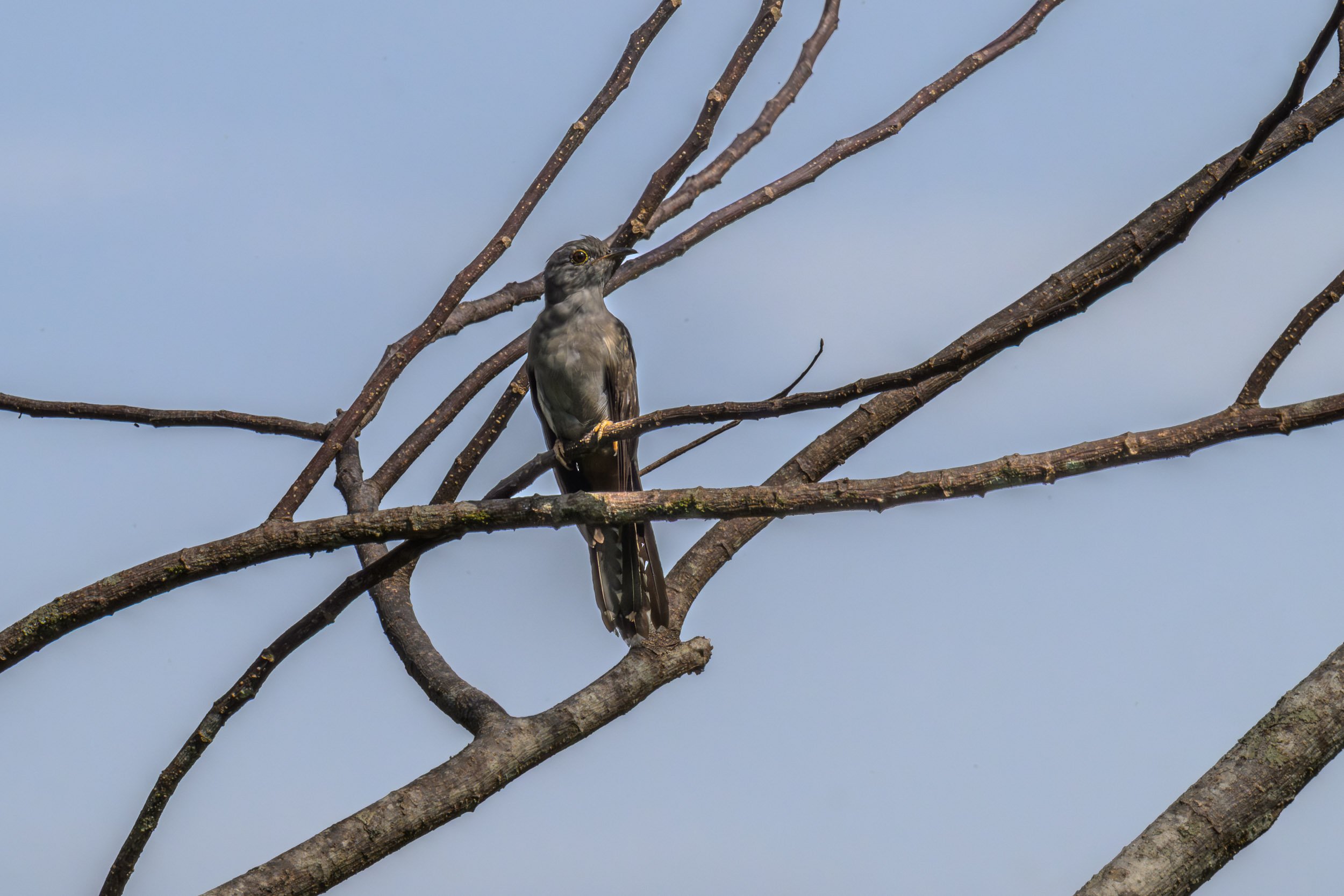
A Sahul Brush Cuckoo (Cacomantis variolosus macrocercus) perched in inland Pomio, East New Britain, Papua New Guinea. The subspecies macrocercus occurs on New Britain, New Ireland and nearby islands.
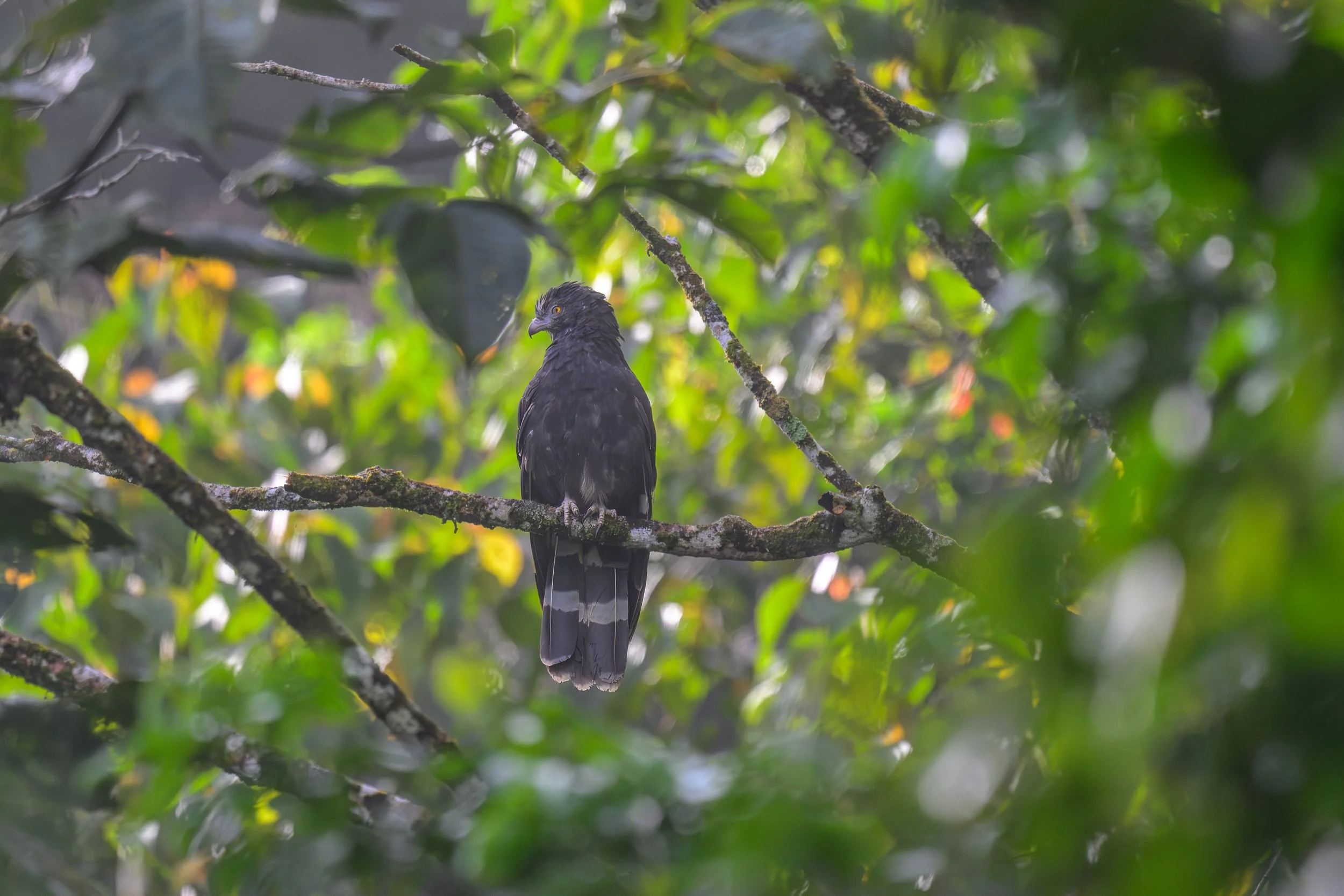
A New Britain Honey-buzzard (Henicopernis infuscatus) perched on a branch in inland Pomio, East New Britain, Papua New Guinea. Endemic to New Britain, the species is listed as Vulnerable on the IUCN Red List.
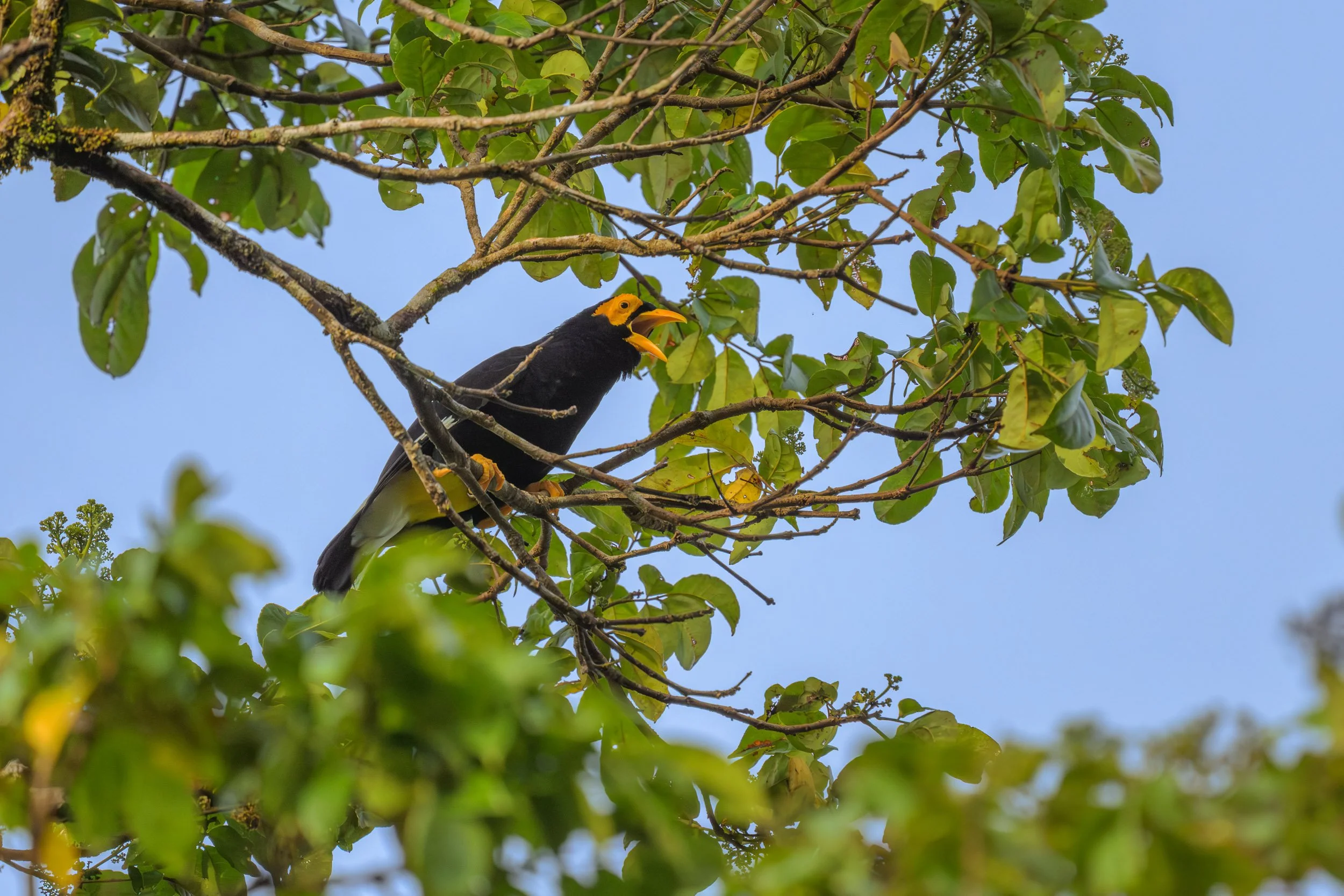
A Long-tailed Myna (Mino kreffti) perched in inland Pomio, East New Britain, Papua New Guinea.
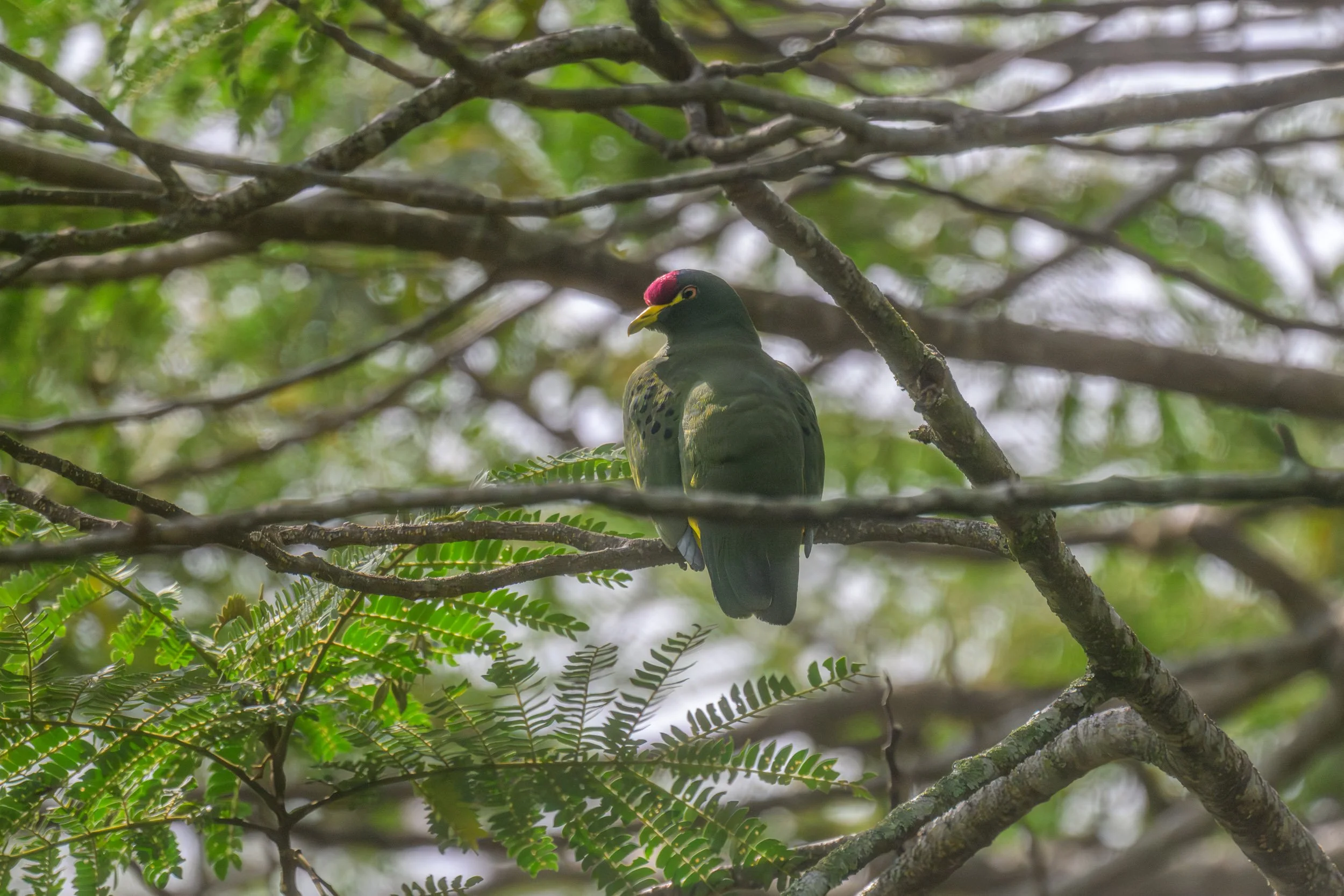
A male White-bellied Fruit-Dove (Ptilinopus insularis) perched in inland Pomio, East New Britain, Papua New Guinea. Endemic to the Bismarck Archipelago, the species occurs on New Britain and New Ireland.
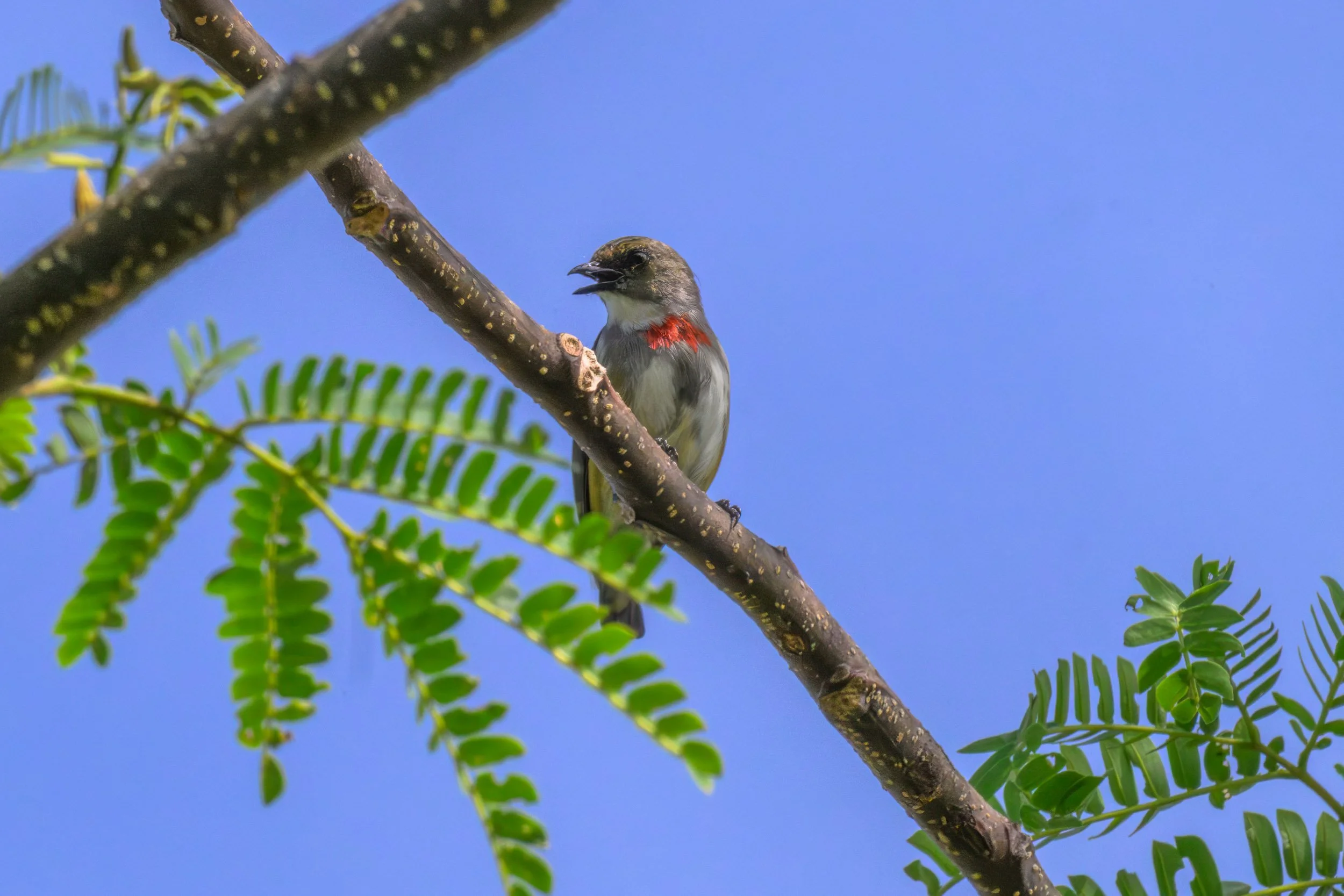
A male Red-banded Flowerpecker (Dicaeum eximium) perched in inland Pomio, East New Britain, Papua New Guinea. Endemic to the Bismarck Archipelago.
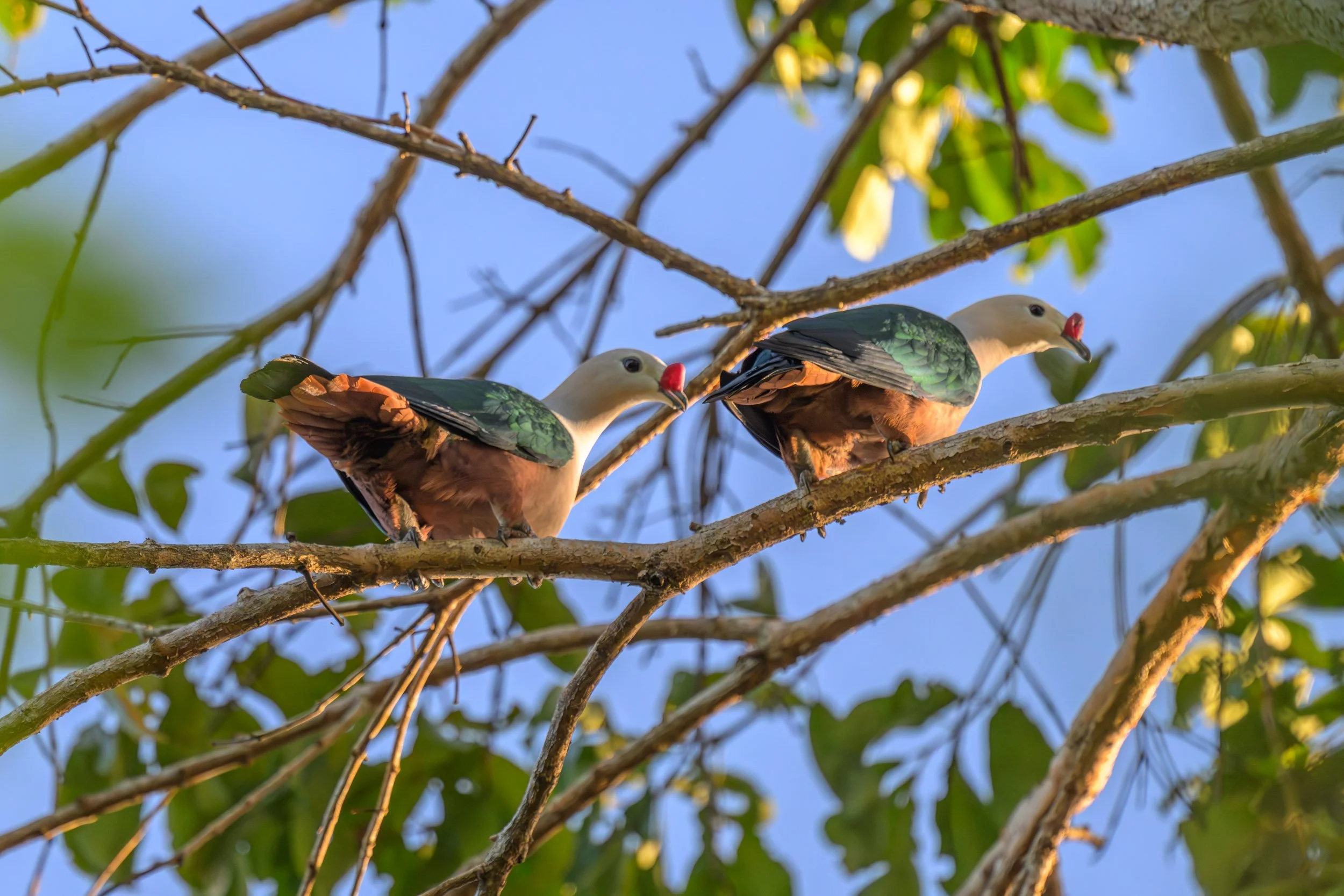
Two Red-knobbed Imperial-Pigeons (Ducula rubricera) perched in a tree near Sahalil, Pomio District, East New Britain, Papua New Guinea.
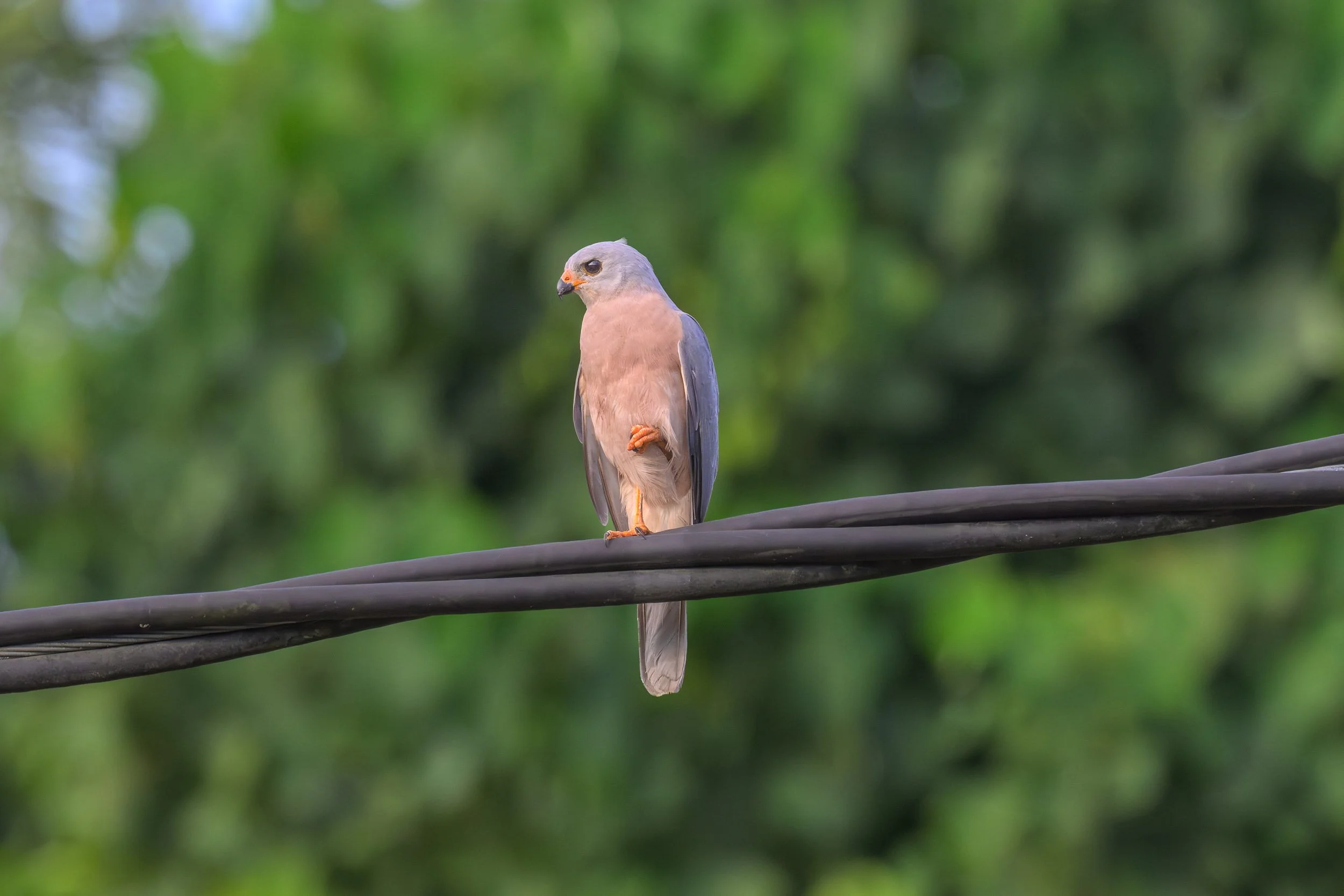
An adult Variable Goshawk (Tachyspiza hiogaster dampieri), one of 22 recognised subspecies, perched on an electricity line at an oil palm plantation in Pomio, Papua New Guinea.
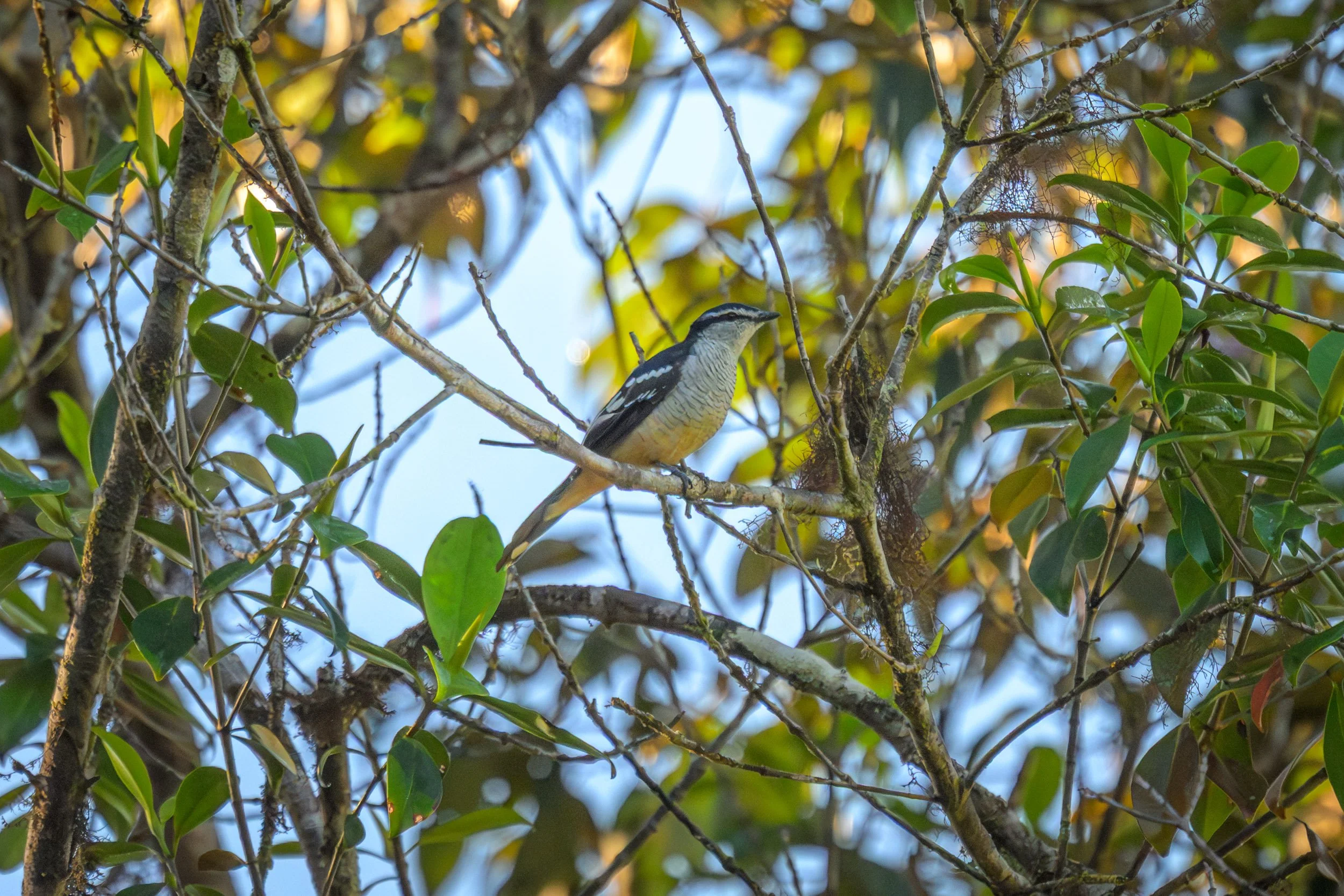
A Varied Triller (Lalage leucomela) perched in inland Pomio, East New Britain, Papua New Guinea.
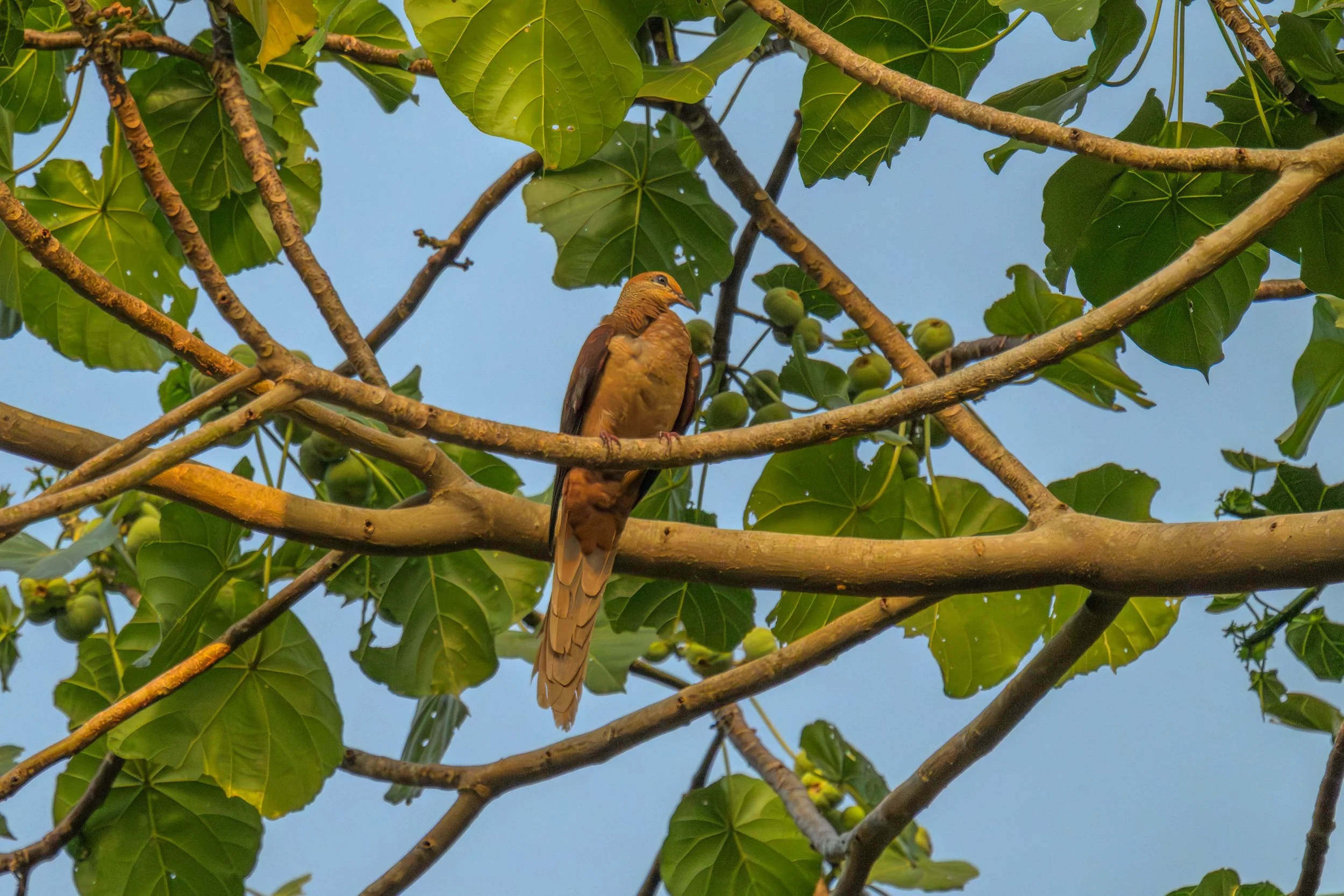
An Amboyna Cuckoo-Dove (Macropygia amboinensis) perched in a tree near Palmalmal, East New Britain, Papua New Guinea.
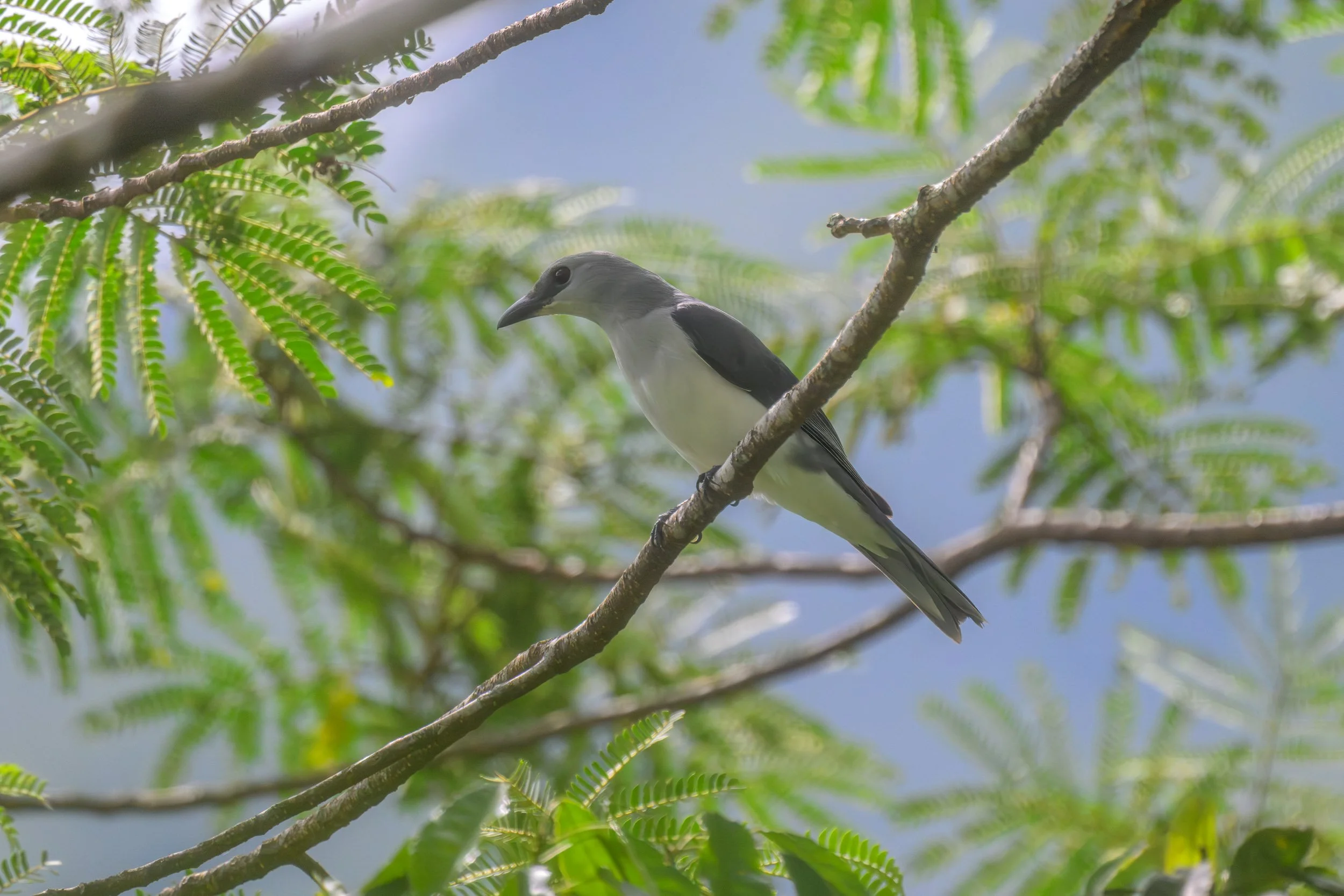
A White-bellied Cuckooshrike (Coracina papuensis) perched in inland Pomio, East New Britain, Papua New Guinea.
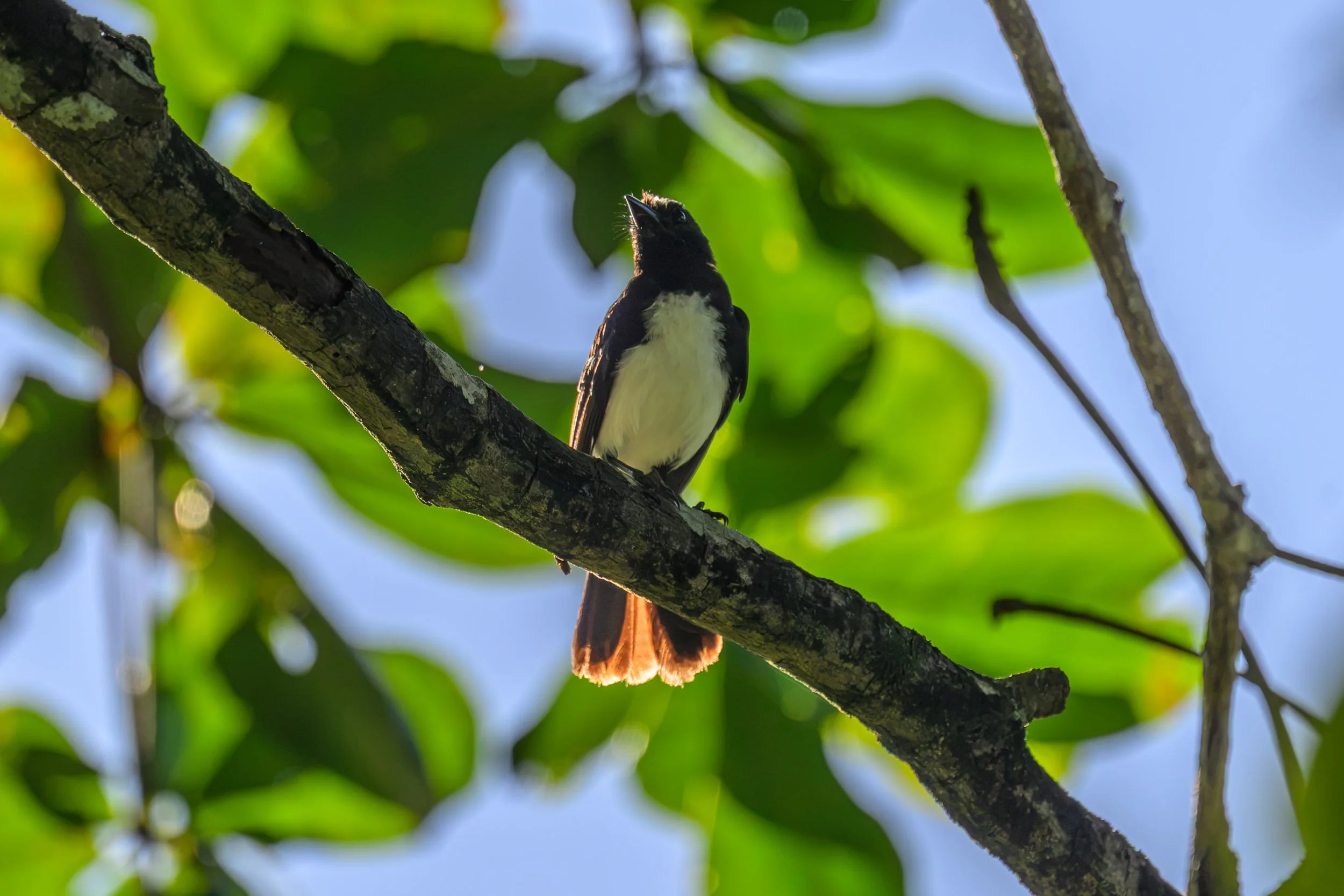
A Willie Wagtail (Rhipidura leucophrys) photographed in Pomio District, East New Britain, Papua New Guinea.
New Ireland and northern islands
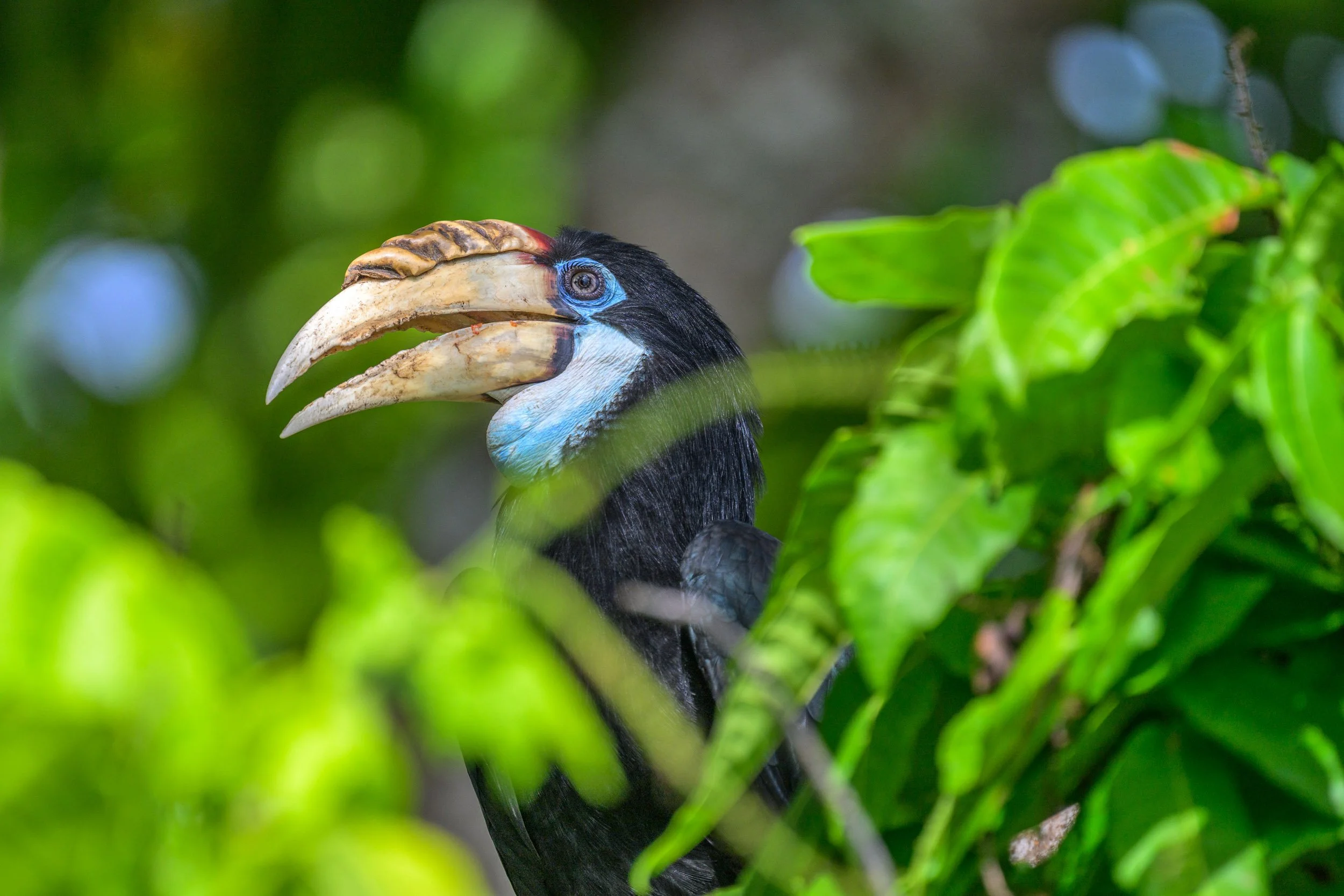
Portrait of a wild but habituated Blyth’s Hornbill (Rhyticeros plicatus) on the grounds of a resort near Kavieng, New Ireland, Papua New Guinea.
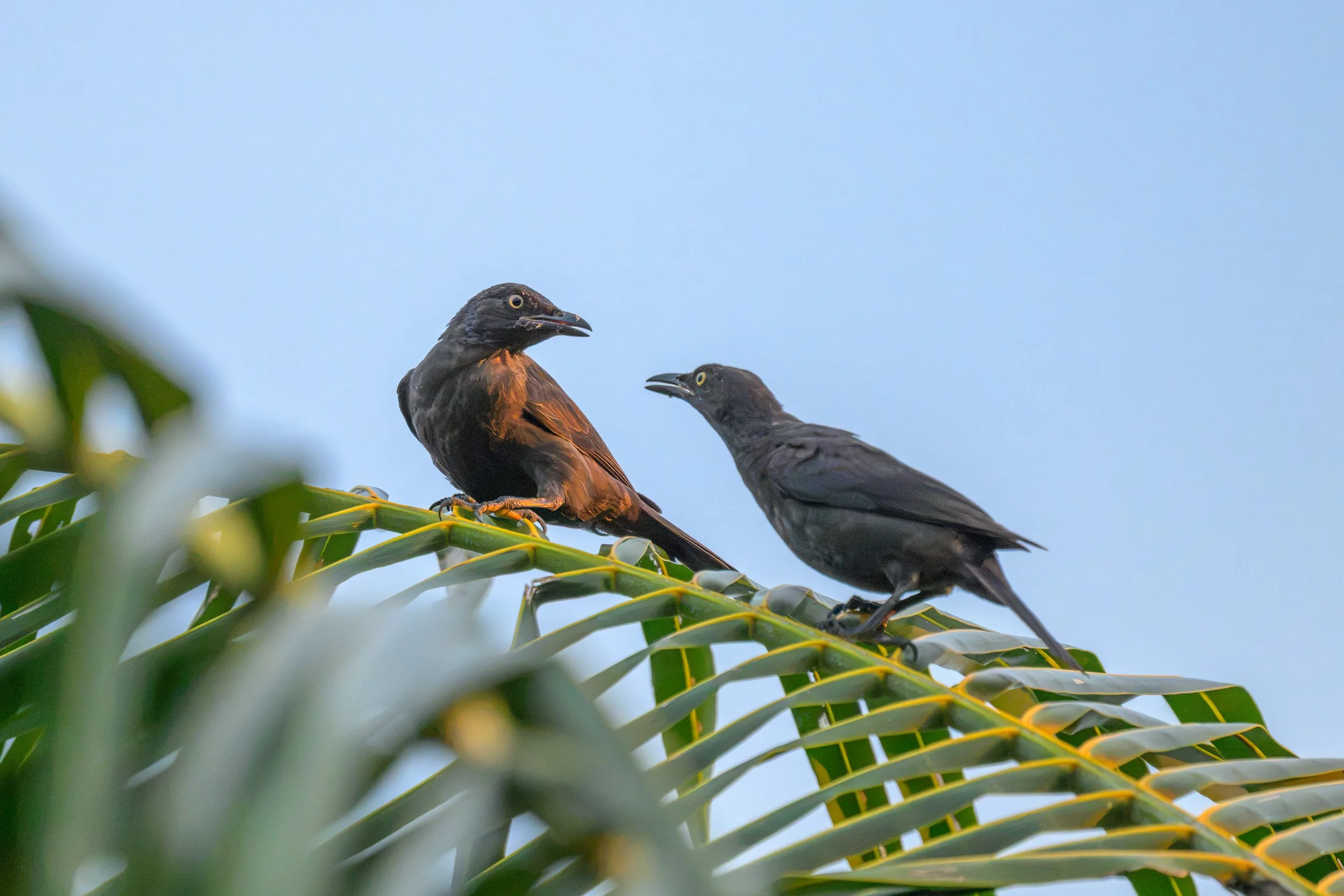
Atoll Starlings (Aplonis feadensis heureka) on Tench Island within the Murat Marine Protected Area, Papua New Guinea. The species is listed as Near Threatened on the IUCN Red List.
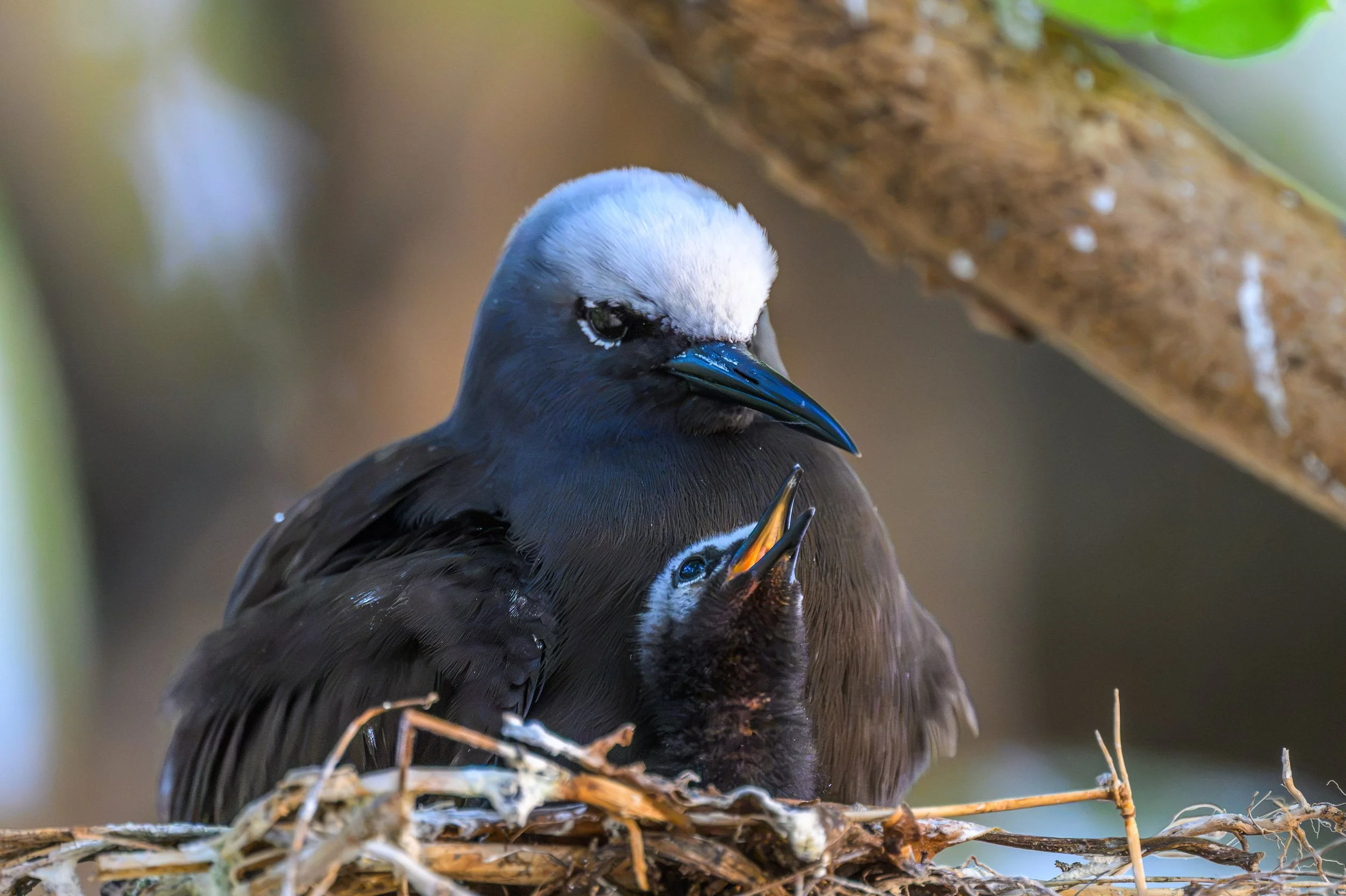
A Black Noddy (Anous minutus) with its chick in a nest on Tench Island, an important breeding site in New Ireland Province, Papua New Guinea.
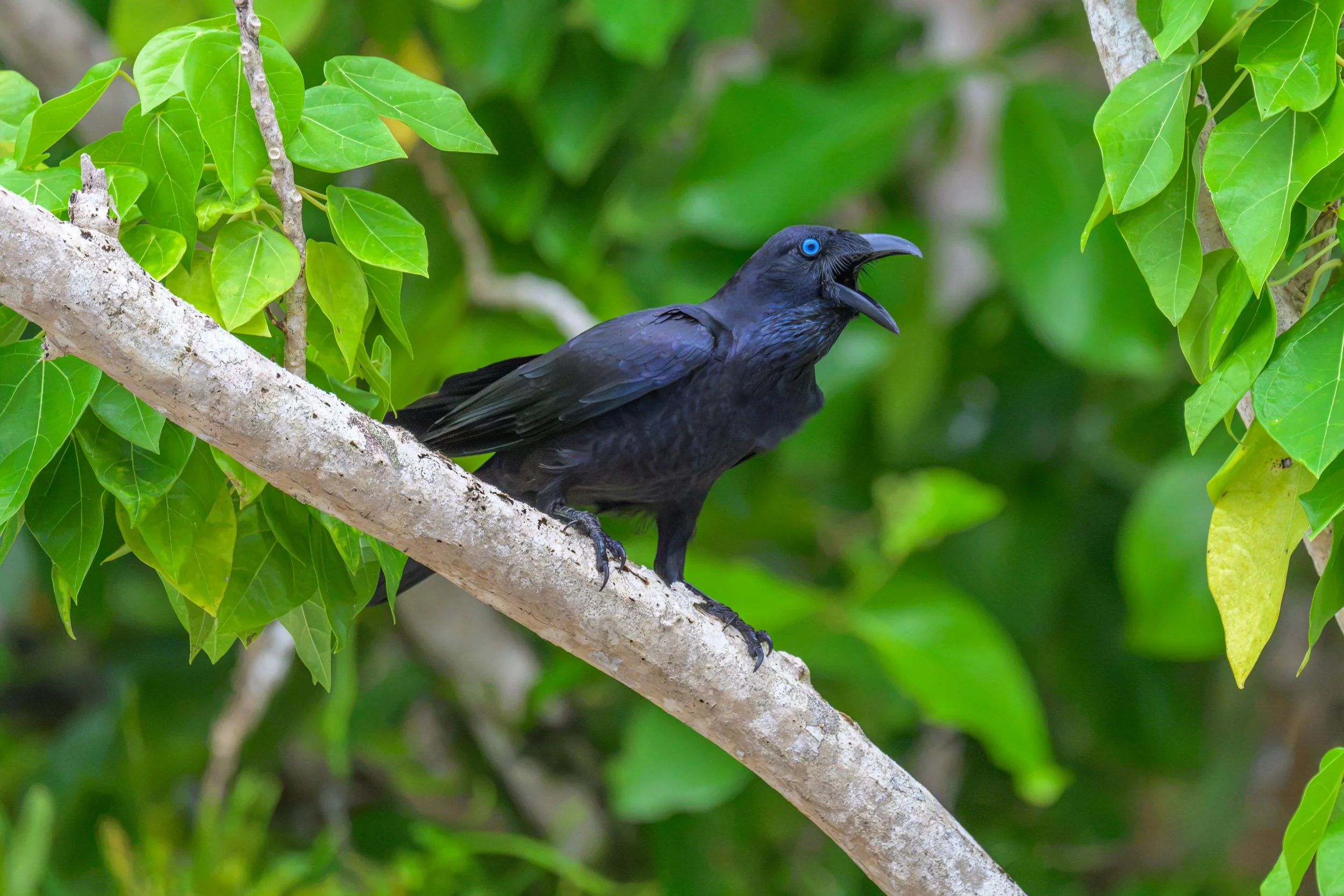
A Bismarck Crow (Corvus insularis) calling from a tree on New Ireland, Papua New Guinea.
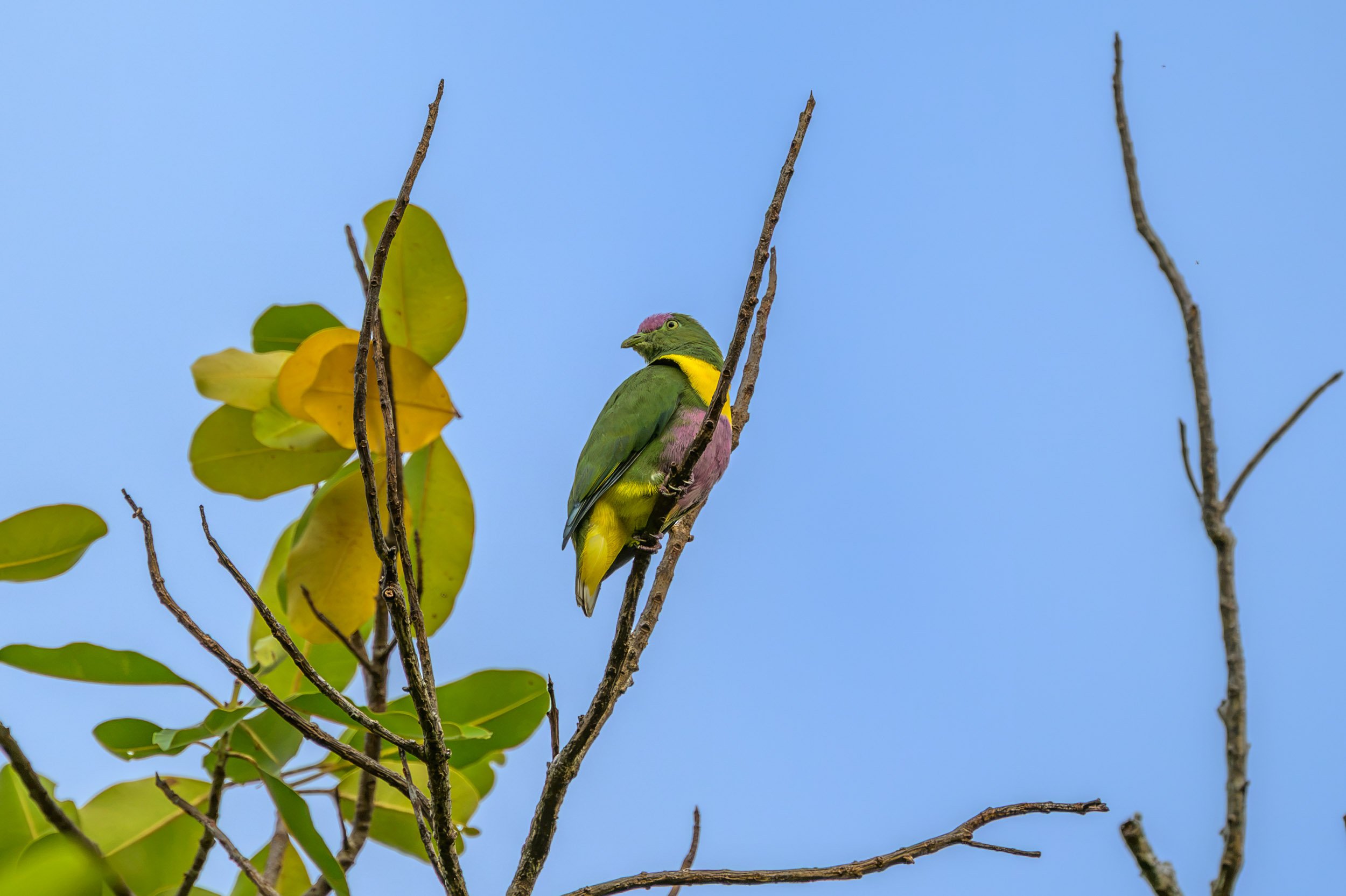
A Yellow-bibbed Fruit-Dove (Ptilinopus solomonensis johannis) photographed on Mussau Island, New Ireland Province, Papua New Guinea. The species is restricted to the Bismarck and Solomon archipelagos.
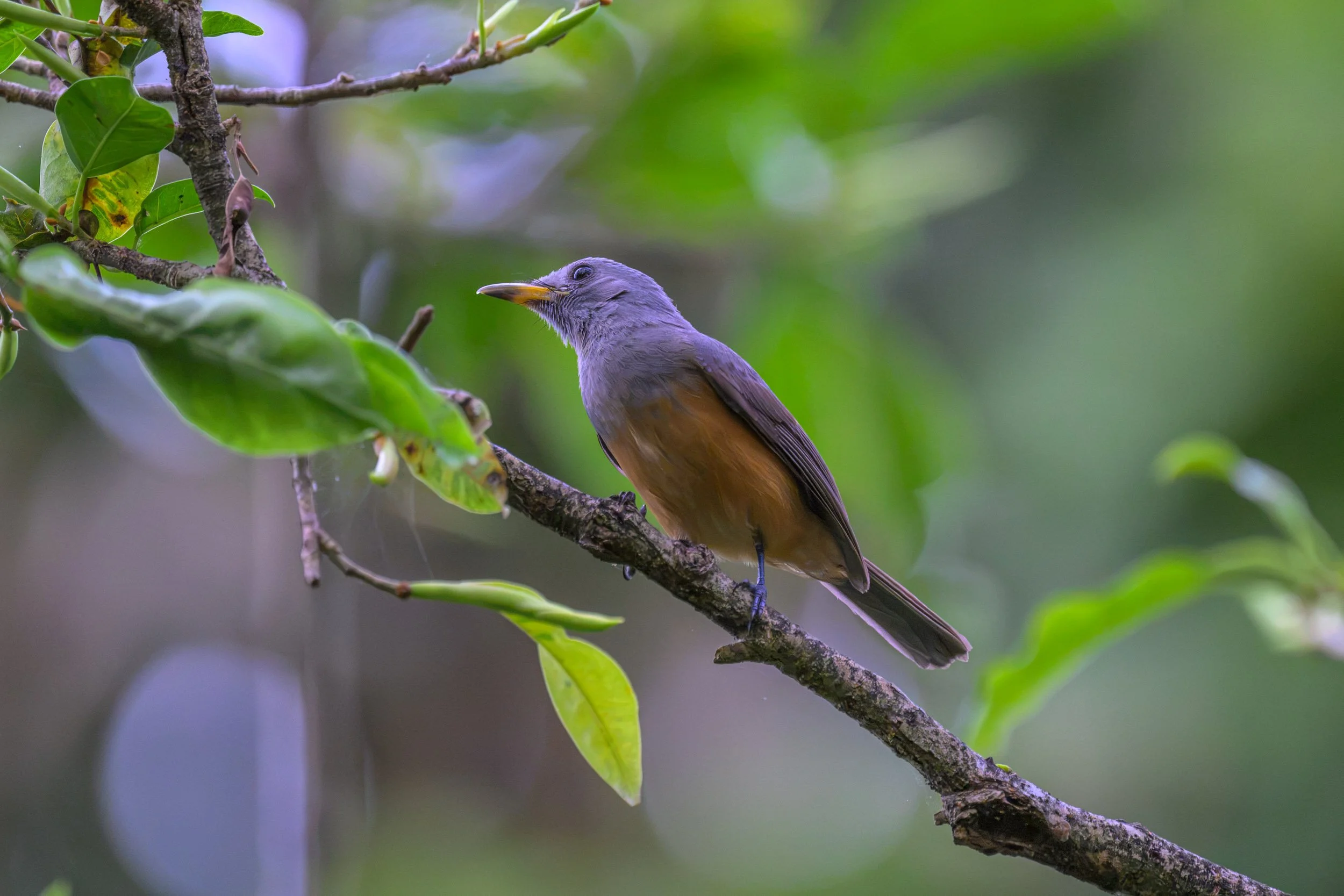
Island Monarch (Monarcha cinerascens perpallidus) perched on Tench Island, New Ireland Province, Papua New Guinea.
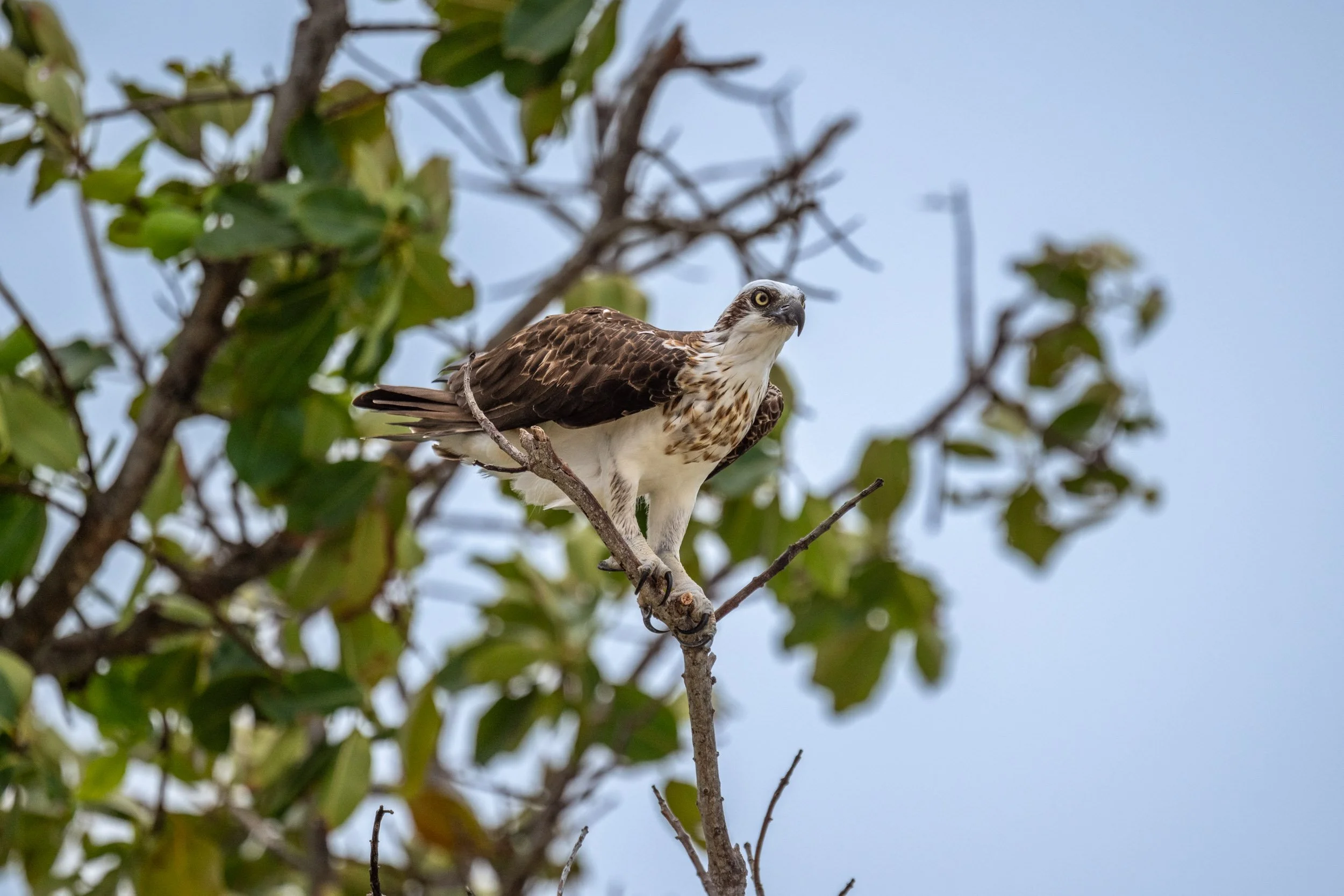
An Osprey (Pandion haliaetus cristatus) perched on a small island north of Kavieng, New Ireland, Papua New Guinea.
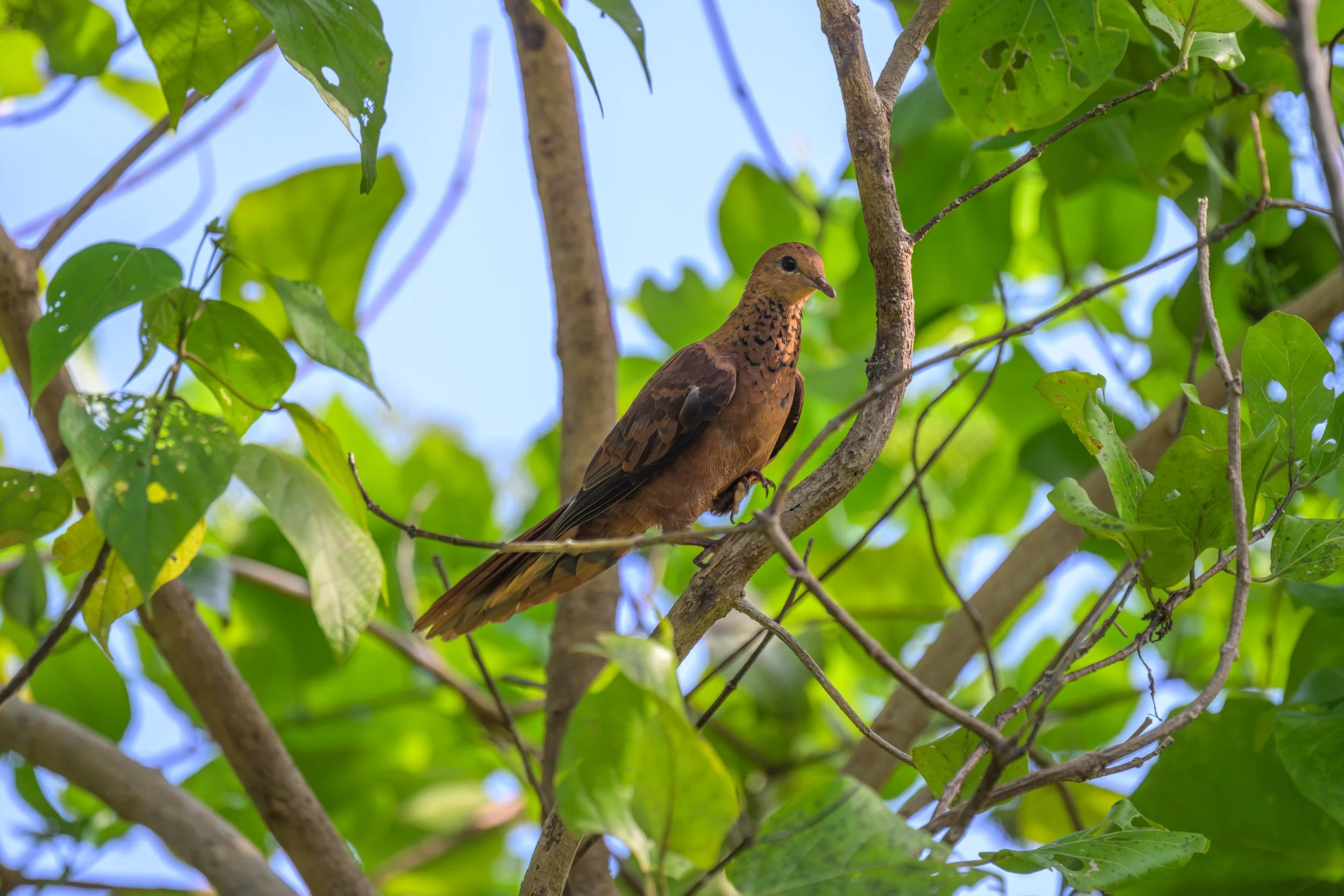
A Spot-breasted Cuckoo-Dove (Macropygia mackinlayi arossi), also known as MacKinlay’s Cuckoo-Dove, perched on Mussau Island, Papua New Guinea.
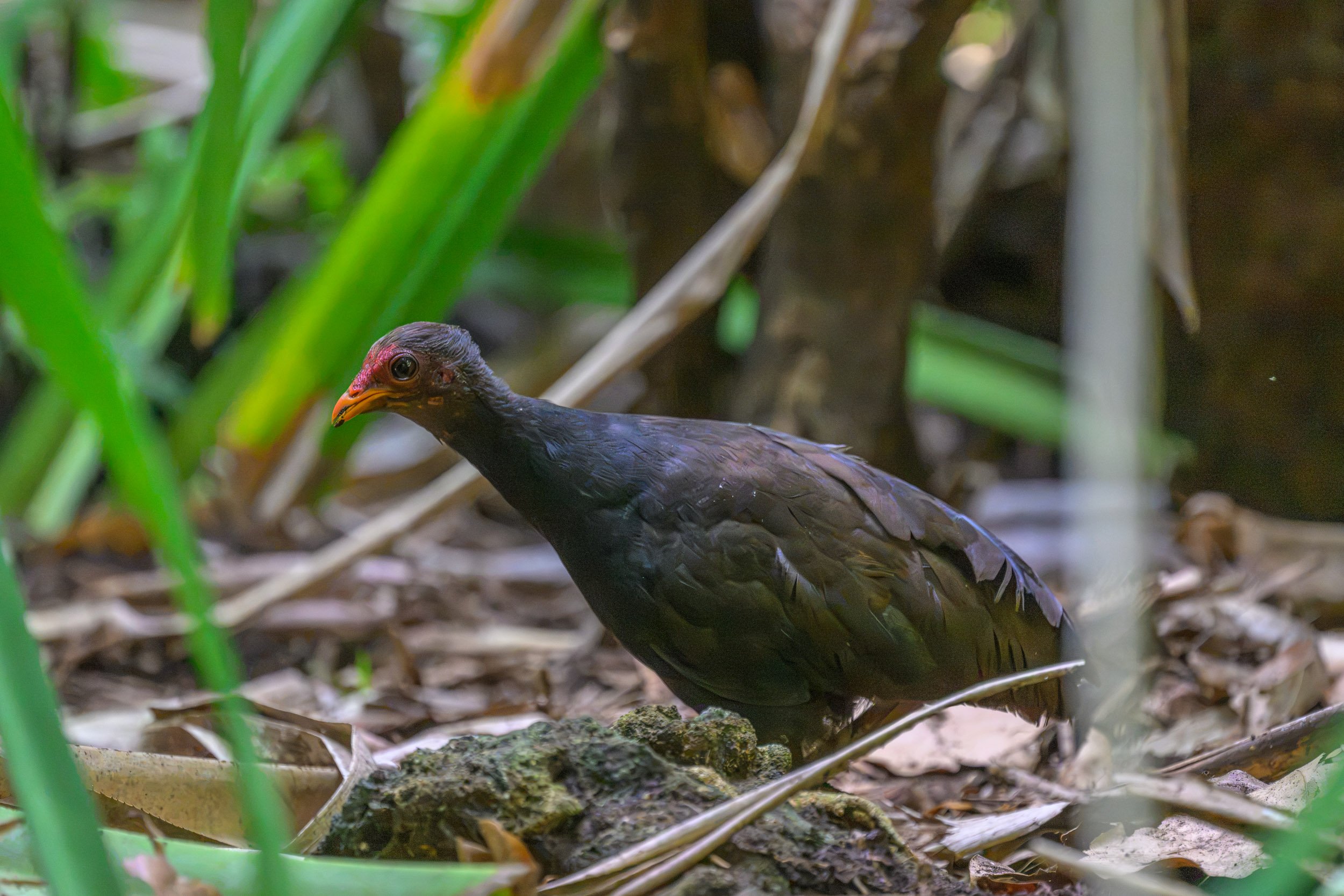
A Melanesian Megapode (Megapodius eremita) on Tench Island within the Murat Marine Protected Area, Papua New Guinea.
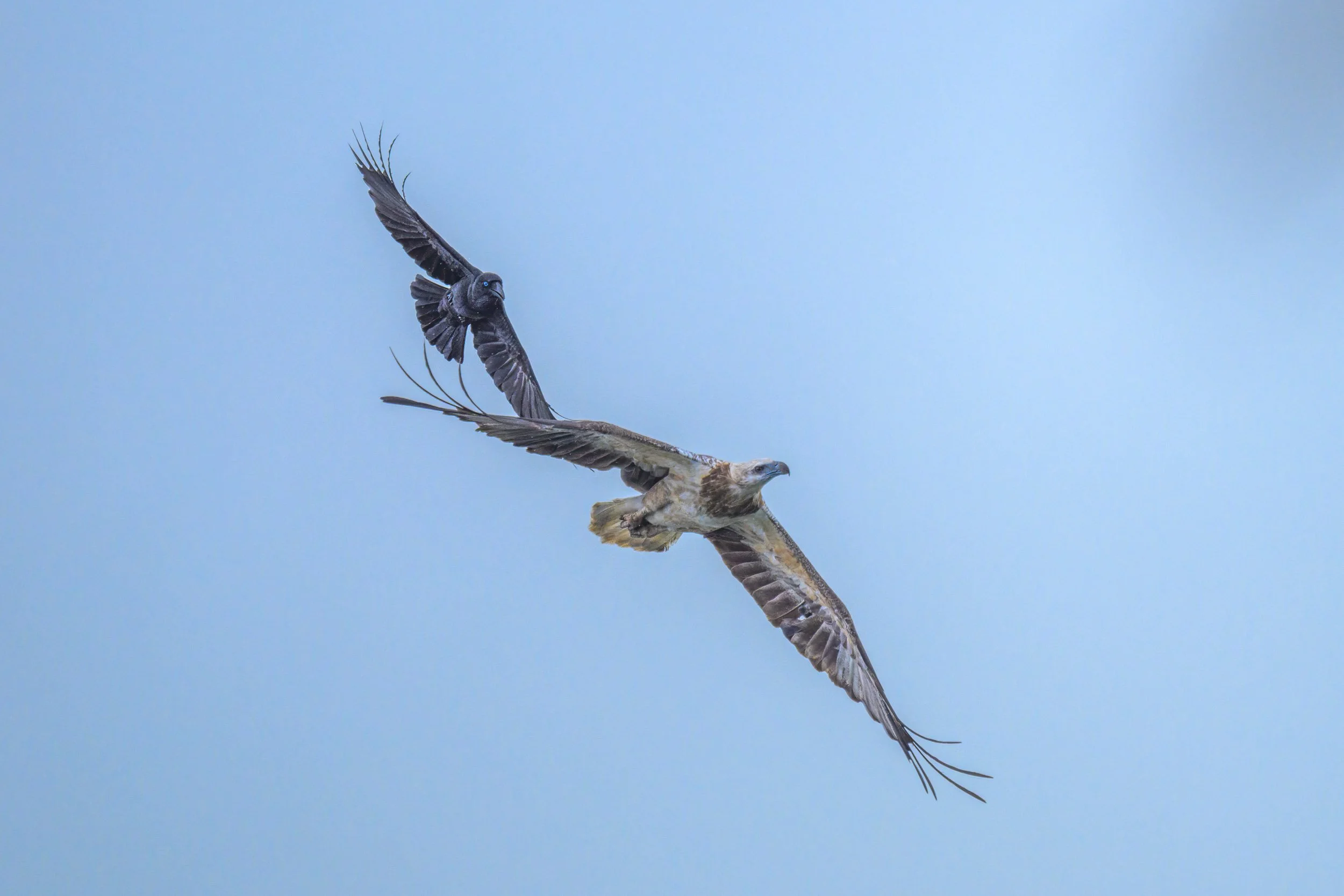
A Bismarck Crow (Corvus insularis) mobbing a White-bellied Sea-Eagle (Icthyophaga leucogaster) near Kavieng, New Ireland, Papua New Guinea.
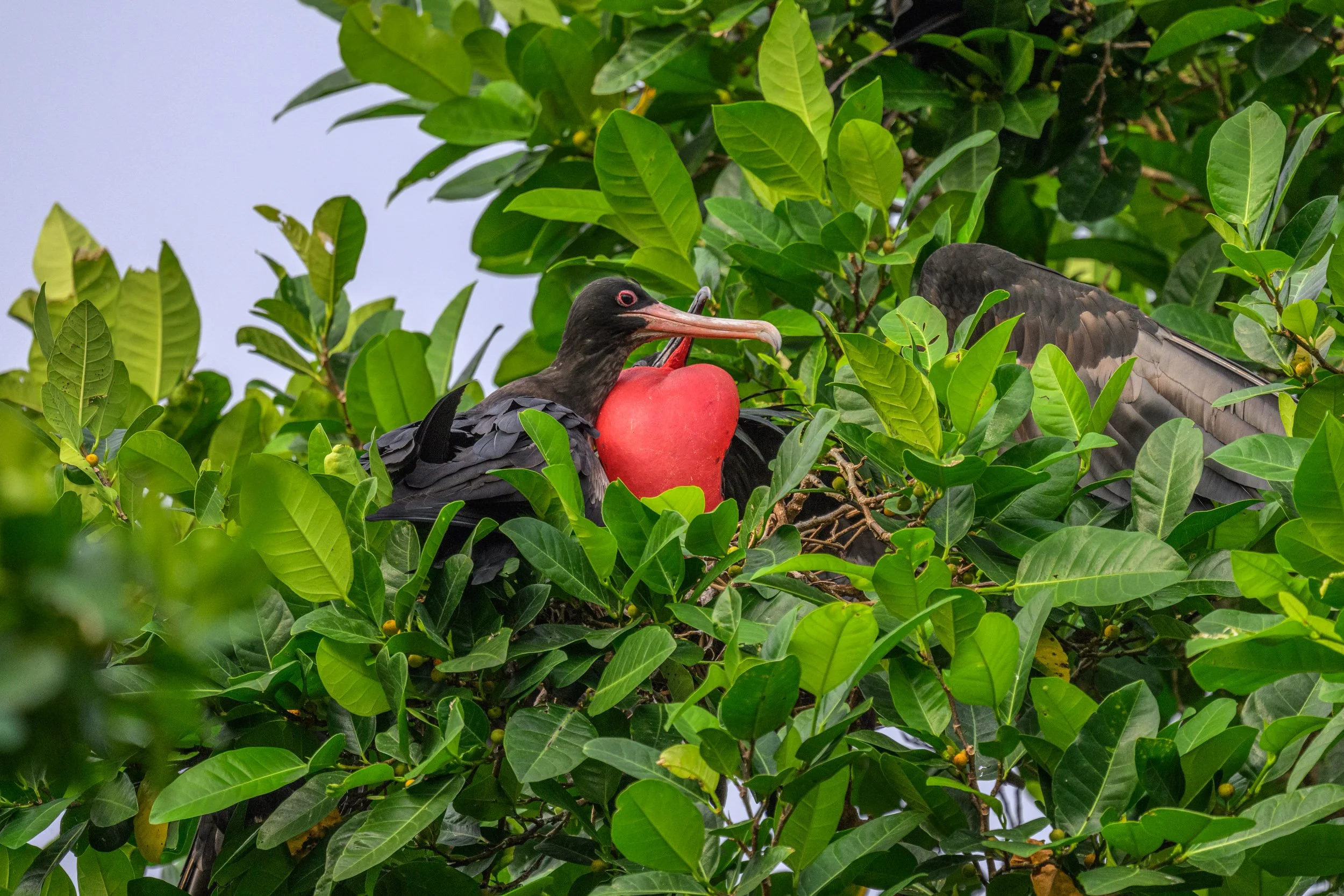
Two Great Frigatebirds (Fregata minor) displaying during courtship on Tench Island, an important breeding site within the Murat Marine Protected Area, Papua New Guinea.
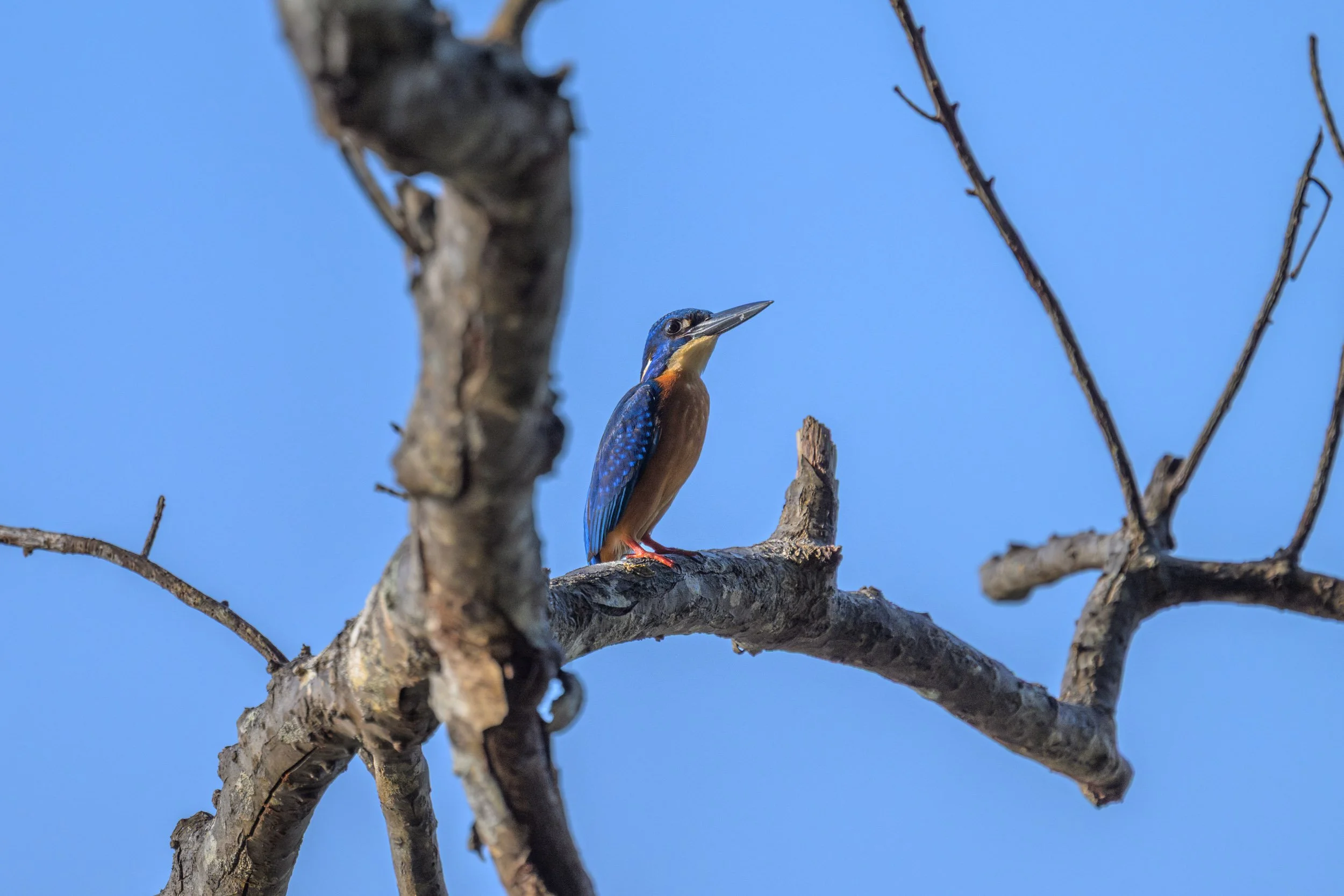
A Common Kingfisher (Alcedo atthis hispidoides) photographed along the coast of Mussau Island, New Ireland Province, Papua New Guinea.
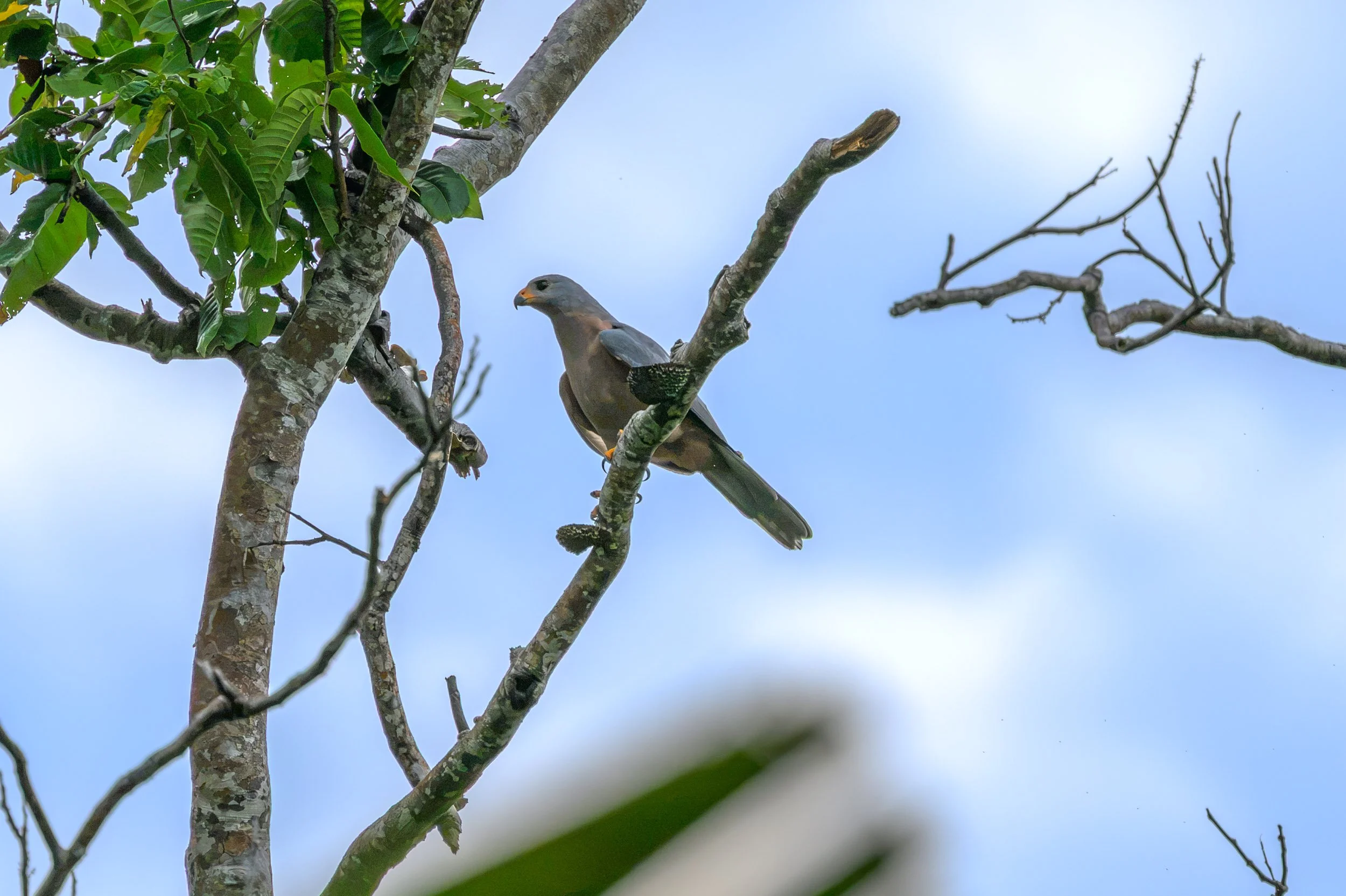
A Variable Goshawk (Tachyspiza hiogaster matthiae) perched on Mussau Island, New Ireland Province, Papua New Guinea. This subspecies is endemic to Mussau.
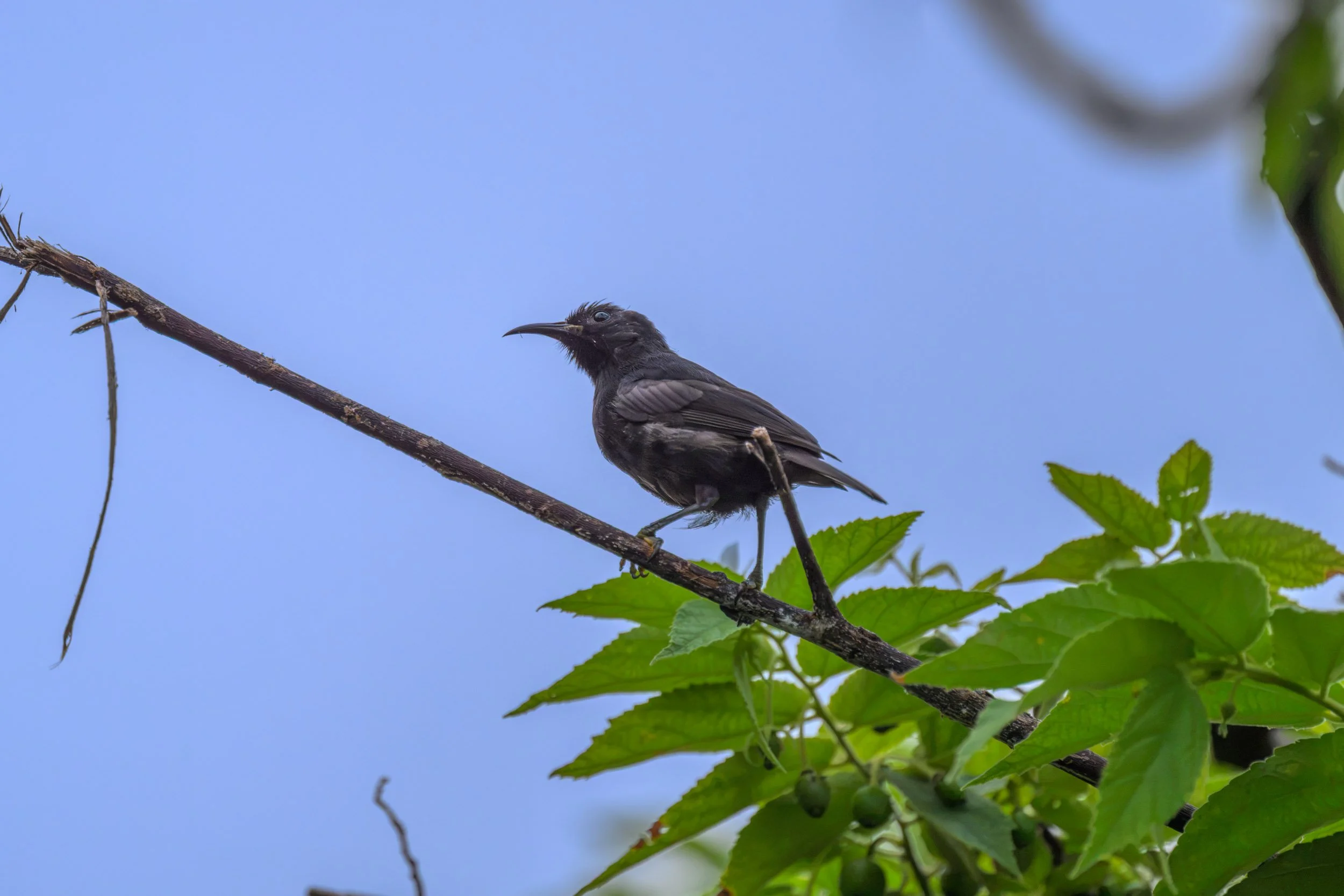
A Bismarck Black Myzomela (Myzomela pammelaena hades) perched on Tench Island, New Ireland Province, Papua New Guinea.
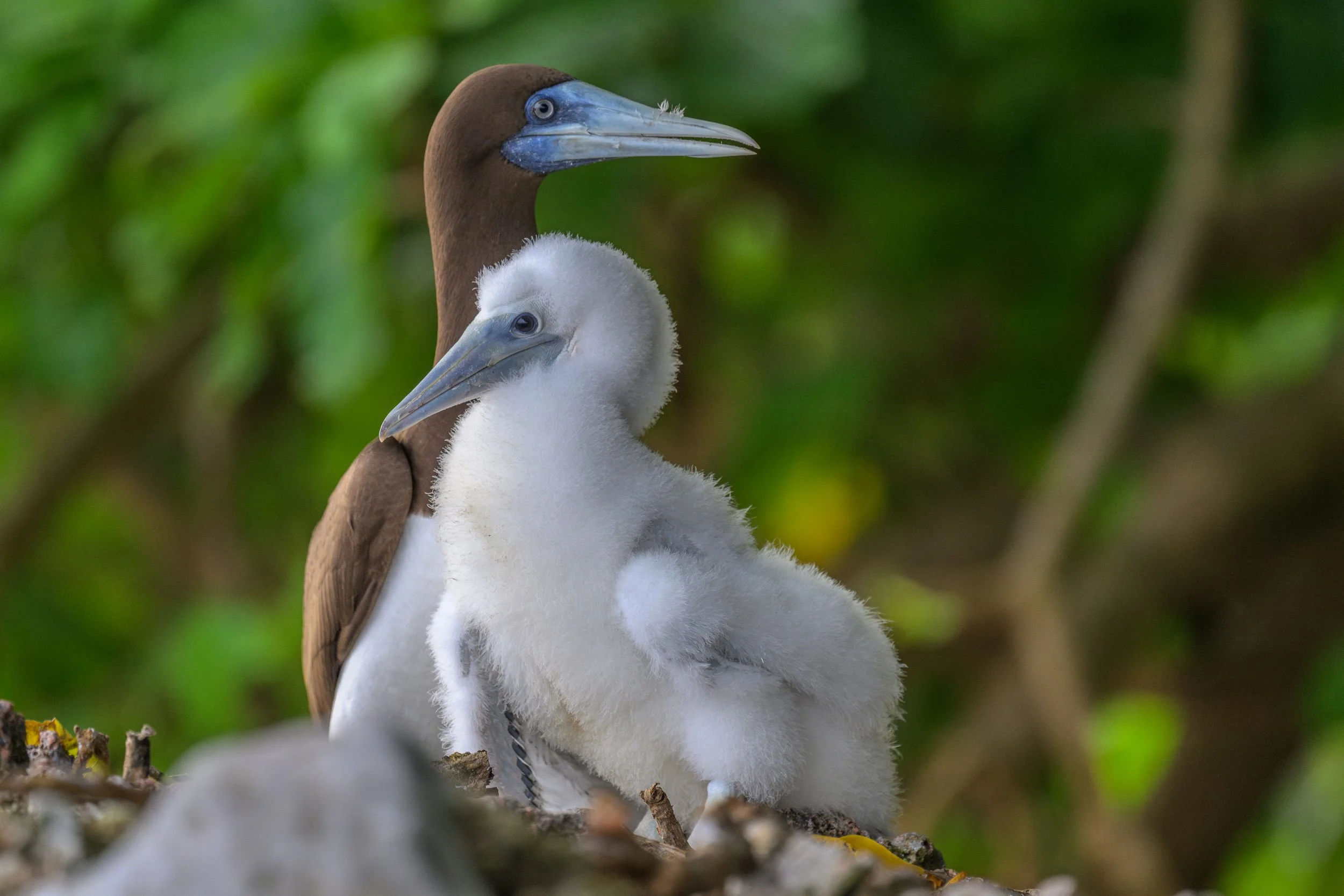
A Brown Booby (Sula leucogaster) with its chick on Tench Island within the Murat Marine Protected Area, Papua New Guinea.
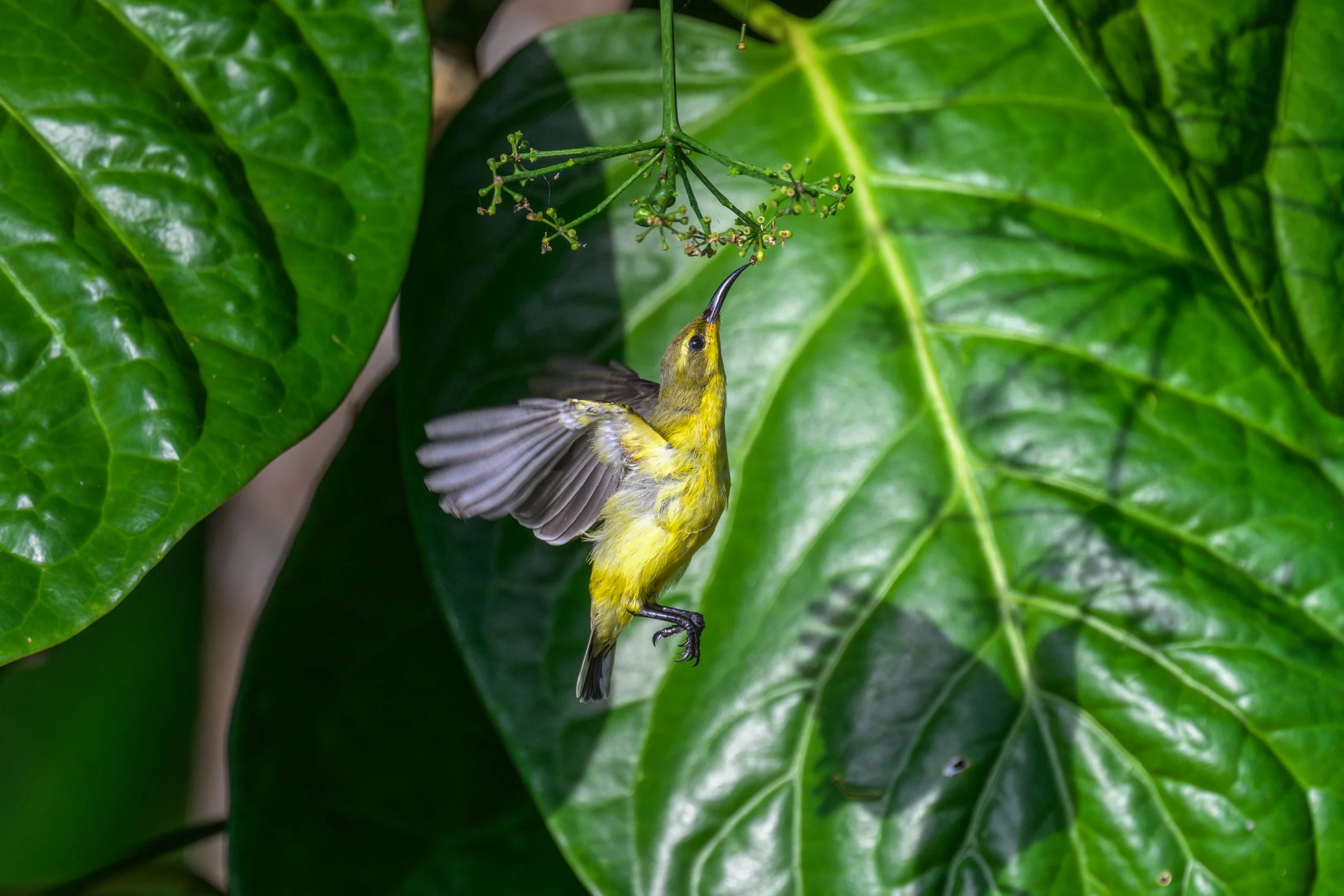
A Sahul Sunbird (Cinnyris frenatus flavigastra) foraging on Mussau Island, New Ireland Province, Papua New Guinea.
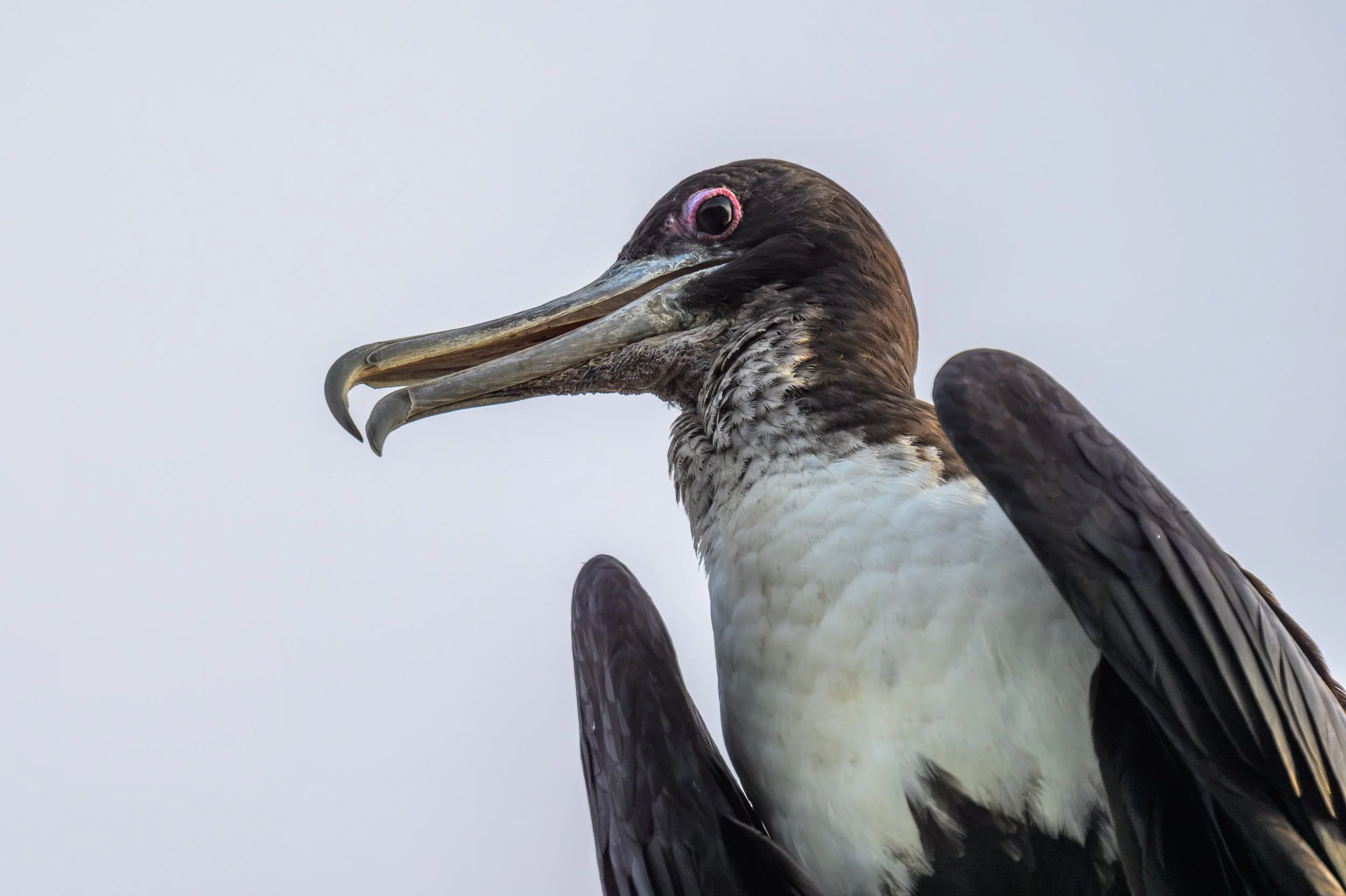
Portrait of a Great Frigatebird (Fregata minor) on Tench Island, an important breeding site in New Ireland Province, Papua New Guinea.
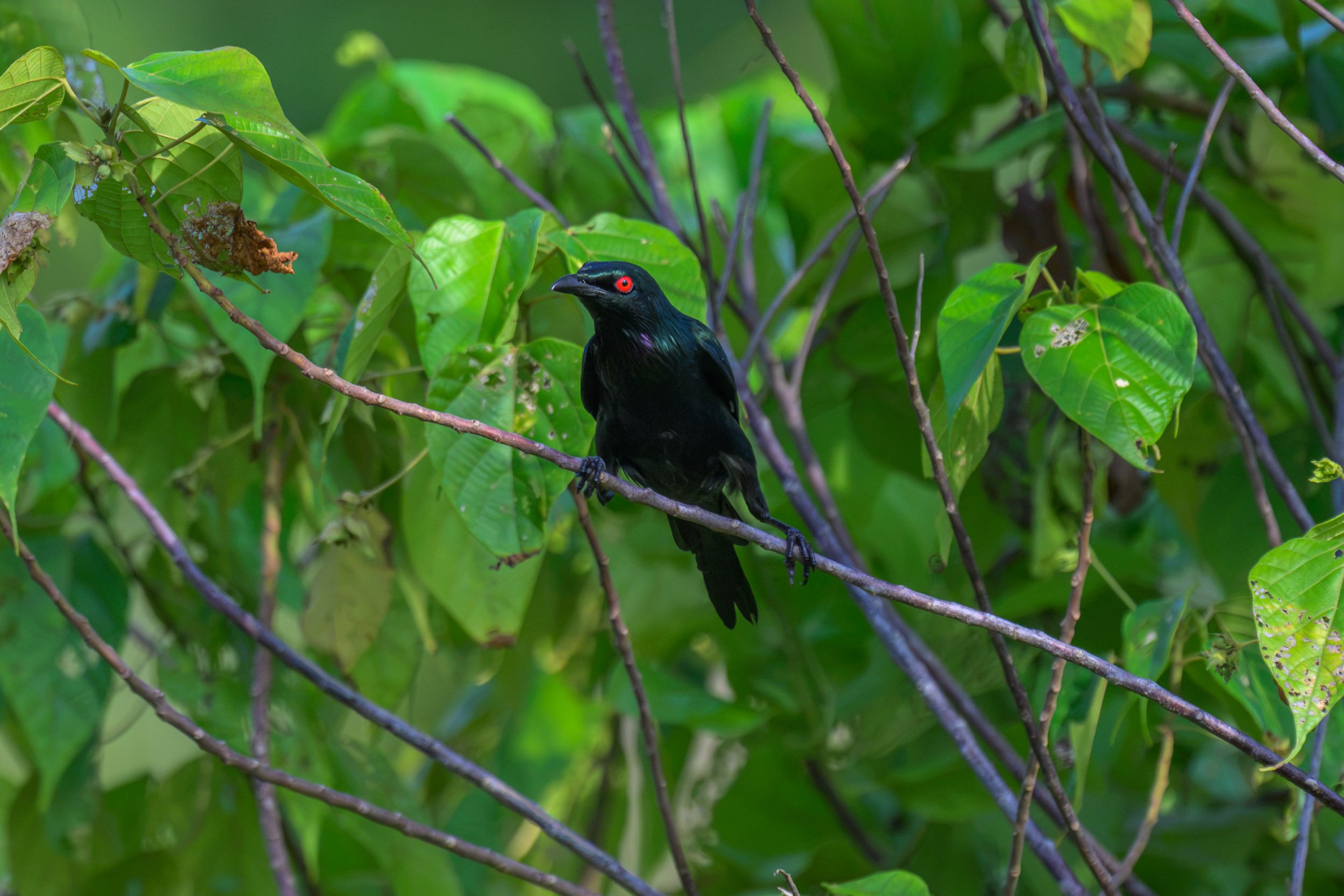
A Metallic Starling (Aplonis metallica nitida) perched on Mussau Island, New Ireland Province, Papua New Guinea.
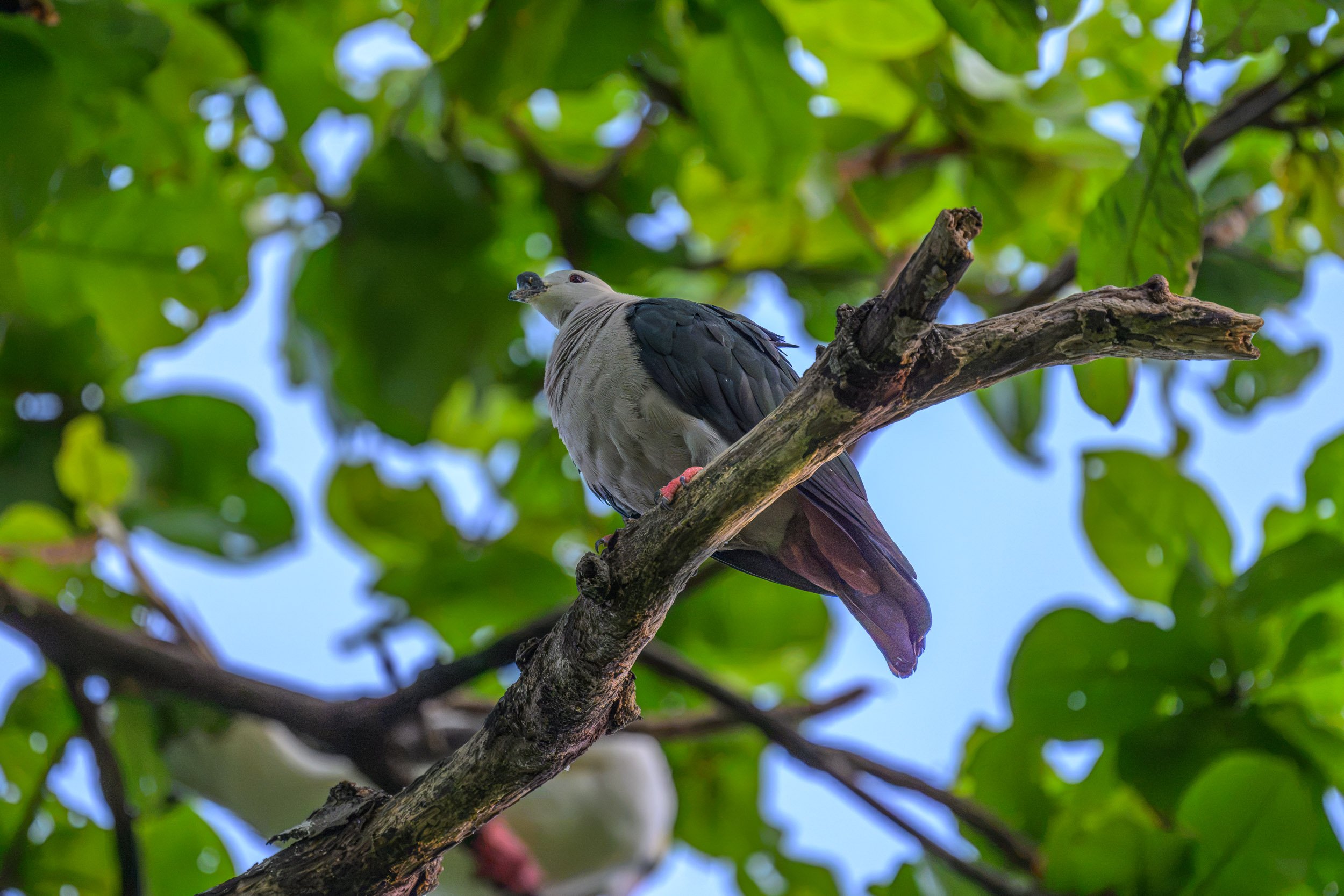
Portrait of a Pacific Imperial-Pigeon (Ducula pacifica) on Tench Island within the Murat Marine Protected Area, Papua New Guinea.
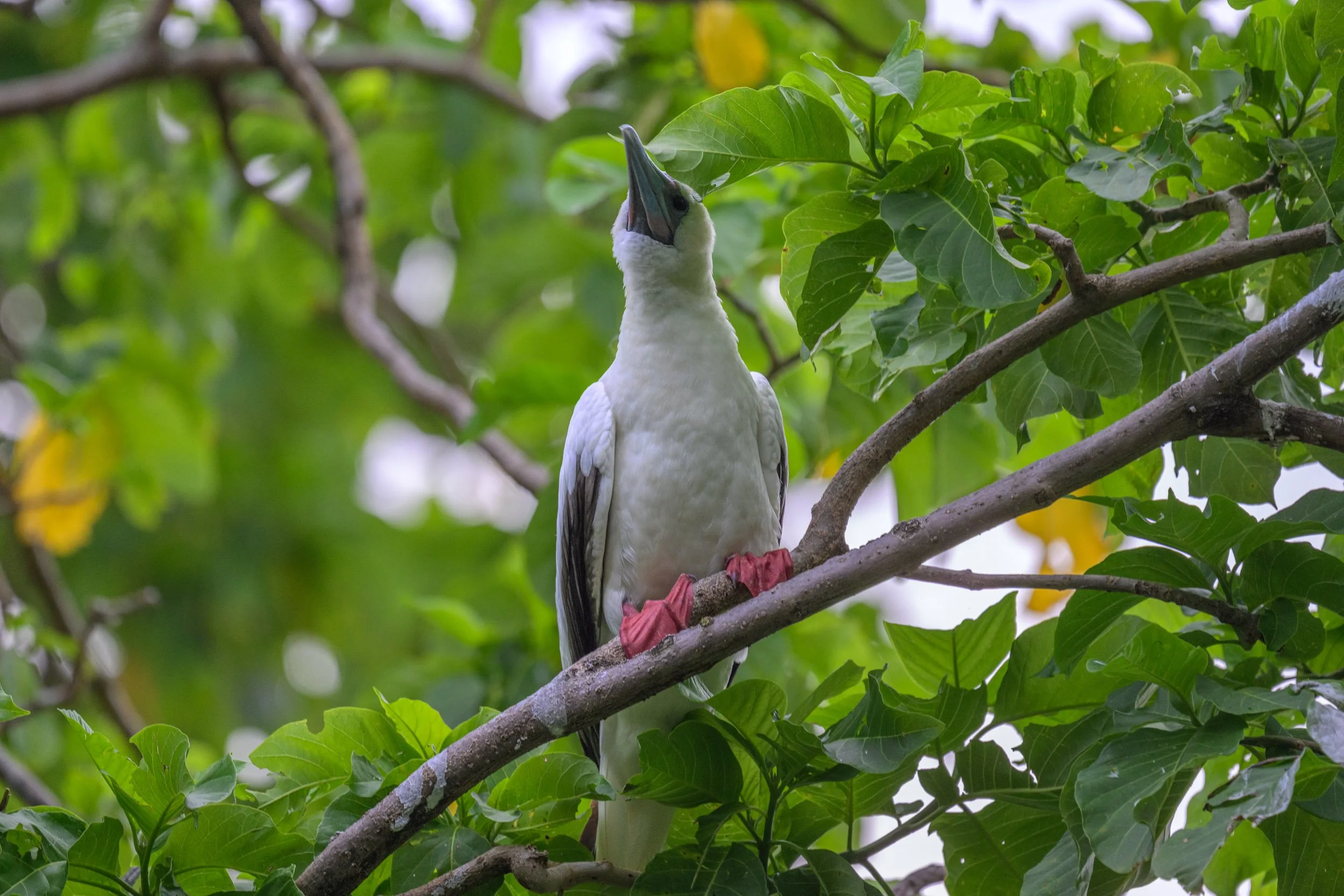
A white-morph Red-footed Booby (Sula sula) calling from a tree on Tench Island within the Murat Marine Protected Area, Papua New Guinea.
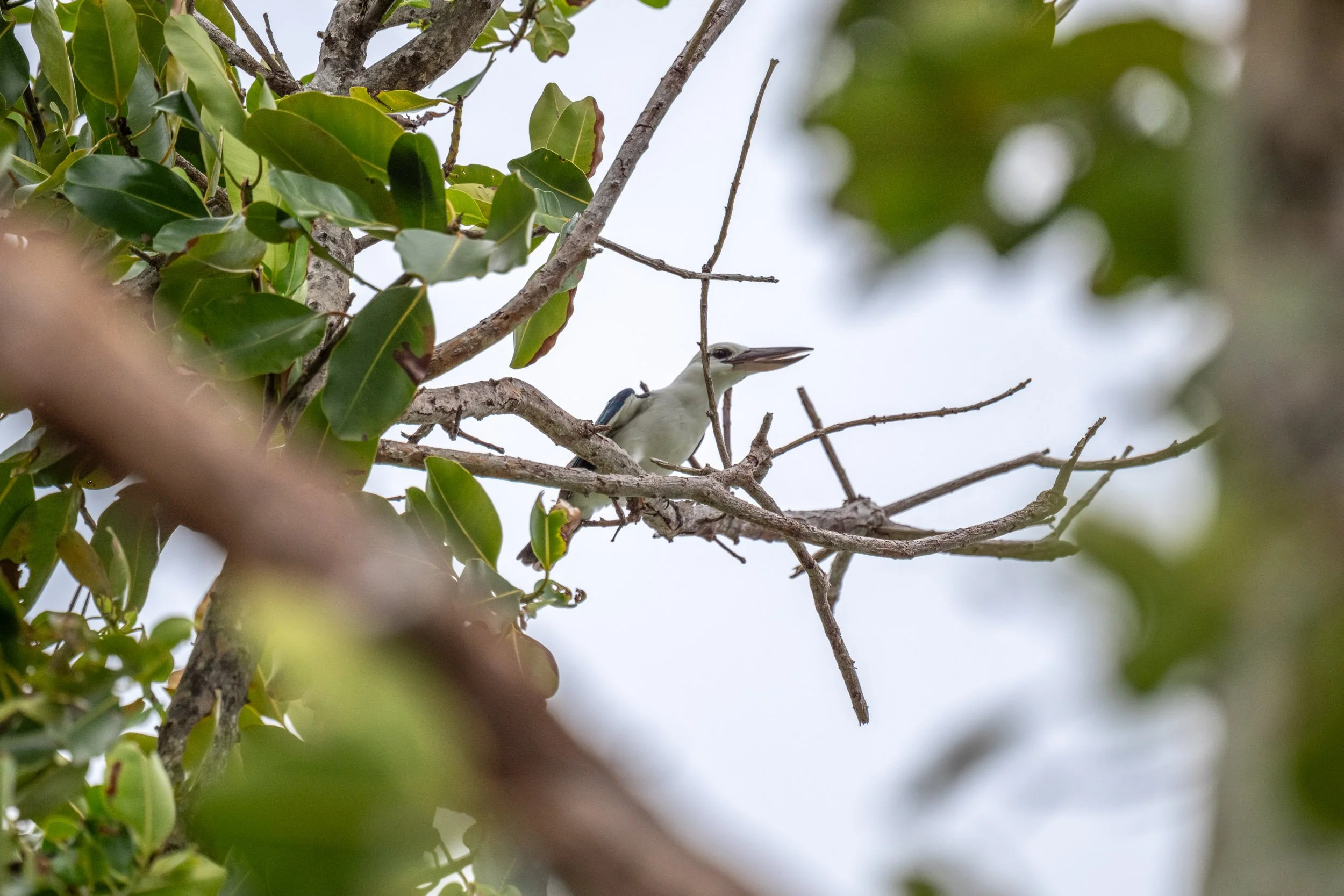
A Beach Kingfisher (Todiramphus saurophagus) perched on a small uninhabited island north of New Ireland, Papua New Guinea.
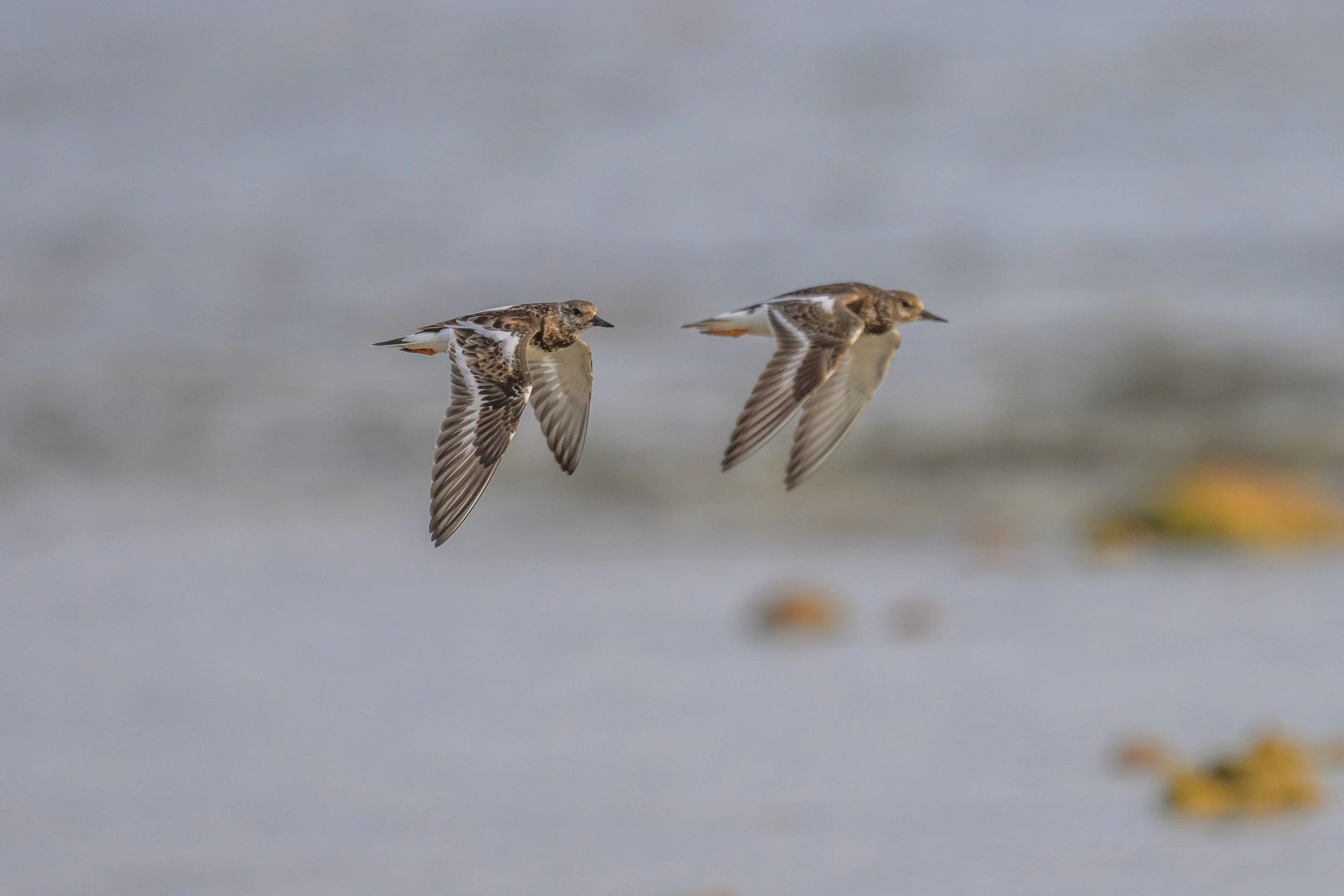
Two Ruddy Turnstones (Arenaria interpres) flying over the shallow waters of Tench Island within the Murat Marine Protected Area, Papua New Guinea.
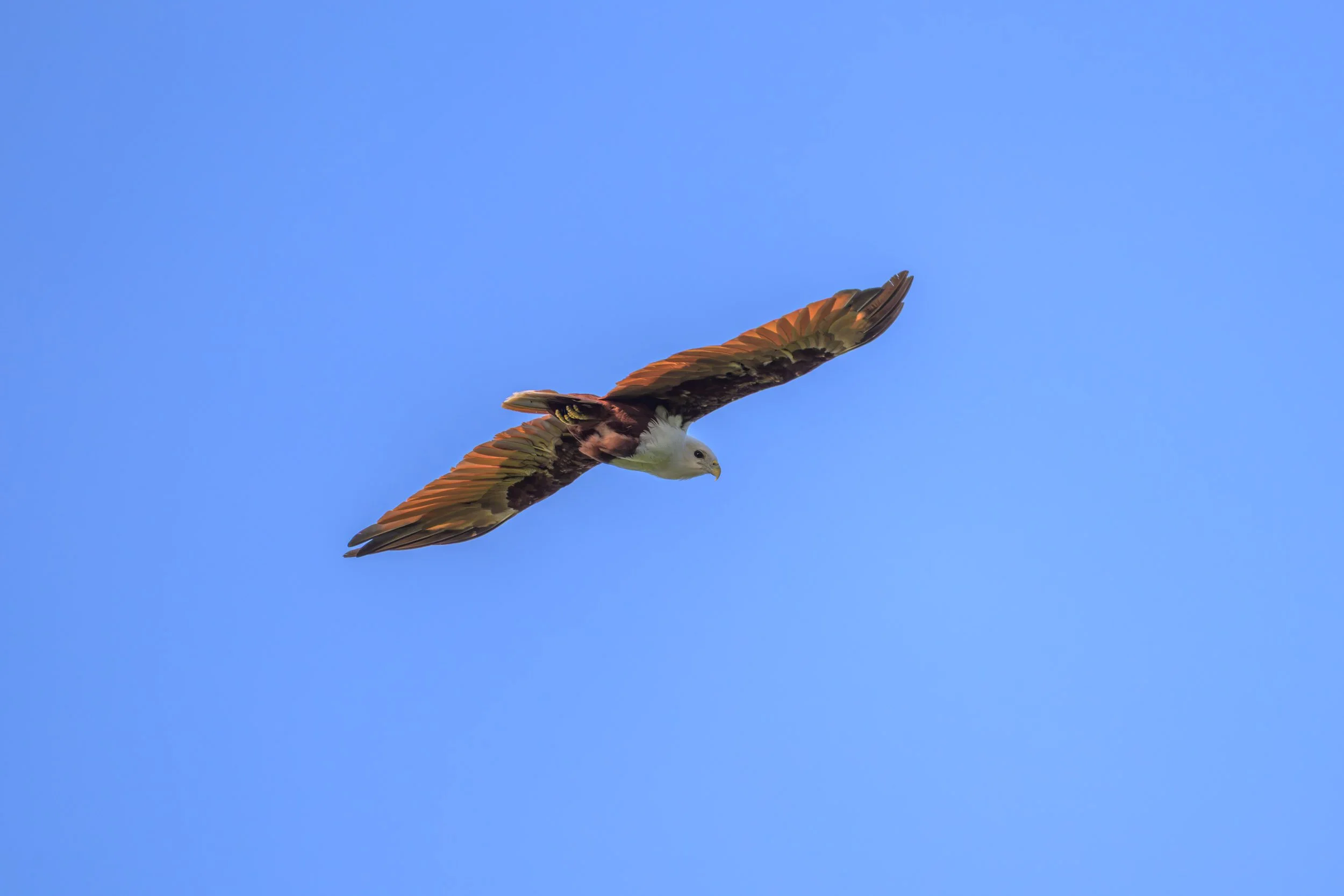
An adult Brahminy Kite (Haliastur indus girrenera) in flight over Mussau Island, Papua New Guinea.
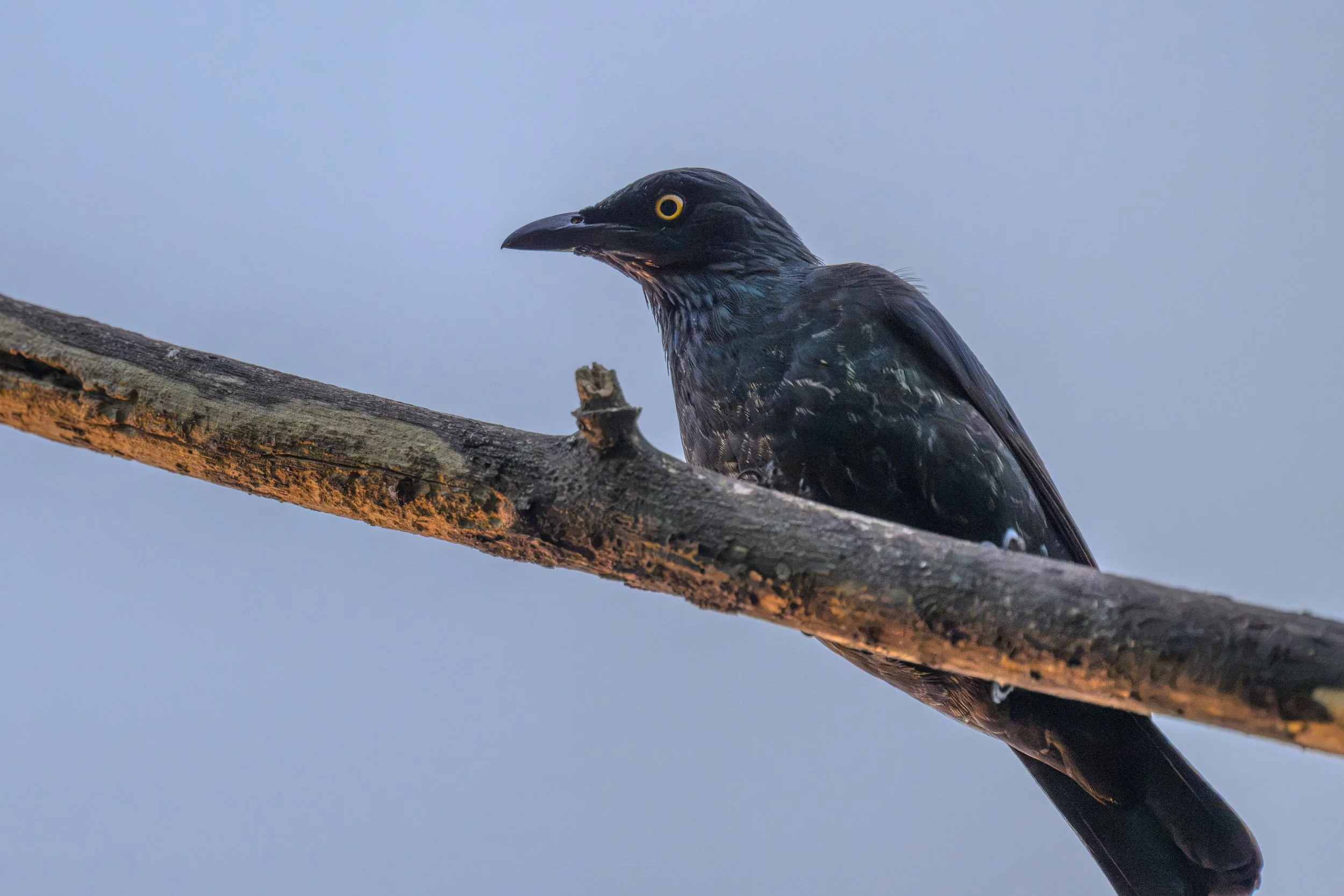
Atoll Starlings(Aplonis feadensis heureka) on Tench Island within the Murat Marine Protected Area, Papua New Guinea. The species is listed as Near Threatened on the IUCN Red List.
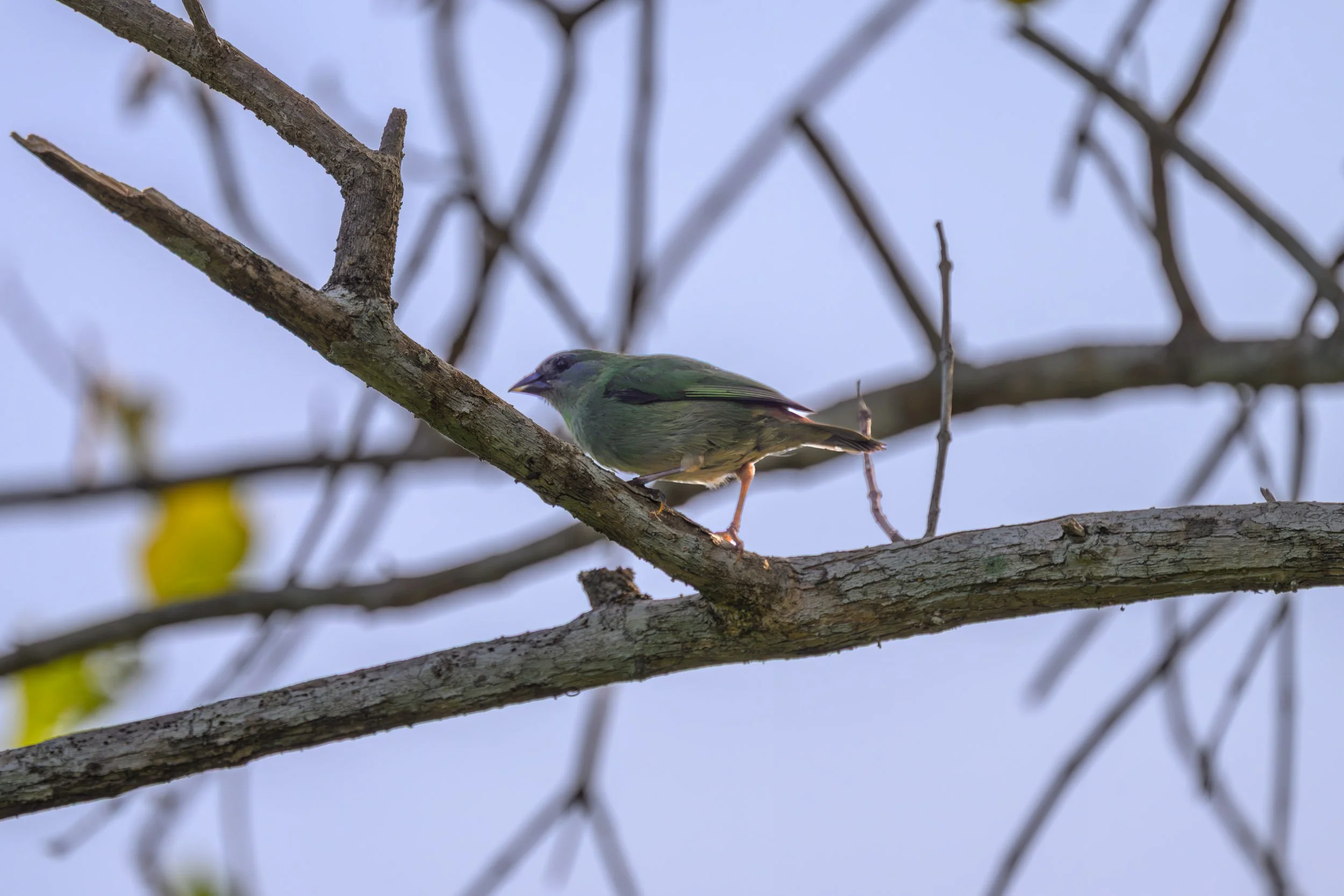
A female Blue-faced Parrotfinch (Erythrura trichroa eichhorni) perched on Mussau Island, Papua New Guinea. This subspecies is restricted to Mussau and Emirau.
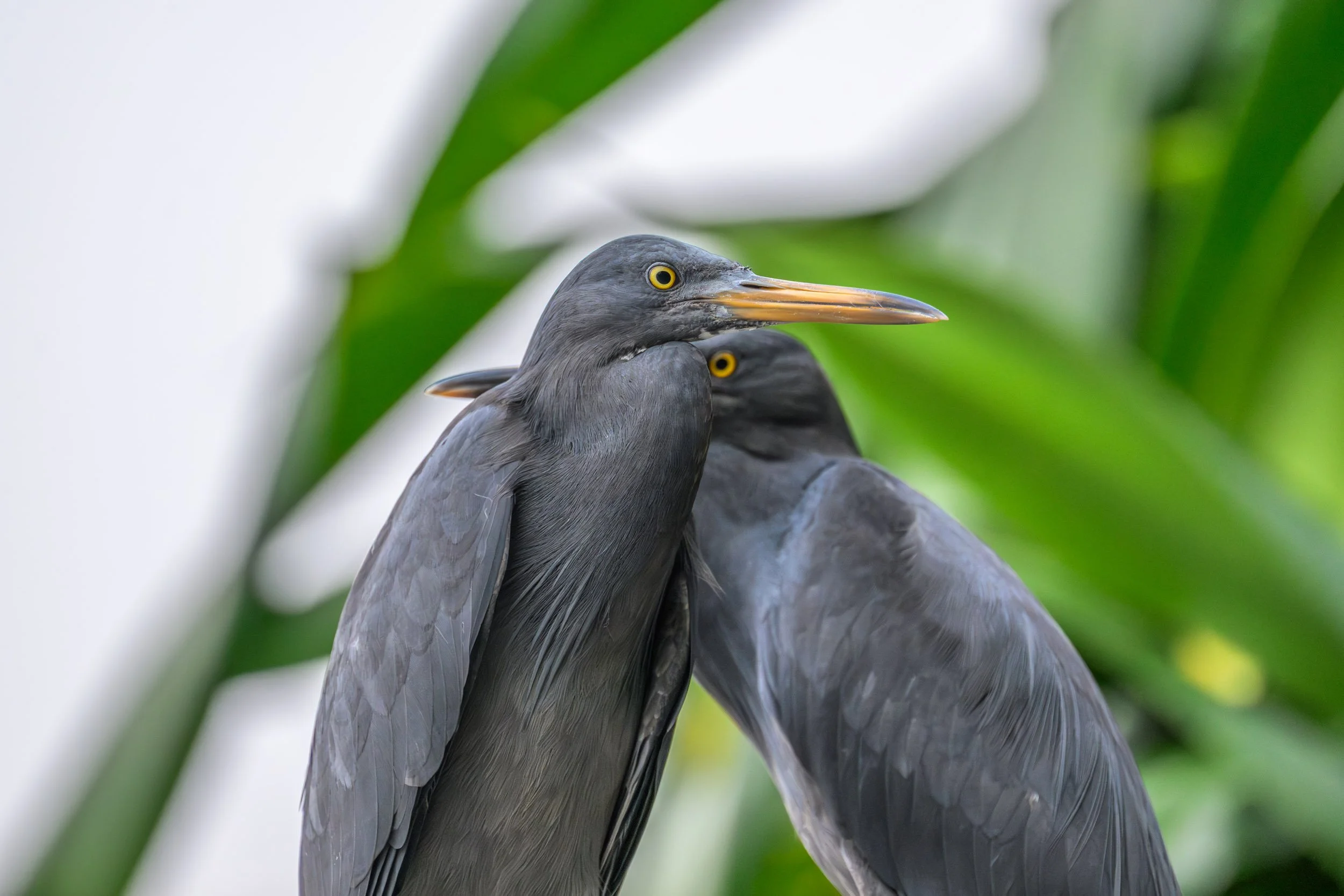
Two Pacific Reef-Herons (Egretta sacra) photographed near Kavieng, New Ireland, Papua New Guinea.
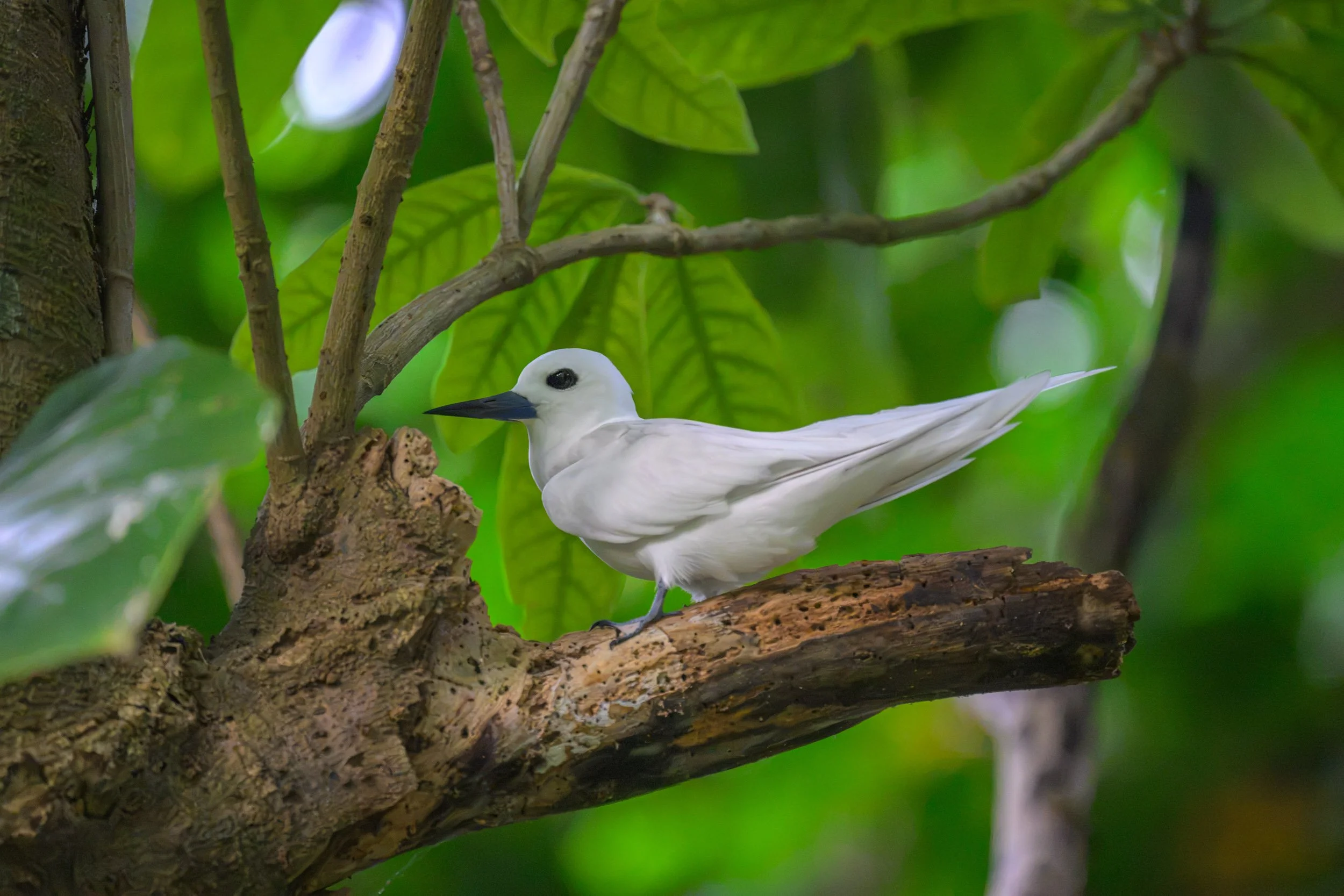
A Blue-billed White-Tern (Gygis candida) resting on a branch on Tench Island within the Murat Marine Protected Area, Papua New Guinea.
Papua New Guinea’s remote forests still hold many scientific mysteries. During an assignment in Pomio, one unexpected encounter resulted in the first known photograph of a living New Britain Goshawk—a species that had been listed among the world’s “lost birds” and had no visually confirmed record for 55 years.
THE FIRST KNOWN PHOTOGRAPH
The New Britain Goshawk
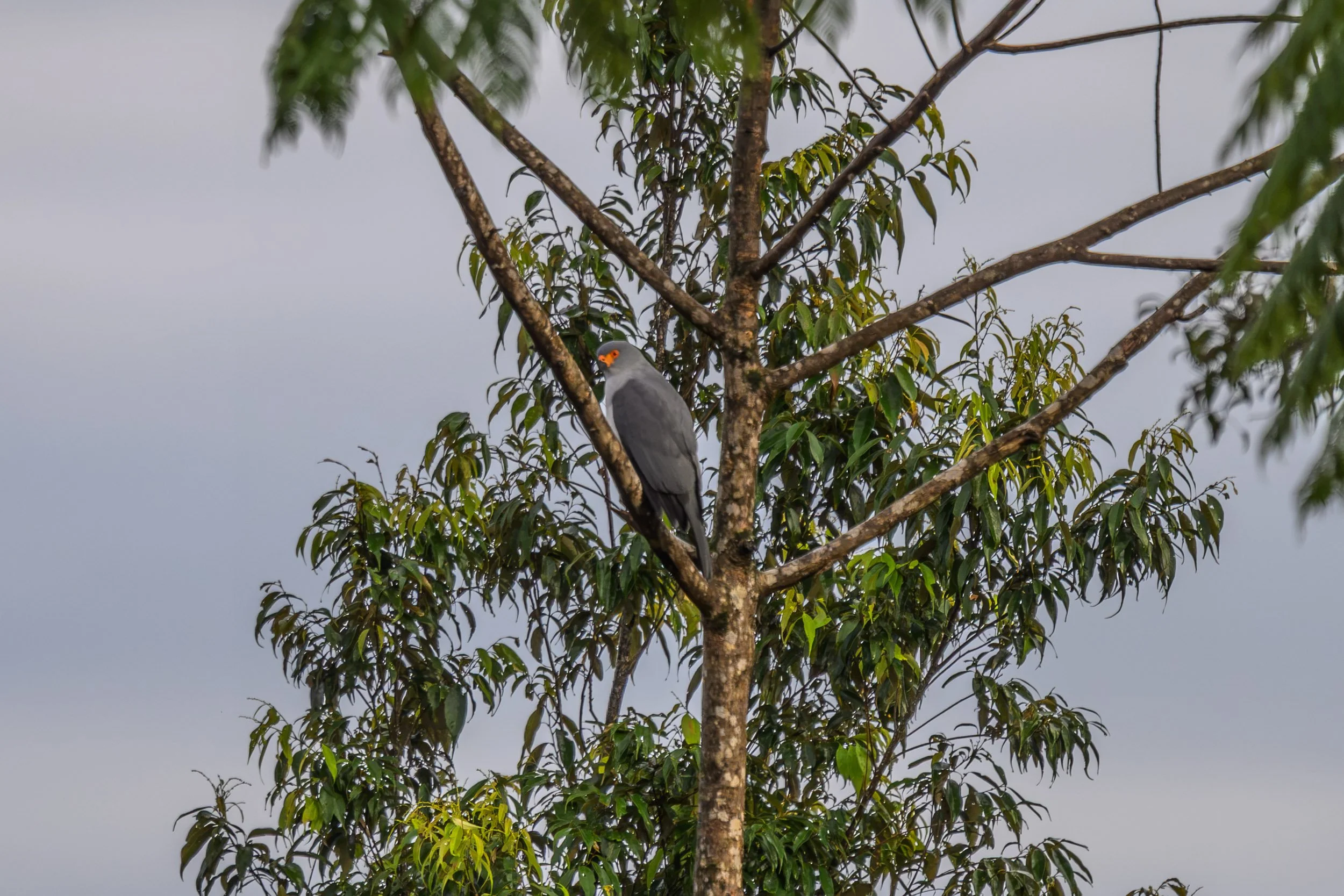
In March 2024, while on a two-week assignment with WWF-Pacific in Pomio, I photographed an unfamiliar raptor perched high in the rainforest of the Nakanai Ranges. I did not realise at the time that the photograph would become the first known image of a living New Britain Goshawk (Tachyspiza princeps) and the first visually confirmed record of the species in 55 years.
Found only on New Britain, the goshawk had been included among the world’s “lost birds” because no photograph, video or audio recording had ever confirmed its continued survival. The discovery provided new evidence of the species’ presence and highlighted the importance of protecting New Britain’s remaining forests.
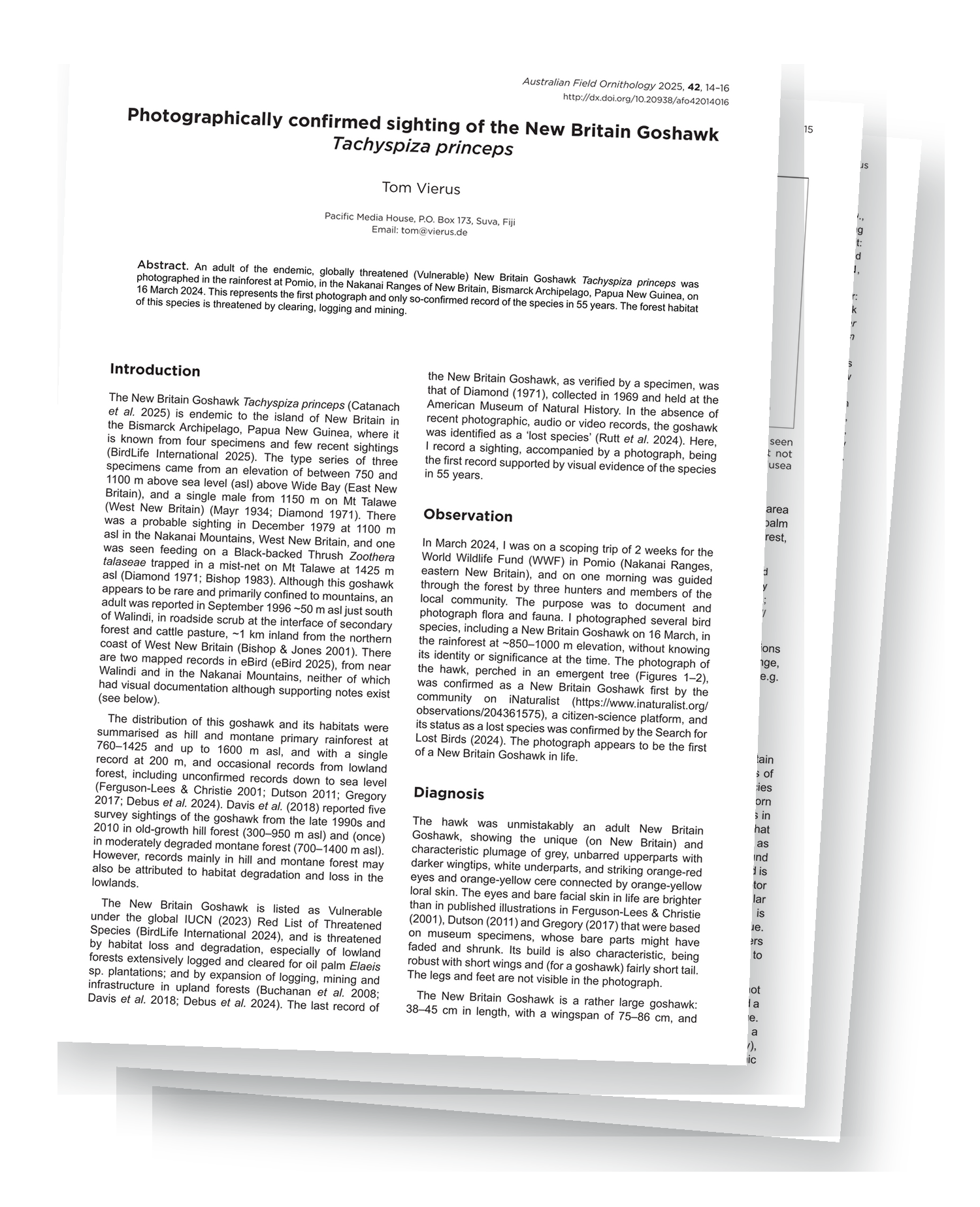
The observation was subsequently documented in a scientific paper published in Australian Field Ornithology.
THE POMIO EXPEDITIONS
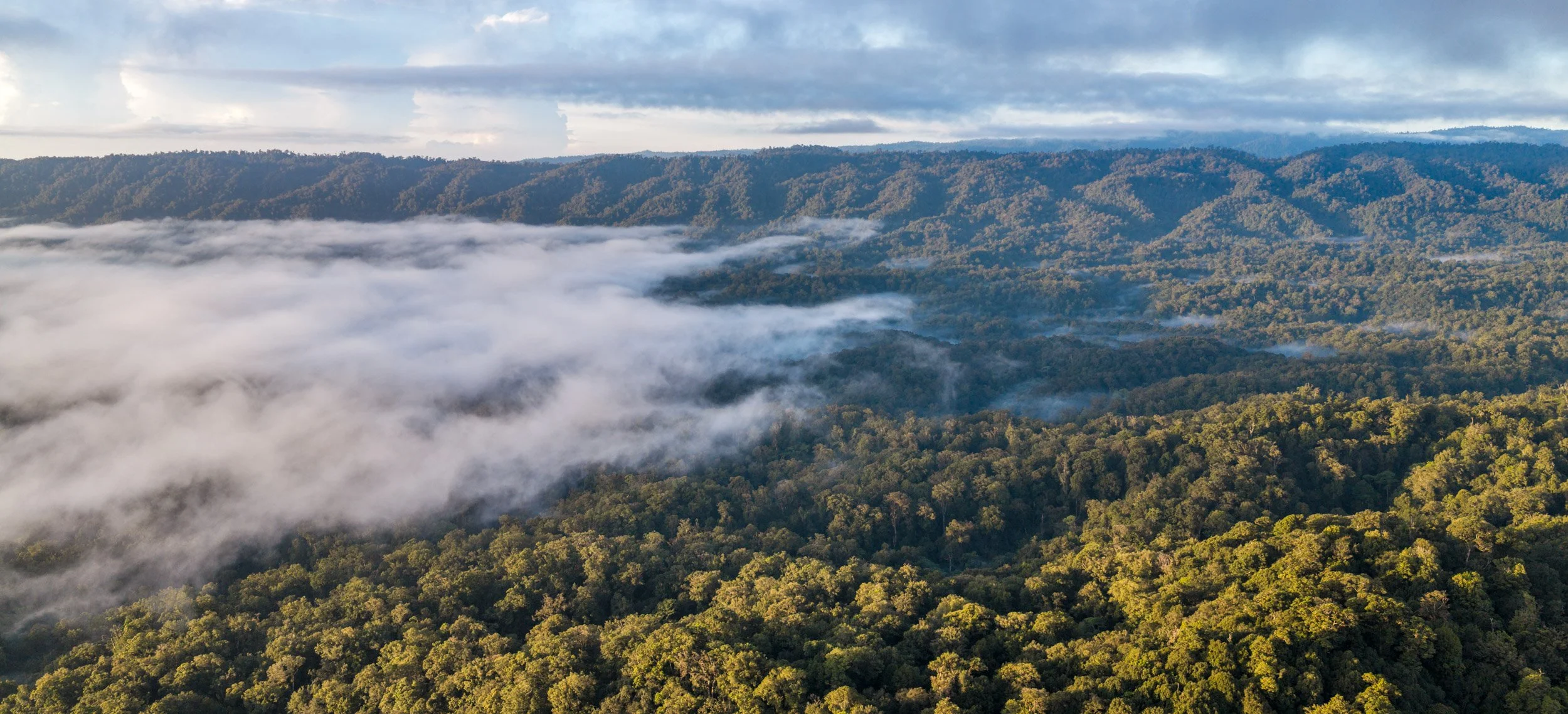
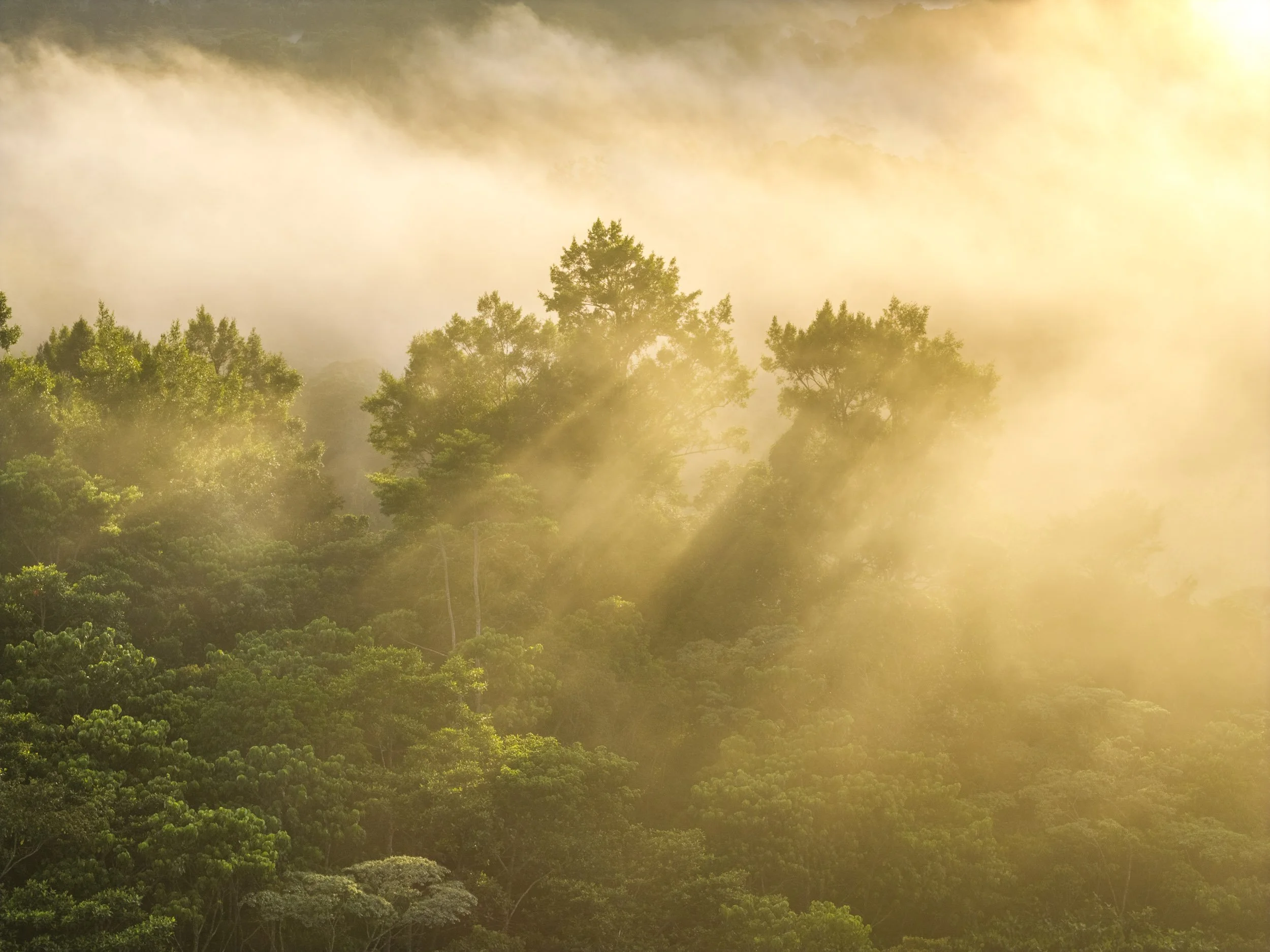
Across several assignments with WWF-Pacific and WWF-Papua New Guinea, I travelled through Pomio District in East New Britain to document community-led efforts to protect the region’s forests and extraordinary biodiversity.
Working alongside local communities and guides, we travelled through remote rainforest, recorded wildlife and produced photographs and films exploring the close connections between people, culture and the natural environment. These expeditions produced much of my New Britain bird archive and ultimately led to the first known photograph of the New Britain Goshawk.
On assignment with the Wildlife Conservation Society and WCS Ocean, I travelled by sea through New Ireland and some of Papua New Guinea’s most remote northern islands. The journey took us from New Ireland and New Hanover to Mussau, Emirau and Tench Island, documenting coastal communities, marine environments and people’s close relationship with the ocean.
Travelling between these widely separated islands also offered rare opportunities to photograph their birdlife. On Tench Island, this included Black Noddies nesting in the coastal vegetation—one example of the important habitats these isolated islands provide for both resident birds and seabirds.
THE NORTHERN ISLANDS EXPEDITION
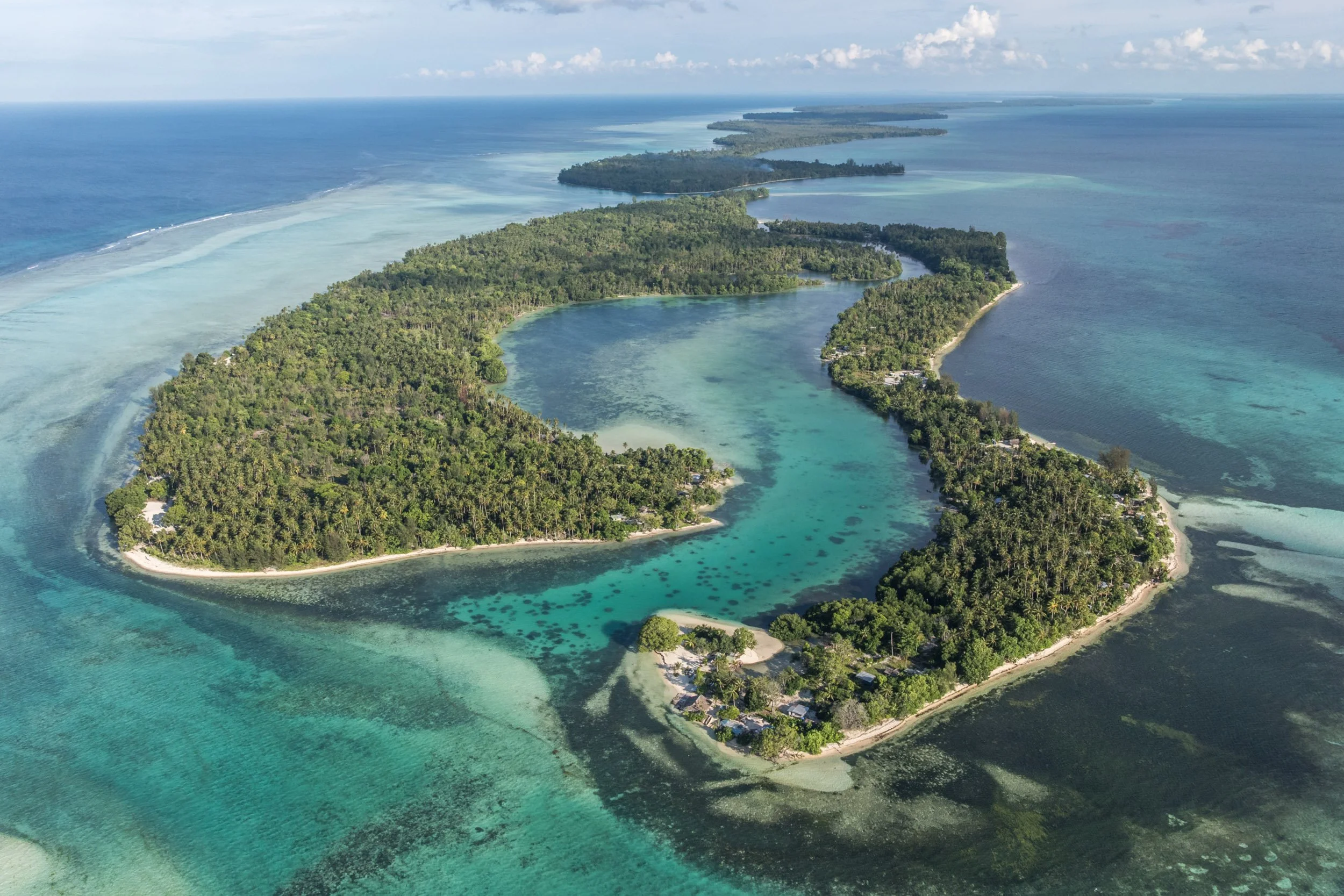
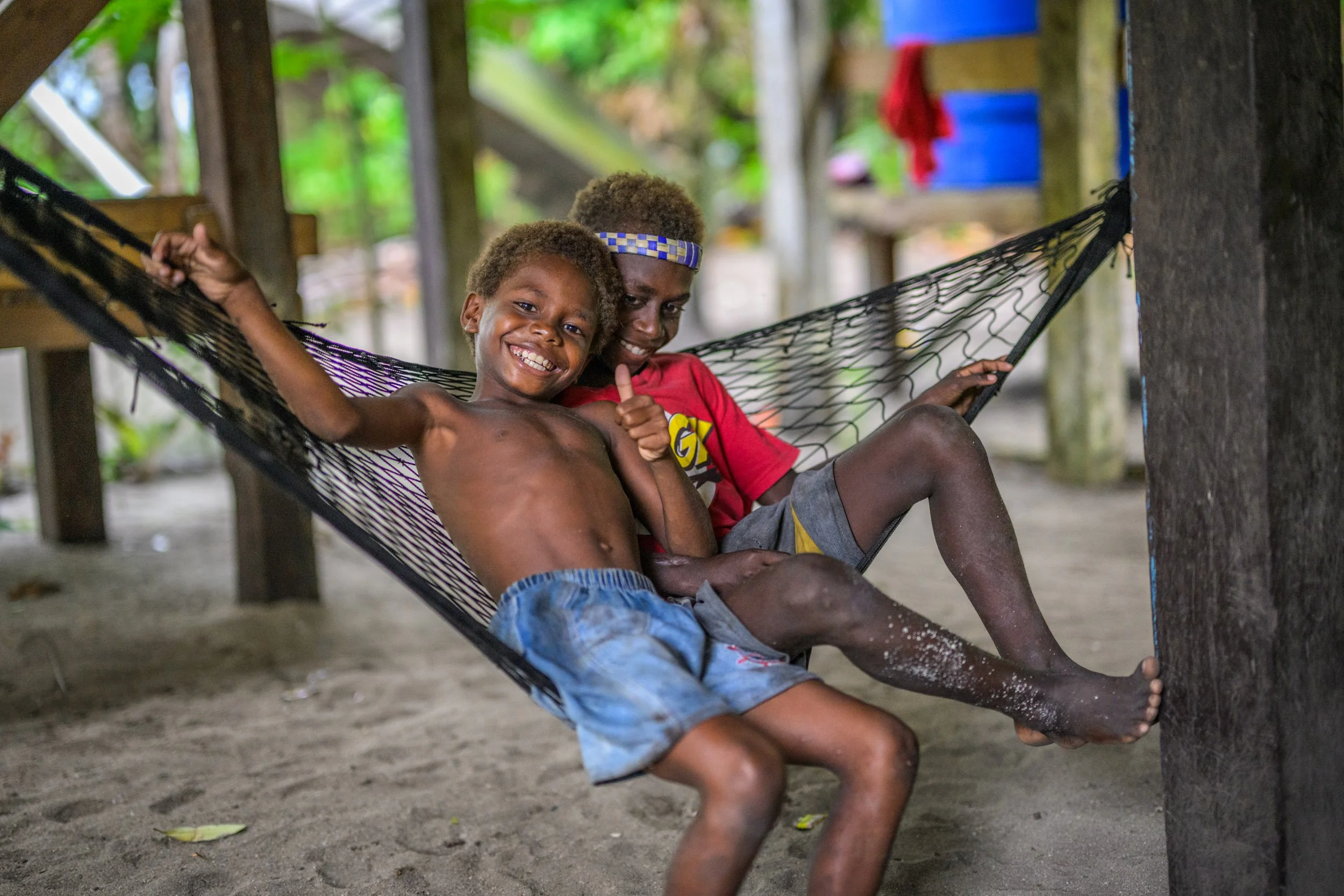
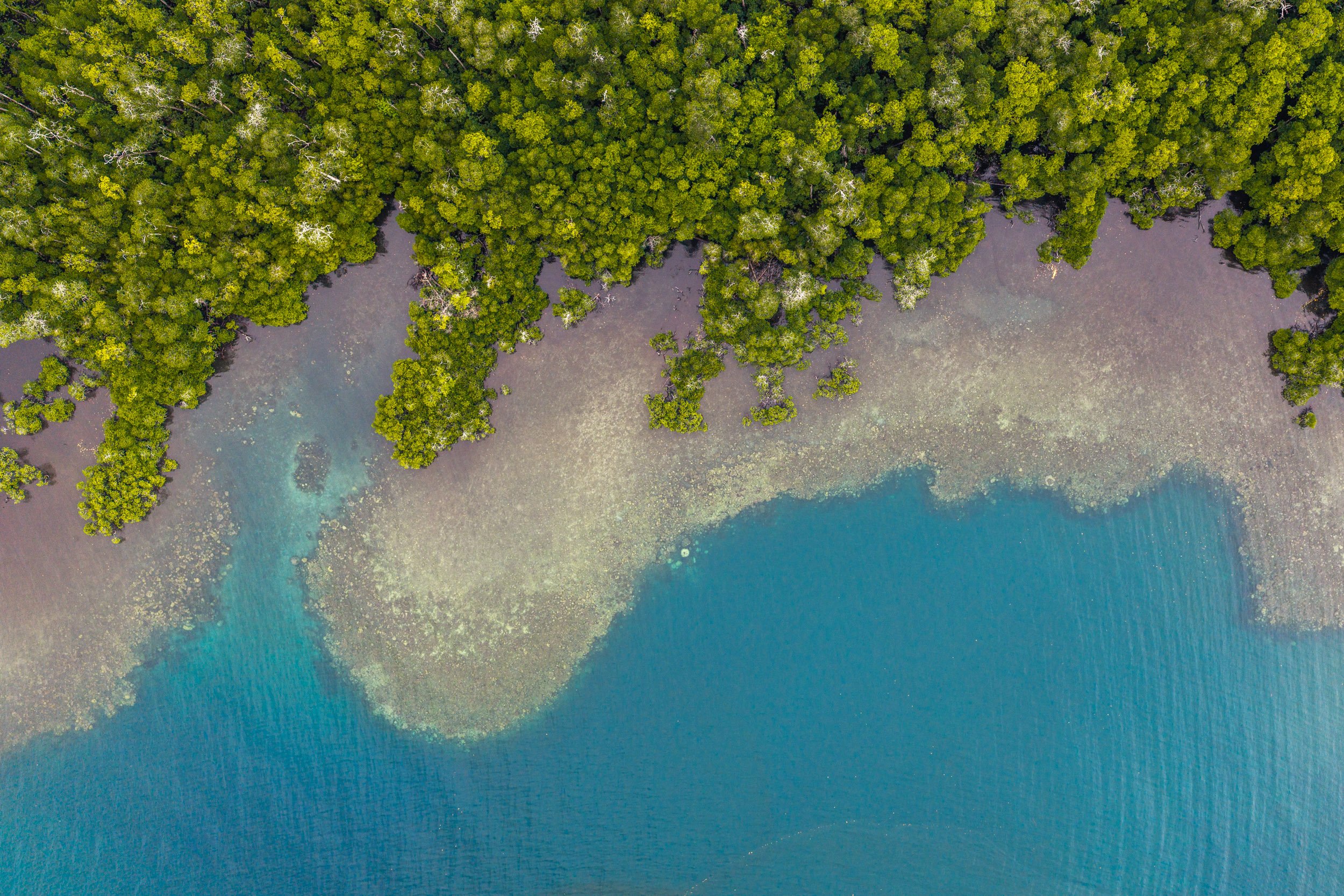
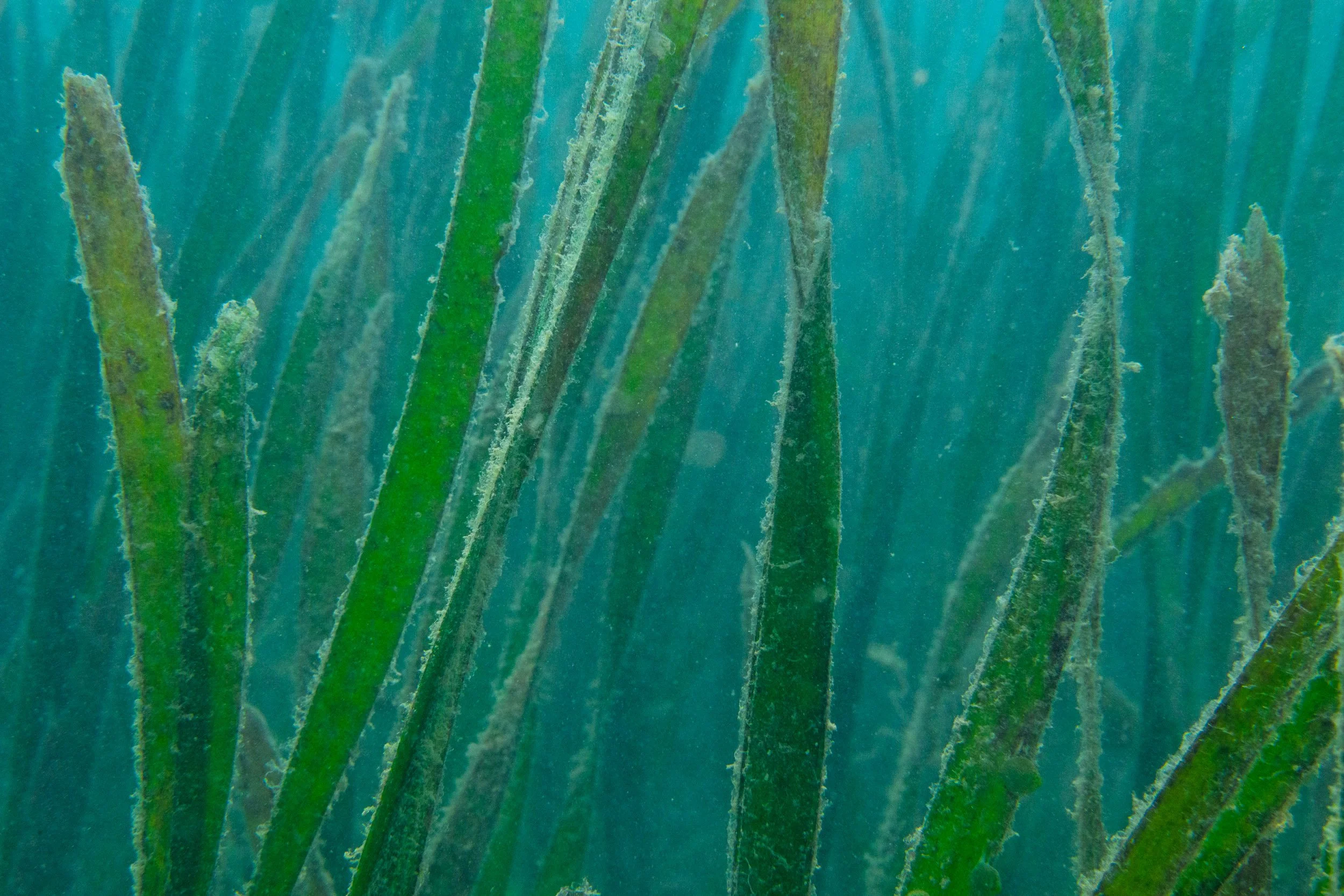
In early 2026, I travelled to Kavieng in New Ireland Province on a separate assignment for GIZ Pacific. Produced under the MACBLUE project, the film documented the close relationship between coastal communities and the mangrove forests and seagrass meadows surrounding the region’s islands and villages.
Working alongside local communities and conservation partners, I filmed on land, underwater and from the air, exploring how traditional knowledge, scientific research and community-led management are helping protect these vital coastal ecosystems. The assignment also allowed me to add further photographs of New Ireland’s birdlife to this growing collection.
LIVING BY THE SEA: MANGROVES AND SEAGRASS IN KAVIENG